Formula 1’s arrival in Miami has transformed the city into a high-yield economic engine, generating billions in direct spending and reshaping local investment strategies. The race, held at the Hard Rock Stadium in Miami Gardens, demonstrates how a single sporting event can drive substantial growth in hospitality, real estate, and brand valuation. This development marks a strategic shift for the sport, moving beyond traditional European strongholds to capture lucrative North American markets.
Direct Economic Impact on Miami
The financial footprint of the Miami Grand Prix extends far beyond the track, injecting vital capital into the local economy. According to data from the Miami-Dade County government, the 2023 race generated approximately $600 million in direct spending. This figure includes expenditures on accommodation, dining, transportation, and retail, benefiting thousands of small businesses across the metropolitan area. The influx of over 250,000 spectators created a surge in demand that local service providers were eager to capitalize on.
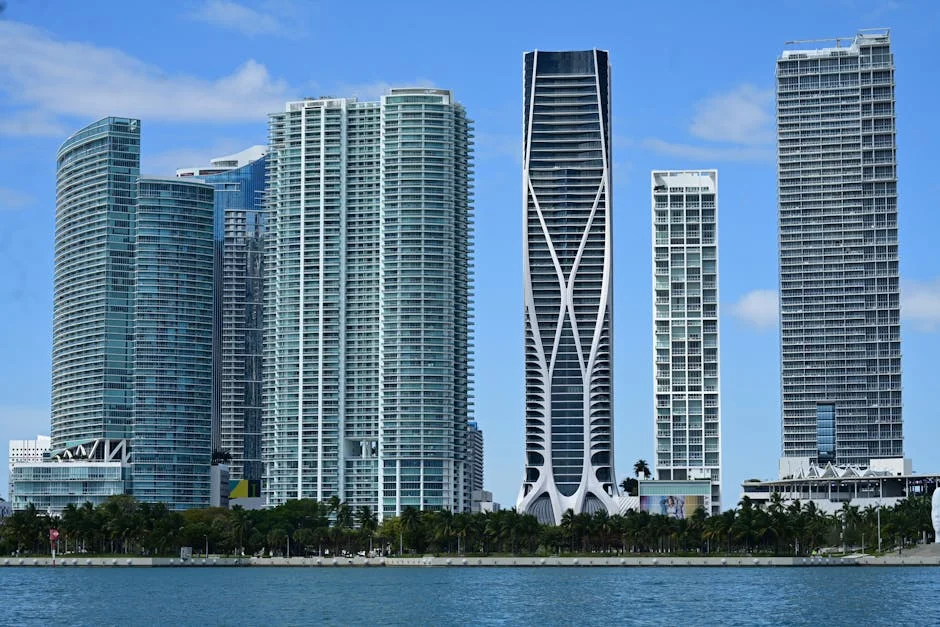
Real estate values in proximity to the Hard Rock Stadium have seen a marked increase, reflecting the premium placed on accessibility to the event. Property developers in Miami Gardens and surrounding neighborhoods are now marketing units with "F1-ready" amenities, such as private viewing decks and proximity to transit hubs. This trend signals a long-term appreciation in asset values, attracting both domestic and international investors looking for stable returns in the South Florida market. The race has effectively become an annual economic catalyst for the region.
Hospitality and Retail Surge
Hotels in the Miami area reported near-capacity occupancy rates during race week, with average daily room rates climbing significantly above seasonal norms. Luxury brands in Brickell and Downtown Miami experienced a spike in foot traffic, as attendees sought high-end shopping and dining experiences. Retailers noted that the demographic of F1 fans tends to have higher disposable income, leading to increased average transaction values. This specific consumer behavior makes the Grand Prix a highly targeted marketing opportunity for local merchants.
The hospitality sector also benefited from extended stays, with many visitors arriving days before the race to maximize their experience. Restaurants and bars introduced special menus and events, creating a festive atmosphere that extended the economic impact over a longer period. This prolonged engagement helps smooth out seasonal fluctuations in tourism revenue, providing a more stable income stream for hospitality businesses. The success of this model encourages other cities to consider hosting similar high-profile sporting events.
Investment Perspective for Brands and Sponsors


For global brands, the Miami Grand Prix offers a unique platform to reach affluent consumers in a vibrant market. Sponsorship deals have become increasingly competitive, with companies willing to pay premium prices for visibility on the track and in the media coverage. The race attracts a diverse audience, including celebrities, business leaders, and sports enthusiasts, making it an ideal setting for brand activation. This exposure translates into tangible marketing returns, justifying the investment for companies seeking to strengthen their presence in the United States.
Investors in the Formula 1 franchise have seen their assets appreciate as the sport expands its global footprint. The addition of Miami to the calendar enhances the league's revenue streams through broadcasting rights, merchandise sales, and ticketing. This growth potential makes F1 an attractive investment opportunity for those looking for exposure to the sports entertainment sector. The success in Miami validates the strategy of targeting key urban centers with strong economic indicators and high consumer spending power.
Market Dynamics and Business Implications
The economic benefits of the Miami Grand Prix are not limited to the immediate event days but extend to the broader market dynamics. Local businesses report increased brand awareness and customer loyalty following the race, as attendees associate positive experiences with local offerings. This effect can lead to sustained growth in sales and market share for participating companies. The race also stimulates competition among service providers, driving improvements in quality and innovation to attract future visitors. This competitive pressure benefits consumers and enhances the overall economic vitality of the region.
Furthermore, the event has influenced labor markets in Miami, with temporary hiring spikes creating job opportunities for thousands of residents. These jobs range from hospitality roles to logistics and security, providing income boosts for local workers. The influx of workers also increases demand for housing and services, further stimulating the local economy. This multiplier effect demonstrates how a single event can have wide-reaching economic implications, touching multiple sectors and demographics. The success of Miami's model provides a blueprint for other cities aiming to leverage major sporting events for economic gain.
What to Watch Next
As the Formula 1 calendar continues to expand, investors and businesses should monitor the performance metrics of the Miami Grand Prix in subsequent years. Key indicators to watch include changes in sponsorship valuations, real estate price trends, and tourism revenue figures. The upcoming announcement of new teams entering the Miami market will also provide insights into the long-term economic potential of the region. Staying informed about these developments will help stakeholders make strategic decisions and capitalize on the growing economic opportunities presented by the race. The next major milestone will be the release of the official economic impact report for the 2024 season, which will offer detailed data on the race's financial contributions.
Key indicators to watch include changes in sponsorship valuations, real estate price trends, and tourism revenue figures. The success in Miami validates the strategy of targeting key urban centers with strong economic indicators and high consumer spending power.