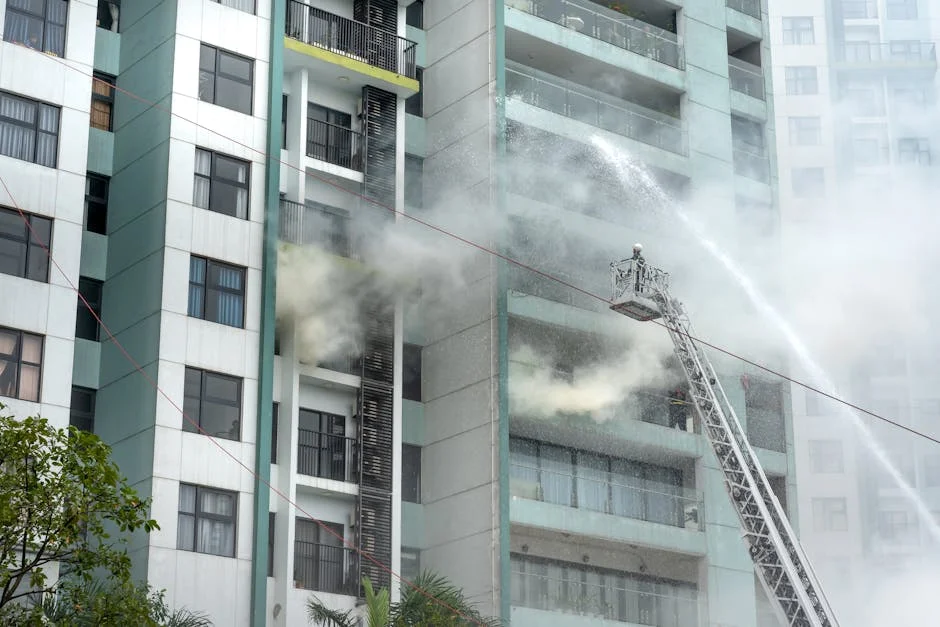
A massive fire at a building in Vivek Vihar, East Delhi, has claimed at least nine lives, sending shockwaves through local business communities and raising urgent questions about commercial property safety standards. The incident, which broke out on Sunday, has triggered an immediate response from emergency services and local authorities who are now scrambling to contain the blaze and assess the structural integrity of surrounding infrastructure. This tragedy is not merely a local humanitarian crisis; it represents a significant event for investors and businesses operating in the National Capital Region, highlighting latent risks in the rapidly expanding commercial real estate sector.
Immediate Economic Fallout and Business Disruption
The economic implications of the Vivek Vihar fire extend far beyond the immediate vicinity of the blaze. For small and medium-sized enterprises (SMEs) located in East Delhi, the disruption is already tangible. Supply chains that rely on the efficiency of this corridor may face delays, particularly if road closures persist into the working week. Local businesses report a tentative start to Monday, with employees hesitant to return to offices that have suddenly been perceived as vulnerable. This hesitation can lead to a short-term dip in productivity, a metric that investors closely monitor in emerging markets like India.
Insurance companies are already bracing for a surge in claims. The fire has exposed potential gaps in coverage for commercial properties in older buildings that may not have undergone recent appraisals. Policyholders in the area are likely to review their deductibles and coverage limits, potentially driving up premiums in the East Delhi region. For insurers, this event underscores the need for more granular risk assessment models that account for aging infrastructure in high-density urban areas. The financial sector must now factor in these localized risks when evaluating the stability of the Indian insurance market.
Impact on Local Real Estate Values
Real estate investors are watching this development with keen interest. Properties in Vivek Vihar and the broader East Delhi area may experience a temporary correction in value as buyers demand greater safety assurances. Developers who have marketed their projects based on proximity to this commercial hub may need to adjust their pricing strategies or offer enhanced safety features to maintain competitiveness. The perception of safety is a critical component of real estate valuation, and any incident that challenges this perception can have lasting effects on market sentiment. Investors should expect increased due diligence from buyers who are now more aware of the potential vulnerabilities in commercial buildings.
Regulatory Response and Compliance Costs


In the wake of the tragedy, the Delhi Government is likely to announce stricter enforcement of fire safety regulations. This regulatory shift will have direct economic consequences for property owners and businesses. Compliance costs are expected to rise as building owners invest in upgraded fire suppression systems, emergency exits, and regular safety drills. For small businesses, these additional expenses may squeeze profit margins, forcing some to absorb the costs or pass them on to consumers. The Ministry of Housing and Urban Affairs may also introduce new guidelines that could affect the broader real estate market in India, setting a precedent for other major cities.
The potential for increased regulatory scrutiny creates both challenges and opportunities. While compliance costs may rise, companies that proactively adopt higher safety standards may gain a competitive advantage. Investors who identify businesses with robust safety protocols may find them more resilient to future disruptions. This dynamic encourages a market correction where safety becomes a key differentiator, influencing investment decisions and consumer choices. The regulatory environment in East Delhi is thus becoming a critical factor in the economic calculus for businesses operating in the region.
Investor Sentiment and Market Volatility
Financial markets are sensitive to news that highlights structural risks in key economic zones. The Vivek Vihar fire has introduced a degree of uncertainty into the local economy, which can translate into short-term volatility for stocks of companies with significant exposure to East Delhi. Investors may adopt a wait-and-see approach, holding off on new capital expenditures until the full extent of the damage and the regulatory response are clearer. This caution can slow down investment flows into the region, affecting everything from retail expansion to industrial development.
However, the impact on the broader Indian economy is likely to be contained, given the diversified nature of the market. The incident serves as a reminder of the importance of risk management in emerging markets, where rapid urbanization can sometimes outpace infrastructure development. For foreign investors, this event highlights the need for thorough on-the-ground due diligence. Understanding local risks, such as fire safety standards in commercial buildings, is crucial for making informed investment decisions. The market will likely stabilize once the immediate shock wears off, but the long-term implications for safety standards will remain a key consideration.
What to Watch: Next Steps for Markets and Businesses
Investors and business leaders should closely monitor the official inquiry into the cause of the fire, as the findings will dictate the pace and scope of regulatory changes. The release of the preliminary report by the Delhi Fire Service will provide critical insights into whether the incident was an isolated event or part of a broader trend of safety lapses. Additionally, keep an eye on announcements from major insurance providers regarding premium adjustments for commercial properties in East Delhi. These developments will offer early signals of how the market is pricing in the new risk landscape. Finally, watch for any legislative proposals from the Delhi Government aimed at strengthening building codes, as these could reshape the real estate investment thesis for the region in the coming quarters.
See Also
- Colombia's La Casa de los Famosos Sparks Economic Concerns
- Portugal's Financial Literacy Crisis Sparks Market Concerns
Investor Sentiment and Market Volatility Financial markets are sensitive to news that highlights structural risks in key economic zones. The incident serves as a reminder of the importance of risk management in emerging markets, where rapid urbanization can sometimes outpace infrastructure development.