Punjab Chief Minister Bhagwant Singh Mann announced a 15 percent increase in minimum wages for the state's working class on Labour Day. This decision directly impacts the cost structures of small and medium enterprises across the region. Investors are now assessing how this wage hike will influence local inflation and consumer spending.
Immediate Impact on Local Businesses
The announcement comes at a critical time for Punjab’s economy, which relies heavily on agriculture and small-scale manufacturing. A 15 percent jump in the minimum wage is one of the largest adjustments in recent years. This move forces business owners to recalibrate their operational budgets immediately.
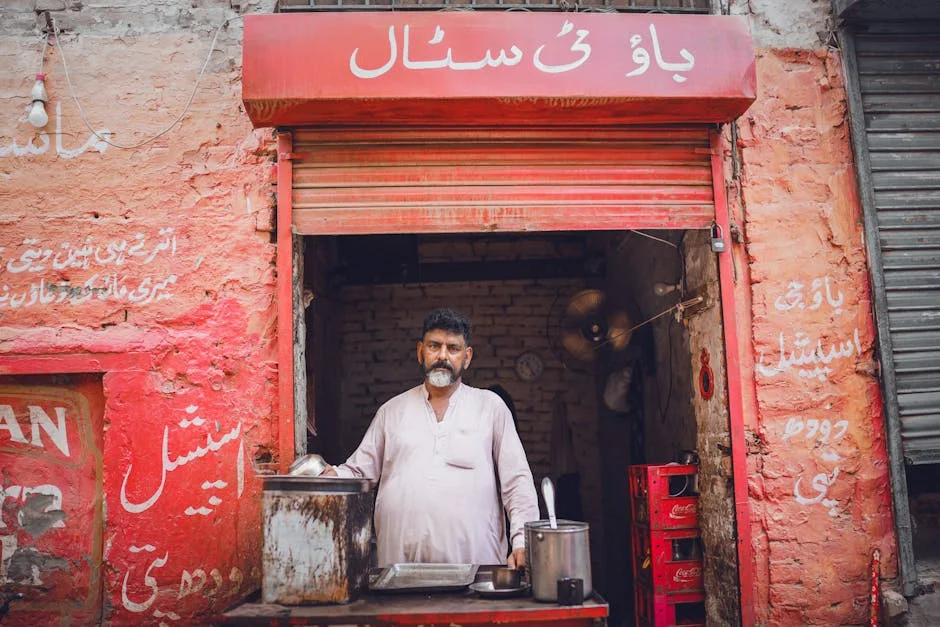
Small business owners in cities like Amritsar and Ludhiana are already feeling the pressure. Many operate on thin margins, and a sudden increase in labour costs can be difficult to absorb. Some may pass these costs onto consumers, potentially driving up prices for everyday goods and services.
However, the government argues that higher wages will boost disposable income. This could lead to increased consumer spending, which might offset the initial cost burden for businesses. The net effect on the local economy will depend on how quickly this spending translates into revenue for companies.
Broader Economic Implications


This wage increase is part of a broader strategy by the Punjab government to improve the living standards of the working class. Bhagwant Singh Mann has positioned himself as a champion of the common man, and this policy aligns with his political agenda. The move also sends a signal to other states about the direction of labour policy in India.
For investors, this development highlights the growing importance of labour costs in emerging markets. As wages rise, the competitive advantage of low-cost labour in regions like Punjab may diminish. This could influence where multinational companies choose to locate their manufacturing facilities.
The increase in minimum wages also affects the Dearness Allowance (DA) for government employees and pensioners. This component of salary adjusts for inflation, and a rise in the base wage can have a cascading effect on the DA. This means the government’s fiscal outlay for salaries will also increase, impacting the state’s budget.
Impact on Different Sectors
The manufacturing sector is likely to be the most affected by this wage hike. Factories in Punjab employ thousands of workers, and a 15 percent increase in wages will significantly impact their bottom line. Textile mills, in particular, may face higher costs, which could affect their competitiveness in the global market.
The agricultural sector may also see changes in labour dynamics. With higher minimum wages, farmers may need to adjust their hiring strategies. Some may invest in machinery to reduce their reliance on manual labour, while others may face higher costs for seasonal workers.
Service industries, including hospitality and retail, will also need to adjust. These sectors often rely on a large workforce, and wage increases can quickly add up. Businesses in these sectors may need to raise prices or improve efficiency to maintain profitability.
Investor Perspective and Market Reaction
Investors are closely watching how this policy will play out in the months ahead. The stock markets in India may see some volatility as investors reassess the profitability of companies with significant exposure to the Punjab region. Companies that can easily pass on costs to consumers may fare better than those with sticky prices.
The bond market may also react to the increased fiscal pressure on the Punjab government. Higher wage bills mean more spending, which could lead to increased borrowing. This might affect the credit rating of the state and the yields on its bonds.
For foreign investors, this development underscores the need for a nuanced understanding of local labour policies. What seems like a simple wage hike can have complex ripple effects on the economy. Investors who can anticipate these changes will be better positioned to capitalize on opportunities.
What to Watch Next
The coming months will be crucial in determining the true impact of this wage increase. Economists will be looking for signs of inflation, changes in employment levels, and shifts in consumer spending. The Punjab government will also need to monitor the fiscal impact and adjust its budget accordingly.
Businesses will need to adapt to the new cost structure. This may involve investing in technology, retraining workers, or adjusting pricing strategies. Those that can adapt quickly will be better positioned to thrive in the new economic landscape.
Investors should keep a close eye on the quarterly earnings reports of companies with significant operations in Punjab. These reports will provide valuable insights into how the wage hike is affecting profitability. Additionally, monitoring the state’s fiscal data will help assess the broader economic impact.
The Labour Day announcement is just the beginning. The real test will be how well the Punjab economy can absorb and adapt to these changes. Stakeholders across the region will need to remain agile and responsive to the evolving economic conditions.
The stock markets in India may see some volatility as investors reassess the profitability of companies with significant exposure to the Punjab region. What to Watch Next The coming months will be crucial in determining the true impact of this wage increase.