Nigeria has announced a ban on wheat imports, a move that has sent shockwaves through the agricultural sector and exacerbated existing inflationary pressures. The decision, made public on May 1, 2026, comes amid a deepening currency crisis that has seen the Naira lose over 30% of its value in the past six months.
Understanding the Wheat Crisis
The ban is expected to have immediate repercussions for local bakeries and food manufacturers, particularly in Lagos, where wheat-based products are staples. According to the National Bureau of Statistics, Nigeria imported about $1.5 billion worth of wheat in 2025, making it one of the largest importers in Africa.
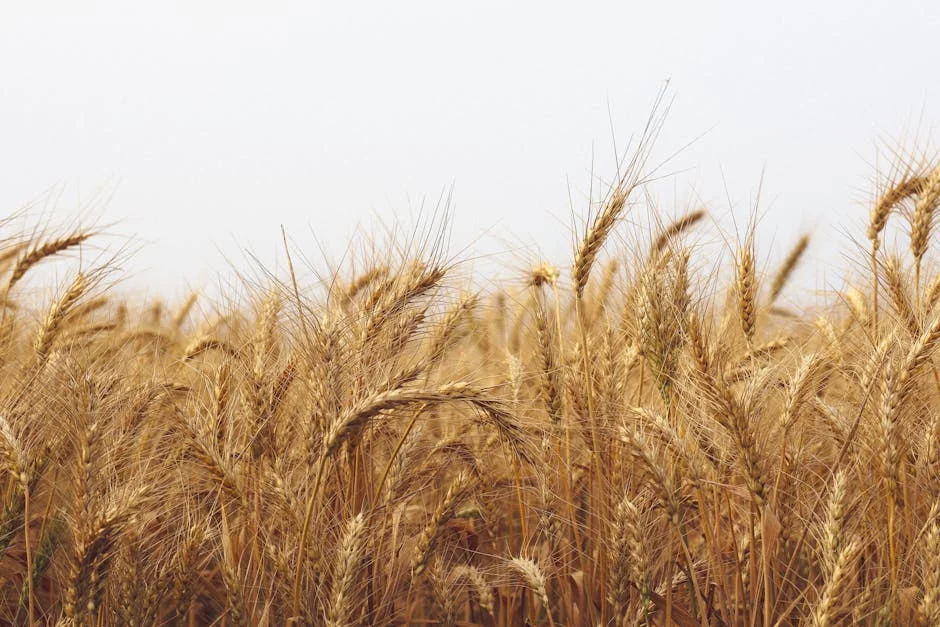
As a result of the import ban, prices for flour have already jumped by 20%, pushing the cost of bread and pastries significantly higher. This inflationary spike is compounded by a supply chain that has been under severe strain since the onset of the economic downturn.
Market Reactions and Investor Concerns


Investors are reacting with caution to the news, as the agricultural sector has been a critical component of Nigeria’s economy. Analysts from the Lagos-based financial firm, Afrinvest, predict that the ban could lead to a further decline in consumer spending as households grapple with rising food costs.
Moreover, the Naira's depreciation has made imported goods even more expensive, creating a cycle of inflation that could deter foreign investment. Many investors are now reassessing their positions in Nigerian equities, particularly in the consumer goods sector.
Implications for Businesses and the Economy
Local businesses, particularly those reliant on wheat imports, face significant challenges. The ban not only disrupts current supply chains but also raises questions about the long-term viability of local production. Farmers and millers may struggle to meet the increasing demand for flour as they ramp up production.
Additionally, the government’s decision could force companies to reconsider their operational strategies, with some potentially relocating to neighbouring countries where import regulations are less stringent. This could lead to job losses and a decline in economic activity in Nigeria.
What To Watch Next
The government has indicated that it will support local farmers through subsidies and training programmes to boost domestic wheat production. However, the success of these initiatives remains to be seen. Stakeholders will be keeping a close eye on the measures announced in the upcoming economic policy review scheduled for June 2026.
As the situation develops, businesses and investors will need to navigate the uncertain landscape created by the ban and its cascading effects on the economy.
See Also
- Lamine Yamal's Ramadan Steps Spark Market Speculation in SG
- Eva Liberdad's Surda Wins Lux Prize 2026 at European Parliament