A tragic incident unfolded in Malappuram, India, where a plantation worker was killed by an elephant. This event, occurring on Tuesday, has raised significant safety concerns for businesses operating in the region, particularly within the plantation sector.
Malappuram's Plantation Industry Under Threat
Malappuram, a district in the southern state of Kerala, is renowned for its extensive plantations, which include rubber, tea, and spices. The recent attack has highlighted the inherent risks faced by workers, potentially impacting investor confidence in the area. The plantation industry in Kerala is a major contributor to the local economy, employing thousands of workers and attracting investment due to its rich agricultural output.
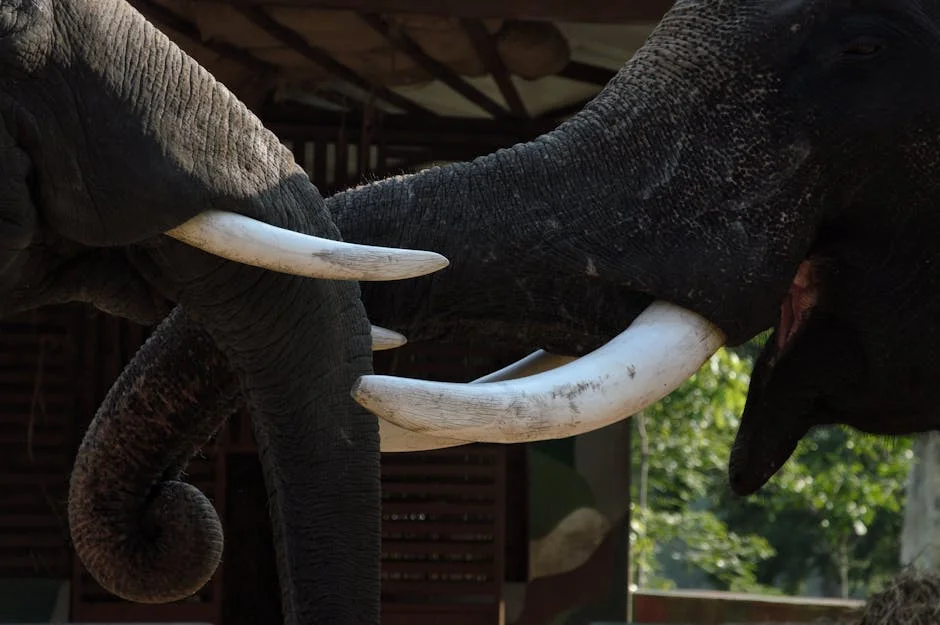
The incident has prompted local authorities to assess the safety measures in place across these plantations. The Kerala Forest Department, responsible for wildlife management, is under pressure to implement strategies that better protect both wildlife and workers. Their actions could influence future investment decisions in the region.
Economic Implications for Plantations


The economic impact of wildlife conflicts on plantations cannot be underestimated. The industry relies heavily on a stable and secure working environment to maintain productivity and attract investment. Disruptions caused by such incidents can lead to decreased output and increased operational costs.
Investors and business owners are now calling for enhanced safety protocols to prevent future tragedies. This includes potential investments in fencing, surveillance technology, and increased training for workers on how to handle wildlife encounters. The implementation of these measures could lead to short-term financial strain but may prove essential for long-term sustainability.
Investor Sentiment and Market Reaction
Following the incident, there has been a notable shift in investor sentiment regarding the plantation sector in Malappuram. Investors are increasingly wary of the risks associated with wildlife in these regions, which may deter future investments if not adequately addressed. This hesitation could lead to a decrease in capital inflow, affecting growth and expansion plans of local businesses.
Market analysts are closely monitoring the response of the local government and plantation owners to assess potential impacts on the region's economic stability. The outcome will likely influence market trends and investor confidence in the broader agricultural sector in Kerala.
Looking Ahead: Measures and Monitoring
The focus now lies on the measures that will be implemented to prevent such incidents in the future. The Kerala Forest Department is expected to release a comprehensive safety plan within the next month. This plan will be crucial in reassuring investors and restoring confidence in the plantation sector.
Stakeholders will be watching closely to see how effectively these measures are enforced. The success of these initiatives will likely determine the level of future investment in Malappuram's plantations. As the region navigates these challenges, the balance between economic growth and wildlife conservation will remain a critical consideration.