The rise of African narratives in media is taking centre stage as the continent seeks to bolster its economic sovereignty. This shift, orchestrated by organisations like African Media, is not only changing perceptions but also significantly influencing global economic dynamics. As African countries strive for a stronger voice on the global stage, the implications for markets and businesses are profound.
Driving Forces Behind the Shift
African nations are increasingly prioritising their own stories and perspectives to counter external narratives. This move is aimed at enhancing economic independence and fostering a sense of unity across the continent. The African Union, with its headquarters in Addis Ababa, Ethiopia, has been a pivotal player in promoting this agenda.
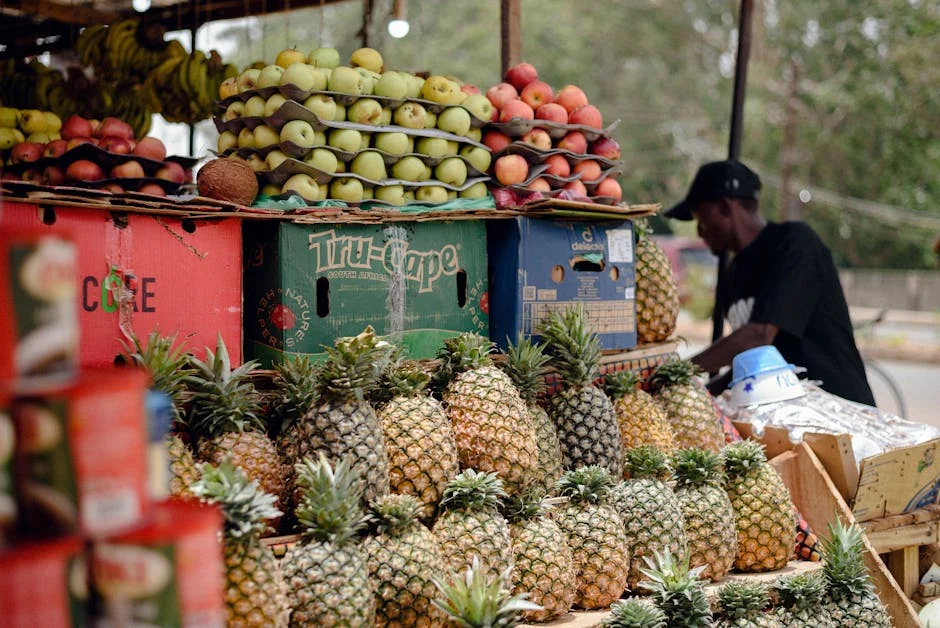
According to a recent report by the African Development Bank, the continent's GDP grew by 3.7% in 2022. This growth is partly attributed to a more cohesive and assertive narrative that positions Africa as a burgeoning economic force. As these narratives gain traction, they are expected to attract more investments into African markets.
Impact on Global Markets


The emerging African narratives are reshaping trade relationships and investment flows. For instance, Singaporean businesses, known for their strategic investments in emerging markets, are closely monitoring these developments. The potential for partnerships in sectors like technology, agriculture, and renewable energy is expanding.
David Thang, a market analyst at Singapore's DBS Bank, notes that this narrative shift could redefine the competitive landscape. "Businesses that align with Africa's growth story could see substantial returns," he emphasised, highlighting the importance of understanding local contexts and consumer behaviours.
Opportunities and Risks for Investors
Investment Opportunities
Investors are being drawn to Africa's untapped potential. The continent's young population and growing middle class present lucrative opportunities in consumer goods, infrastructure, and digital services. As African Media continues to shape perceptions, investor confidence is likely to rise.
Moreover, countries like Nigeria and Kenya, with their rapid urbanisation and tech-savvy youth, offer fertile ground for investment. The allure of accessing these markets is heightened by the narrative shift that promises stability and growth.
Potential Risks
Nevertheless, investors must navigate potential risks. Political instability, regulatory challenges, and currency volatility remain concerns. The success of African narratives in mitigating these risks will be crucial in determining the level of foreign investment.
Future Outlook
The evolution of African narratives presents a transformative opportunity for both African economies and international investors. As these narratives become more influential, they will likely redefine global economic relationships. Businesses and investors should watch for upcoming forums and summits, such as the Africa Investment Forum in Johannesburg, where these themes will be further explored.
Going forward, the success of African narratives in reshaping economic sovereignty will depend on continued collaboration between governments, media, and the private sector. For international markets, particularly those in Singapore, the key will be to engage with Africa's authentic growth story, navigating both opportunities and challenges with strategic insight.