Former US President Donald Trump is reportedly in discussions to relocate Afghans who supported US forces in the country to the Democratic Republic of the Congo (DRC), according to multiple sources. The move, which has not been officially confirmed, comes amid growing pressure on the US government to address the fate of local allies who faced persecution after the 2021 withdrawal. The proposal has sparked concern among international aid organisations and raised questions about the economic and political implications for both the DRC and the US.
What the Plan Entails
The plan, reportedly discussed in late 2024, involves moving hundreds of Afghans to the DRC, where the government has agreed to host them under a new resettlement initiative. The US Department of Homeland Security has not commented on the proposal, but a senior official with knowledge of the talks confirmed the discussions were ongoing. The DRC, which has a population of over 100 million, has struggled with political instability and economic challenges, including a 5% inflation rate and a depreciating currency.
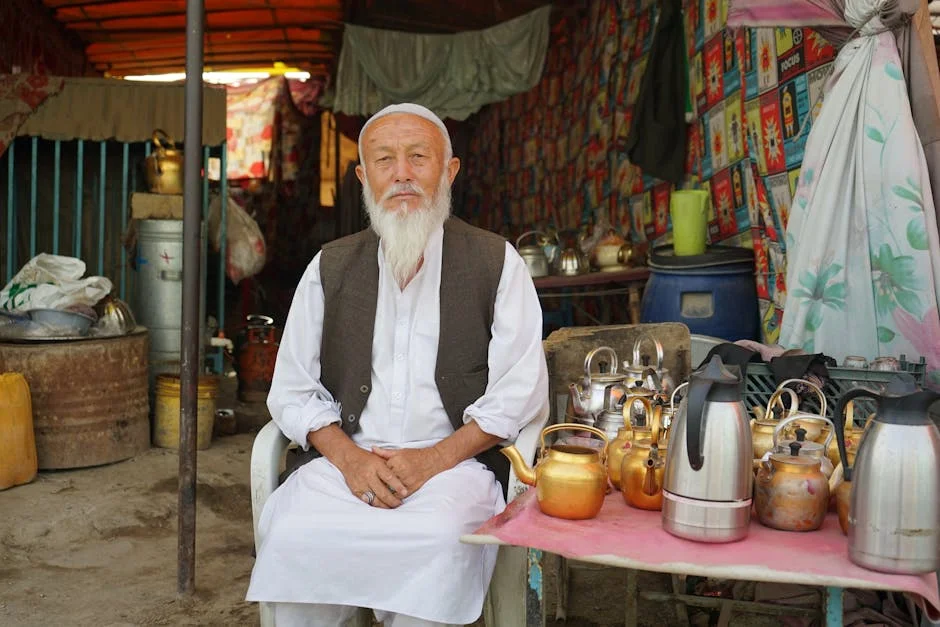
The move is seen as an alternative to sending Afghans to third countries or resettling them in the US. A statement from the US Refugee Admissions Program (USRAP) said, “We are exploring all possible pathways to ensure the safety and well-being of those who have supported our efforts in Afghanistan.” The DRC’s Ministry of Interior has not issued a formal statement, but a local official in Kinshasa said the government is “evaluating the feasibility of the proposal.”
Market and Economic Reactions


The potential relocation has already triggered reactions in financial markets. The DRC’s currency, the Congolese franc, fell by 1.2% against the US dollar on Thursday, reflecting investor concerns over the economic strain of hosting a new refugee group. Analysts at Standard Bank noted that the DRC’s budget for refugee integration is limited, with only $20 million allocated for such efforts in 2025. “This could add pressure to an already fragile economy,” said analyst Mwana Kabila.
Investors in the DRC’s mining sector, which accounts for 10% of the country’s GDP, are also watching closely. The DRC is a major source of cobalt, a critical component in electric vehicle batteries. A surge in refugee numbers could strain infrastructure and increase costs for mining companies. “This is a potential risk for foreign investors already navigating a complex regulatory environment,” said Sarah Omondi, a senior economist at the African Development Bank.
Business and Investment Implications
For businesses operating in the DRC, the potential influx of Afghans raises concerns about workforce dynamics and local market demand. The DRC’s urban centres, particularly Kinshasa and Lubumbashi, are already dealing with high unemployment rates. A 2024 report by the World Bank found that youth unemployment in the DRC stands at 22%, with limited opportunities for skilled migrants.
However, some experts argue that the move could create new business opportunities. “If the DRC can provide housing, healthcare, and job training, this could lead to a new wave of entrepreneurship,” said Dr. Jean-Paul Mwakilasa, a political economist at the University of Kinshasa. “But the government needs to act quickly to avoid a humanitarian crisis.”
Regional and International Reactions
The proposal has drawn mixed reactions from regional partners. The African Union has called for more transparency, with AU Commissioner Amina J. Mohammed stating, “We must ensure that any resettlement efforts are done in a way that respects the rights and dignity of all individuals.” Meanwhile, Qatar, which has hosted thousands of Afghan refugees since 2021, has not commented publicly on the plan.
International organisations, including the UN High Commissioner for Refugees (UNHCR), have expressed concern over the lack of formal agreements. “We urge all parties to ensure that the rights of displaced persons are protected,” said UNHCR spokesperson Melissa Fleming. “This is not just a political issue — it’s a humanitarian one.”
What to Watch Next
The next few weeks will be critical in determining whether the plan moves forward. The DRC government is expected to make a formal announcement by early March, while the US administration is under pressure to provide more details on its refugee policies. Investors and businesses should monitor developments closely, as the outcome could have significant economic and social repercussions.
The situation also highlights the broader challenges of global refugee resettlement. As the world grapples with increasing displacement, the DRC’s role in this new chapter remains uncertain. For now, the focus remains on the next steps and the potential impact on both the DRC and the global economy.