An Italian man attempting to pass off a genuine $89,800 Rolex as a fake during a transaction in Singapore has sparked a legal and financial backlash, highlighting the risks of counterfeit claims in high-value luxury sales. The incident, which took place in the city-state’s central business district, has raised questions about the integrity of luxury retail practices and the potential economic impact on the market for premium timepieces.
Who Was Involved and What Happened
The man, identified only as a 42-year-old Italian national, approached a luxury watch retailer in Singapore’s Orchard Road district in early June, claiming the $89,800 Rolex he was trying to sell was a counterfeit. He attempted to negotiate a lower price, arguing that the watch was not authentic. However, after a forensic examination by the retailer’s in-house expert, the watch was confirmed to be genuine. The man was then banned from the store and faced potential legal action for fraud.
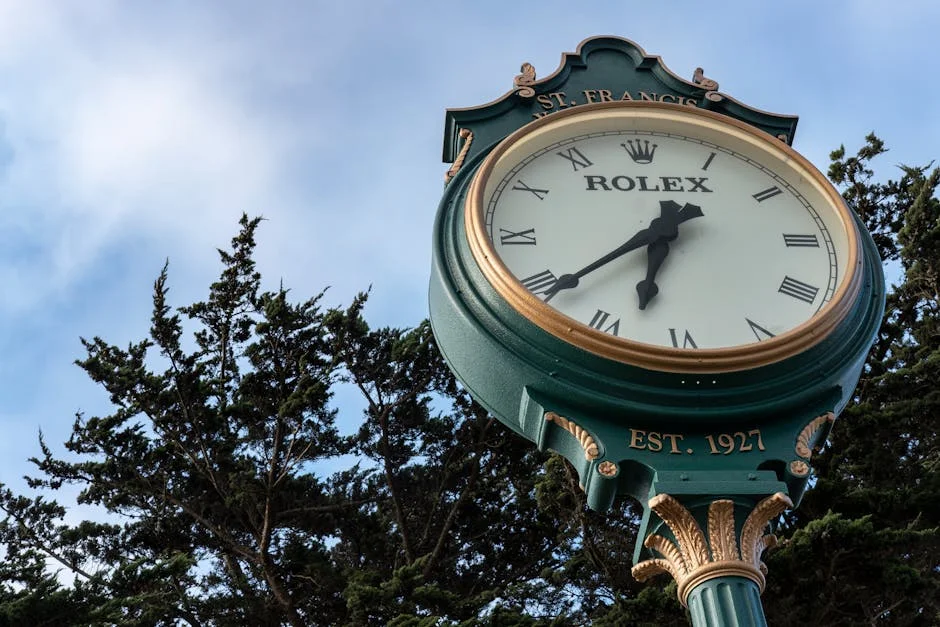
The case has drawn attention from both local and international media, with many questioning how such a mistake could occur. The incident underscores the challenges luxury retailers face in verifying the authenticity of high-value items, especially when dealing with international clients. Retailers in Singapore, a major hub for luxury goods, have reported a rise in similar disputes in recent months.
Market and Business Implications

The incident has prompted discussions among Singaporean luxury retailers about the need for stricter verification processes. According to the Singapore Retailers Association, the number of counterfeit claims has increased by 15% over the past year, with many cases involving high-value items like watches and handbags. This trend has led to higher operational costs for retailers, who now invest more in authentication services and staff training.
Investors in the luxury sector have also taken note. The Singapore-based luxury market, which accounts for 25% of the Asia-Pacific region’s high-end retail sales, is closely watched by global investors. A report from McKinsey & Company noted that the growing complexity of the market could lead to increased regulatory scrutiny, potentially affecting profit margins for luxury brands operating in the region.
What This Means for Consumers and the Economy
The case highlights the importance of due diligence in high-value transactions, especially for foreign buyers. Singapore’s reputation as a secure and transparent market for luxury goods has been a key factor in its success. However, incidents like this could erode consumer confidence, particularly if they become more frequent.
For the broader economy, the luxury sector contributes significantly to Singapore’s retail and service industries. The sector employs over 100,000 people and generates billions in annual revenue. Any disruption in consumer trust could have a ripple effect on related industries, including hospitality, finance, and real estate.
Legal and Ethical Considerations
The Italian man’s actions have been condemned by legal experts in Singapore, who say that attempting to defraud a business, even unintentionally, can have serious consequences. “This case shows the importance of transparency in commercial transactions,” said Dr. Lim Chong, a legal analyst at the National University of Singapore. “Any attempt to mislead a seller, regardless of intent, can lead to legal repercussions.”
The incident also raises ethical questions about the responsibility of buyers to verify the authenticity of items they are selling. In a market where counterfeit goods are a persistent issue, the onus is often on the buyer to ensure that what they are selling is genuine. Retailers, meanwhile, are advised to document all transactions and use third-party verification services to protect themselves from fraud.
What to Watch Next
The case is expected to be reviewed by Singapore’s Consumer Protection (Fair Trading) Act enforcement body, which has the authority to impose fines or take legal action against individuals who engage in deceptive practices. The outcome of the case could set a precedent for similar disputes in the future.
For investors and businesses, the incident serves as a reminder of the risks associated with high-value transactions in the luxury sector. As Singapore continues to solidify its position as a global luxury hub, the need for robust verification processes and consumer education will only grow. Investors should monitor how the market responds to such incidents and whether regulatory measures are introduced to protect both buyers and sellers.
See Also
- Keldon Johnson's Bench Role Revives San Antonio Spurs — Impact on SG Markets Looms
- Portugal's Baixos Region Slammed by Economic Downturn
Singapore’s reputation as a secure and transparent market for luxury goods has been a key factor in its success. For the broader economy, the luxury sector contributes significantly to Singapore’s retail and service industries.