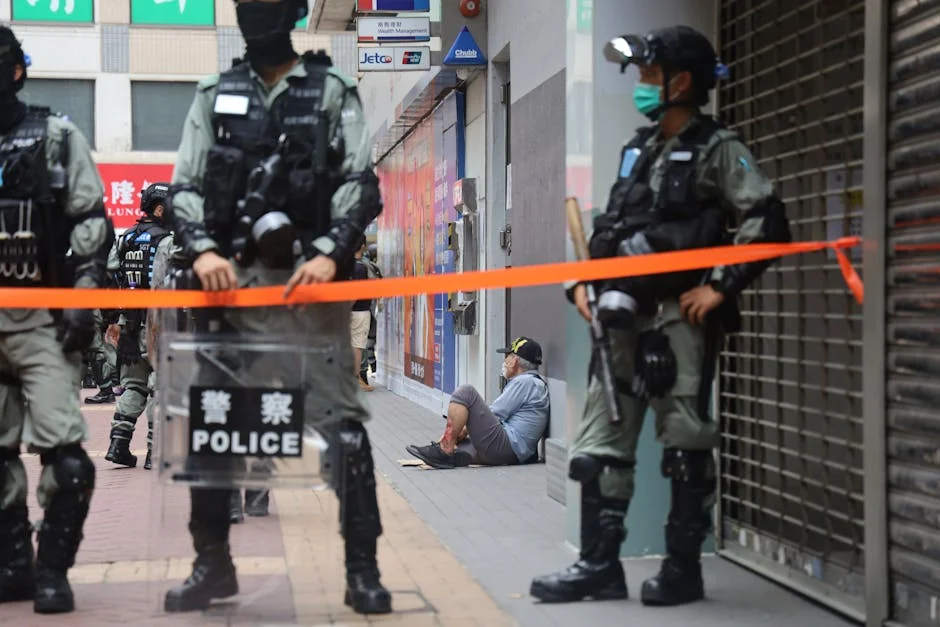
South African politician Julius Malema was sentenced to six months in prison for violating firearm regulations, a ruling that has sparked immediate reactions from political and business circles. The former leader of the Economic Freedom Fighters (EFF) was found guilty of carrying a gun without a permit, a charge that has drawn attention to the country's ongoing legal and political challenges. The case, which took place in Johannesburg, highlights the intersection of law enforcement and political activism in a nation already grappling with economic instability.
Legal Ruling and Immediate Reactions
The Johannesburg High Court handed down the sentence on 15 May 2024, marking a significant moment in Malema’s legal history. The court found that he had violated the Firearms Control Act by carrying an unregistered weapon during a public event. The decision was widely reported by local media, with some outlets describing it as a rare instance of the judiciary taking a firm stance against political figures.

Malema, who has long been a polarising figure in South African politics, has faced multiple legal challenges over the years. His arrest in 2023 for allegedly threatening a police officer and his subsequent court appearances have drawn public attention. The latest ruling has reignited debates about the role of the judiciary in addressing political misconduct.
Market and Economic Implications

The sentencing has raised concerns among investors and market analysts about the potential impact on South Africa’s economic stability. While the immediate market reaction was muted, some analysts warned that continued political turbulence could deter foreign investment. The rand, which has been volatile in recent months, saw a slight decline against the US dollar following the news.
South Africa’s economy, already under pressure from high unemployment and inflation, could face further strain if political instability persists. The country’s financial markets are closely watched by investors in Singapore and other regions, with many following developments in South African politics as a key indicator of economic health.
South Africa’s central bank has not yet commented on the ruling, but officials have repeatedly stressed the importance of political stability for long-term economic growth. The latest development adds to the uncertainty, particularly for businesses operating in the region.
Business and Investor Sentiment
Business leaders in South Africa have expressed concern over the ruling, with some suggesting that political figures should be held to the same legal standards as ordinary citizens. The Business Unity South Africa (BUSA) organisation, which represents major corporate interests, called for a focus on economic reform rather than political disputes.
Investors from Singapore and other markets are closely monitoring the situation. A recent survey by a Singapore-based financial firm found that 68% of respondents were concerned about the impact of political instability on their South Africa investments. The country remains a key market for regional trade and investment, particularly in sectors such as mining, agriculture, and technology.
Political Context and Public Response
Malema’s case has also sparked a broader conversation about the role of public figures in South African society. His arrest and sentencing have been met with both support and criticism, with some viewing it as a necessary step toward accountability. Others argue that the legal system is being used to target political opponents.
The EFF, which Malema founded, has called for a review of the charges, claiming that the court ruling is politically motivated. The party has also highlighted the need for greater transparency in the legal system. Meanwhile, the ruling party, the African National Congress (ANC), has remained largely silent on the matter, a move that some analysts say reflects its own internal challenges.
What to Watch Next
Investors and analysts will be closely watching the next steps in Malema’s legal case. While the sentence is likely to be served in a low-security facility, the broader implications for South Africa’s political and economic landscape remain to be seen. The upcoming budget announcement by the South African government in June is expected to be a key indicator of the country’s economic direction.
For Singapore-based investors, the situation underscores the importance of monitoring political developments in South Africa. The region’s economic ties with Singapore are significant, particularly in trade and financial services. Any further instability could have ripple effects on regional markets.
As the situation unfolds, stakeholders across the globe will be watching closely to see how South Africa navigates the intersection of law, politics, and economics. The coming weeks will be critical in determining the long-term impact of this latest development.
Frequently Asked Questions
What is the latest news about south africas malema jailed for gun charges market volatility looms?
South African politician Julius Malema was sentenced to six months in prison for violating firearm regulations, a ruling that has sparked immediate reactions from political and business circles.
Why does this matter for politics-governance?
The case, which took place in Johannesburg, highlights the intersection of law enforcement and political activism in a nation already grappling with economic instability.
What are the key facts about south africas malema jailed for gun charges market volatility looms?
The court found that he had violated the Firearms Control Act by carrying an unregistered weapon during a public event.