India’s Lok Sabha extended its session until midnight on Monday as lawmakers debated the Women’s Reservation Bill, a landmark piece of legislation aiming to reserve 33% of seats in state and national legislatures for women. The bill, introduced by the Ministry of Women and Child Development, has sparked intense political and social discussions, with implications for governance and policy-making across the country.
What the Bill Entails
The Women’s Reservation Bill, first introduced in 1996, seeks to address gender disparities in political representation. The current session marks a critical phase as the bill is being reviewed by the Lok Sabha, with the government pushing for its passage. The bill would require a constitutional amendment to implement the quota, a process that has faced resistance from various political groups.
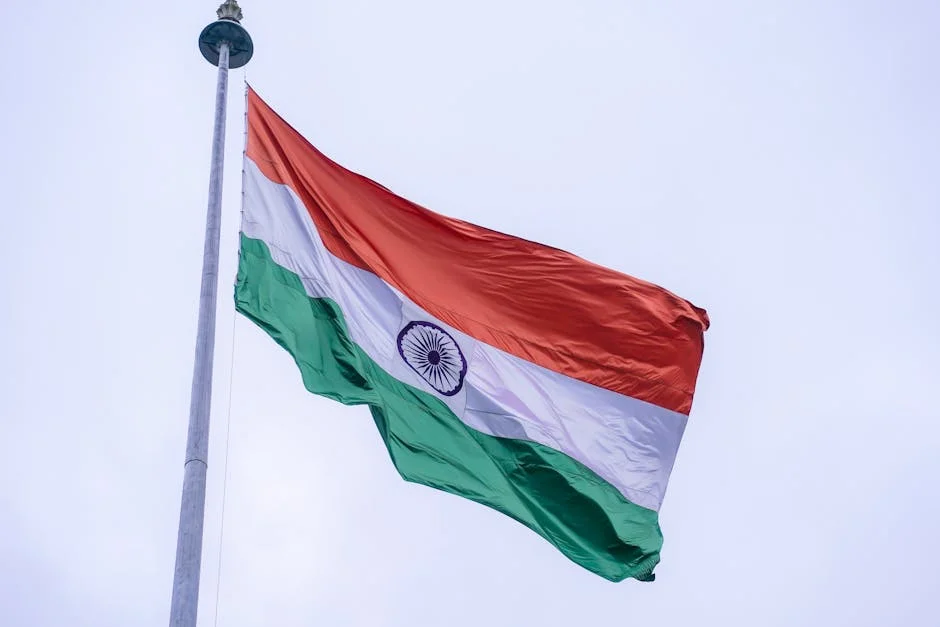
Minister of Women and Child Development Smriti Irani emphasized the bill’s importance in promoting gender equality, stating that “empowering women in politics is essential for inclusive development.” The proposal has gained support from women’s rights organizations, but critics argue it may lead to tokenism and undermine merit-based representation.
Market and Investor Implications


While the bill primarily affects governance, its long-term implications for the economy remain uncertain. Investors are closely watching the political landscape, as policy stability is a key factor in investment decisions. A successful passage of the bill could signal a shift toward more inclusive policymaking, potentially influencing foreign direct investment (FDI) in sectors like education and healthcare.
However, prolonged parliamentary debates could delay other economic reforms, such as tax policy revisions and infrastructure funding. The Indian stock market, which has seen a 12% rise in the past year, remains sensitive to political developments. Analysts suggest that any delay in legislative action may lead to short-term volatility.
Business and Economic Impact
For businesses, the bill’s passage could lead to more diverse leadership in public and private sectors. Companies with strong gender diversity policies have shown improved financial performance, according to a 2023 report by the National Institute of Public Finance and Policy. As the bill gains momentum, corporations may face increased pressure to align with progressive gender norms.
The bill could also affect labor policies, as it may encourage more women to enter the workforce. India’s female labor participation rate remains one of the lowest globally, at just 24%. A boost in women’s political representation could lead to more supportive labor laws, potentially increasing workforce participation and productivity.
Public Reaction and Political Tensions
The debate has drawn widespread public attention, with social media platforms flooded with discussions on gender equality and political reform. Activists, including the Delhi-based NGO Jagori, have praised the bill as a step toward equity, while opposition parties have raised concerns about its feasibility and implementation.
Political tensions have also emerged, with some lawmakers accusing the ruling party of using the bill as a political tool. The bill’s fate now hinges on the outcome of the extended parliamentary session, with a final vote expected by the end of the week.
What to Watch Next
Key developments to monitor:
- Final vote on the Women’s Reservation Bill by the end of the week
- Reactions from opposition parties and civil society groups
- Impact on the government’s legislative agenda, including economic reforms
The outcome of the debate will shape India’s political and economic trajectory, with long-term effects on governance, gender equality, and investor confidence.
The extension of the Lok Sabha session highlights the significance of the Women’s Reservation Bill in India’s political landscape. As the debate continues, the bill’s passage could mark a turning point in the country’s efforts to promote gender equity and inclusive governance. Investors and businesses should closely monitor the legislative process and its potential impact on policy and economic stability.