The Nigerian Naira has taken a steep dive against the US Dollar today, April 14, 2026, reaching an exchange rate of 950 Naira to 1 Dollar. This sharp decline is raising alarms for businesses and investors both in Nigeria and abroad, including those in Singapore who have vested interests in the African nation's economy.
Naira Weakness: Immediate Market Reactions
The drastic fall in the Naira's value can be attributed to Nigeria's escalating inflation and reduced foreign exchange reserves. Abuja, Nigeria's capital, has been witnessing increased pressure on its currency, which is now at its weakest point in over a decade. The Central Bank of Nigeria has been striving to stabilise the currency but to little avail, prompting a volatile response in the markets.
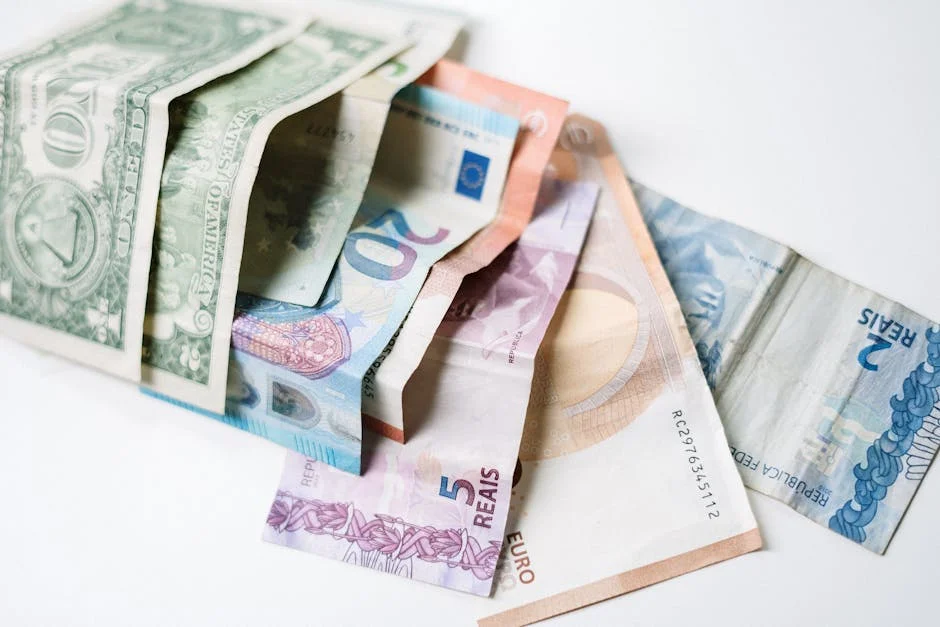
As the Naira continues to weaken, businesses operating in Nigeria are facing rising costs, particularly those reliant on imported goods. This development is likely to squeeze profit margins and compel companies to reevaluate their pricing strategies.
Impact on Singapore-Based Investors


Singaporean investors with stakes in Nigerian enterprises, such as agribusinesses and telecommunications, are closely monitoring the situation. The currency devaluation poses a threat to their returns, as repatriated profits could diminish in value.
Investment Diversification Concerns
Investment diversification strategies are now being reconsidered. Investors may need to hedge their currency exposure to mitigate risks associated with the depreciating Naira. This could involve shifting focus to more stable markets or exploring alternative asset classes.
Economic Implications and Future Projections
The weakening Naira significantly affects Nigeria's economic stability, impacting its import capabilities and contributing to rising inflation rates. Analysts from Lagos-based financial institutions predict potential increases in interest rates as the Central Bank of Nigeria seeks to curb inflation and attract foreign investment.
For Singaporean businesses reliant on Nigerian imports, particularly in the technology and consumer goods sectors, the exchange rate shift may result in higher costs, thereby influencing pricing strategies and supply chain decisions.
What to Watch Next
As the situation unfolds, market participants are advised to keep a close eye on Nigeria's fiscal policies and any potential interventions by international financial organisations. The next few weeks could bring further developments, especially ahead of Nigeria's forthcoming general elections, which historically have had a notable impact on the economic landscape.