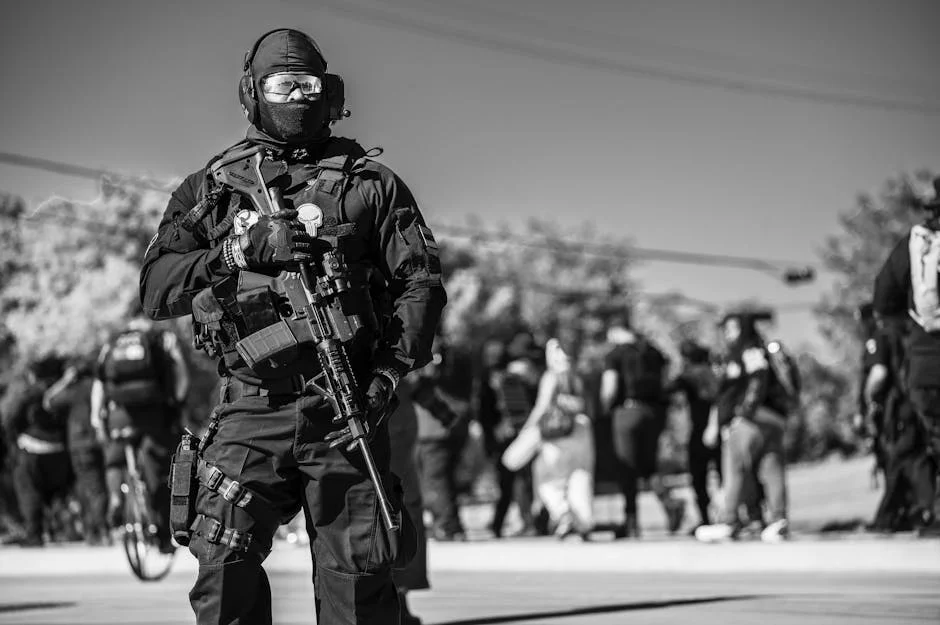
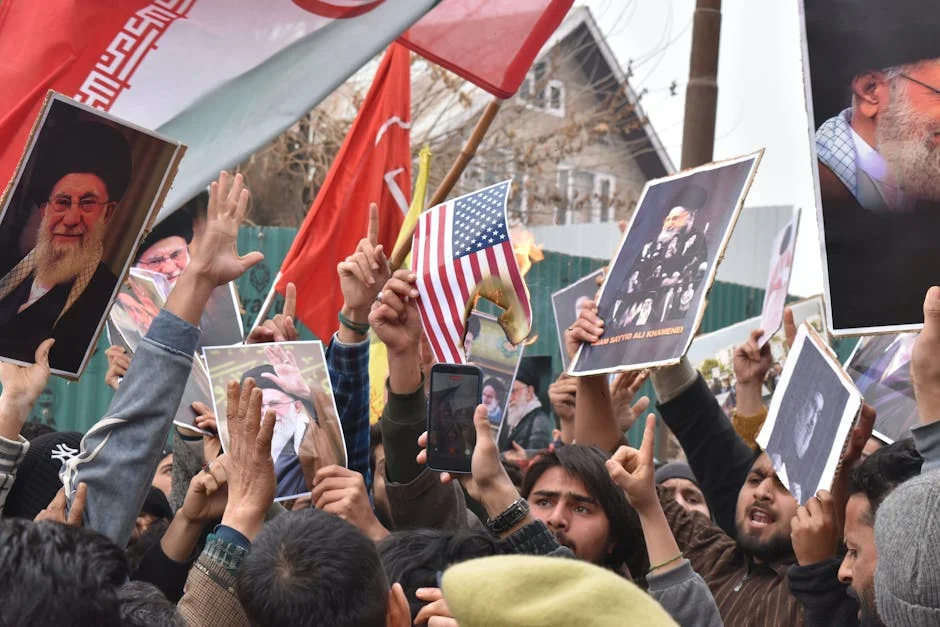
Vali Nasr, a senior analyst at the Council on Foreign Relations, has warned that the ongoing conflict in Iran will profoundly reshape the country’s population and political landscape. His comments come as tensions escalate in the Middle East, with regional powers and global investors closely watching the implications for stability and economic growth. The war, which has been ongoing for over a year, has already led to significant disruptions in trade, energy markets, and investment flows.
Regional Tensions and Economic Fallout
The conflict, primarily between Iran and its regional adversaries, has intensified in recent months, with cross-border attacks and diplomatic standoffs worsening. The war has also triggered a sharp rise in oil prices, with Brent crude reaching $112 per barrel as of last week. This surge has raised concerns about inflation and supply chain disruptions across the Middle East and beyond.
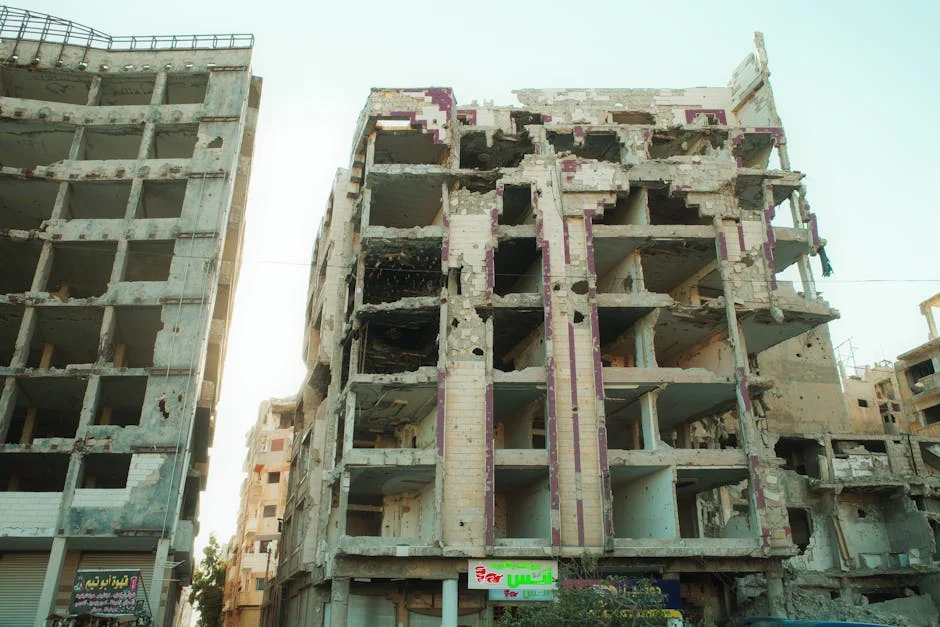
Vali Nasr, a professor at Yale University and former U.S. State Department official, argues that the war will have long-term consequences for the Iranian people. “This war will change the way the Iranian people see their government, their economy, and their future,” he said in a recent interview. “It’s not just about military victories or losses — it’s about how this conflict reshapes the social fabric of the country.”
Impact on Global Markets and Investors

Investors have begun to adjust their portfolios in response to the growing uncertainty. The S&P 500 has seen a 2.3% decline over the past month, with energy and defense stocks rising sharply. Meanwhile, the U.S. dollar has strengthened as investors seek safe-haven assets amid the geopolitical tensions.
“The war in Iran is a major risk factor for global markets,” said Laura Thompson, a financial analyst at Goldman Sachs. “We’re already seeing increased volatility in commodities, and this could lead to broader economic instability if the conflict escalates further.”
Businesses Caught in the Crossfire
Multinational corporations operating in the Middle East are also feeling the pressure. Companies such as Shell and ExxonMobil have reported supply chain delays, while local businesses in cities like Tehran and Baghdad are struggling with rising costs and reduced consumer spending.
“The war has disrupted our operations in the region,” said Ahmed Al-Masri, a business owner in Basra, Iraq. “We’ve had to increase prices, which has led to a drop in sales. It’s a tough situation for everyone.”
What to Watch Next
The coming weeks will be critical in determining the trajectory of the conflict and its economic impact. A key development to watch is the potential for renewed diplomatic talks between Iran and its regional rivals. If negotiations fail, the risk of further escalation increases, which could have severe consequences for global markets and businesses.
Investors and policymakers are also closely monitoring the situation in Iraq, where the conflict has spilled over into border regions. The Iraqi government has announced plans to increase military spending by 15% in the next fiscal year, signaling a shift in priorities as the country navigates the growing instability.
Looking Ahead
As the war in Iran continues, the economic and political consequences will become more apparent. The coming months will determine whether the region can stabilize or if the conflict will lead to deeper economic and social divisions. For investors, the key will be to monitor developments closely and adjust strategies accordingly.
Readers should pay attention to the next round of diplomatic talks, expected to take place in early March, as well as any changes in oil production and trade policies that may follow. The situation remains fluid, and the impact on global markets could be significant.