The American administration has issued a stark warning following the collapse of high-level talks with Iran, as regional tensions continue to escalate. The stalled negotiations, held in Vienna, failed to produce any agreement on reducing hostilities in the Middle East. U.S. Special Envoy for Iran, Brian McFeeters, confirmed the setback, stating that the discussions did not address critical issues such as nuclear ambitions and regional security. The failure to reach a resolution has raised concerns among global investors and businesses, particularly in Southeast Asia, where trade and energy markets are closely tied to Middle East stability.
Stalled Talks Fuel Market Uncertainty
Following the breakdown of the talks, global markets experienced a sharp dip, with the S&P 500 falling 1.2% on Monday. Analysts at Goldman Sachs noted that the lack of progress has increased fears of a potential military conflict, which could disrupt oil supplies. The price of Brent crude rose 2.5% to $87.50 per barrel, reflecting heightened geopolitical risk. In Singapore, the Straits Times Index also declined by 0.8%, with energy and transport sectors suffering the most. The uncertainty has prompted investors to shift capital into safe-haven assets, such as U.S. Treasury bonds and gold.
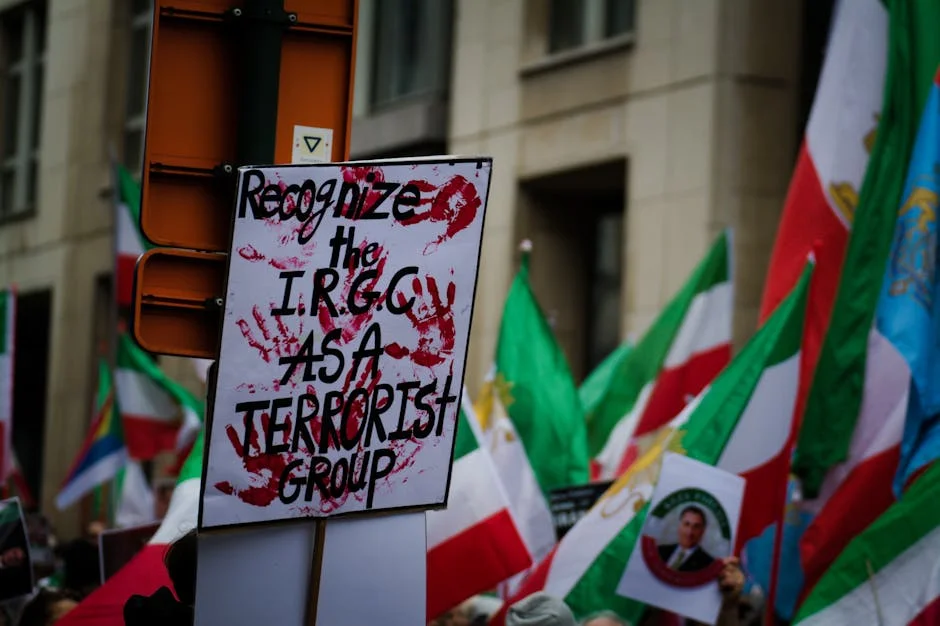
The U.S. has taken a firm stance, with State Department spokesperson Ned Price stating that the administration is prepared to take further measures if Iran continues its provocative actions. This includes potential sanctions on Iranian entities and increased military presence in the region. The move has been met with concern from regional allies, particularly in the Gulf Cooperation Council (GCC), where officials have warned of the economic fallout from a prolonged standoff. The United Arab Emirates, a key trade partner for Singapore, has already begun to diversify its energy imports, signaling a shift in regional strategy.
Businesses Face Rising Costs and Supply Chain Risks

For businesses operating in or reliant on the Middle East, the stalled talks pose significant risks. Shipping companies, such as Maersk and CMA CGM, have reported increased insurance costs and route diversions due to the heightened security risks in the Strait of Hormuz. In Singapore, the Port of Singapore Authority (PSA) has warned that any disruption in the region could lead to delays and higher logistics costs. The impact is particularly felt in the manufacturing and trade sectors, which depend on steady supply chains and stable energy prices.
Investors are also reassessing their exposure to Middle East-related assets. According to a report by J.P. Morgan, 35% of institutional investors have reduced their holdings in regional energy firms over the past month. The firm noted that the uncertainty has made it difficult to forecast long-term returns, leading to a more cautious approach. In Singapore, the Monetary Authority of Singapore (MAS) has advised local firms to monitor the situation closely and consider hedging strategies to mitigate potential shocks.
Regional Alliances and Geopolitical Shifts
The failure of the talks has also prompted a re-evaluation of regional alliances. The United States has intensified its cooperation with Israel and Gulf states, including Saudi Arabia, to counter perceived Iranian threats. This has led to a renewed focus on defense partnerships and energy security. In contrast, Iran has sought to strengthen its ties with China and Russia, both of which have expressed support for its stance. This realignment could have long-term implications for global trade and investment flows.
China, a major buyer of Iranian oil, has urged all parties to return to the negotiating table. The Chinese Ministry of Foreign Affairs issued a statement emphasizing the need for dialogue and de-escalation. However, the country has also been expanding its energy infrastructure in the Middle East, including a $10 billion investment in a Saudi Arabian refinery. This dual approach highlights the complex dynamics at play as the region navigates the growing uncertainty.
What’s Next for Investors and Businesses?
As the situation remains fluid, investors and businesses must remain vigilant. The next major test will come in the form of a scheduled U.S.-led security summit in early April, where regional tensions are expected to be a key topic. Additionally, the outcome of the U.S. presidential election in November could significantly influence future policies toward the Middle East. For Singapore-based firms, the coming months will be critical in determining how to navigate the evolving landscape. The government has already begun engaging with regional partners to explore alternative trade routes and energy sources, signaling a proactive approach to the challenges ahead.
The next few weeks will be pivotal in shaping the trajectory of the Middle East and its global economic implications. Investors are advised to stay informed and consider strategic adjustments to their portfolios. Businesses must also remain agile, as the potential for further instability could have wide-ranging consequences for markets and supply chains.