Pilgrim’s Rest, a historic town in Mpumalanga, is facing a tourism slump as residents accuse local authorities of poor governance. The decline has hit small businesses and local jobs, with one shop owner reporting a 30% drop in sales since 2022. The situation has drawn attention from investors and economic analysts, who are watching how the region’s challenges could ripple across South Africa’s tourism sector.
Local Residents Raise Concerns Over Governance
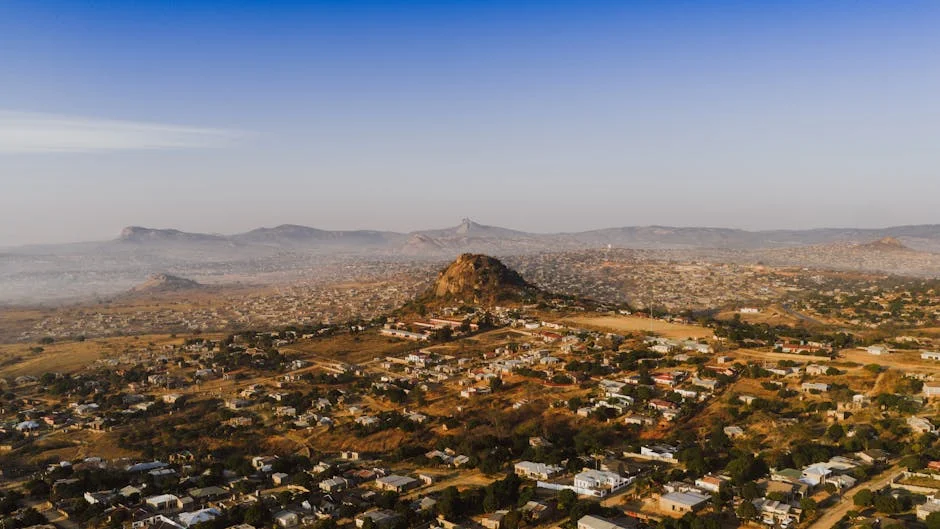
Residents of Pilgrim’s Rest, a town known for its gold rush history and scenic beauty, say the lack of infrastructure and inconsistent policy have hurt visitor numbers. "We used to get 100 visitors a day during peak season, but now it’s down to 30," said Thandiwe Mokoena, a local tour guide. "The roads are in disrepair, and there’s no clear plan to attract tourists." The town, located in Mpumalanga, has long been a key part of the province’s tourism strategy, but recent reports indicate a growing disconnect between local leadership and community needs.
Local government officials have not responded publicly to the criticisms, but a statement from the Mpumalanga Department of Tourism acknowledged the need for improved coordination. "We are reviewing our strategies to better support towns like Pilgrim’s Rest," the statement said. However, many residents feel this is a delayed response to a growing crisis. A 2023 survey by the South African Tourism Association found that 65% of businesses in the region reported declining revenues, with poor governance cited as a key factor.
Economic Impact on Businesses and Investors


The tourism downturn has had a direct effect on local businesses, from guesthouses to souvenir shops. One guesthouse owner, Sipho Dlamini, said he has had to lay off two staff members due to reduced occupancy rates. "We used to be busy during school holidays, but now even those times are quiet," he said. The situation has raised concerns among investors, who are wary of putting capital into a region with unstable local leadership.
Investors are also looking at how the challenges in Pilgrim’s Rest could affect broader economic growth in Mpumalanga. The province is a major contributor to South Africa’s tourism industry, and a sustained decline in visitor numbers could have a knock-on effect on related sectors like hospitality and transport. A report by the Council for Scientific and Industrial Research (CSIR) noted that a 10% drop in tourism revenue could lead to a 2% decline in regional GDP over the next five years.
What This Means for the Broader Economy
The situation in Pilgrim’s Rest highlights a larger issue facing South Africa: the need for better governance in key economic sectors. Tourism is a vital source of employment, and a decline in visitor numbers could have far-reaching consequences. The South African Reserve Bank has warned that regional instability could affect the country’s overall economic performance, particularly if the tourism sector continues to struggle.
For investors, the Pilgrim’s Rest case serves as a cautionary tale. A 2023 study by the University of Stellenbosch Business School found that regions with poor governance saw a 15% lower return on tourism-related investments compared to those with stable leadership. "This is not just a local issue," said Dr. Linda van der Merwe, an economist at the university. "It reflects a broader challenge for South Africa’s economic development."
Investor Sentiment and Policy Reforms
Investor sentiment in Mpumalanga has been mixed. While some see potential in the region’s natural and cultural attractions, others are deterred by the lack of consistent policy support. A recent report by the World Bank highlighted that regions with clear, long-term tourism strategies saw a 25% higher growth in visitor numbers compared to those without.
Policy reforms are seen as a potential solution. The Mpumalanga Provincial Government has announced plans to revise its tourism strategy, but the timeline remains unclear. "We need more than just promises," said Mokoena. "We need action now."
Looking Ahead: What to Watch
As the Mpumalanga government prepares to release its updated tourism strategy, investors and residents are watching closely. The next few months will be critical in determining whether Pilgrim’s Rest can recover or if the tourism slump will continue to impact the region’s economy. A key date is the provincial budget announcement in April, which could signal whether more resources will be allocated to support tourism development.
For Singaporean investors and businesses, the situation in Pilgrim’s Rest serves as a reminder of the importance of governance in economic development. As South Africa continues to navigate its tourism challenges, the lessons from Mpumalanga could have broader implications for regional and global investment strategies.