US warships traversed the Strait of Hormuz on Saturday, a critical maritime chokepoint, as diplomatic discussions between Islamabad and Washington unfolded. The move comes amid heightened regional tensions, with Iran denying any transit of American vessels through the strait. The incident has drawn immediate attention from global markets and investors, who closely monitor the strategic waterway for signs of instability.
Strategic Waterway at the Center of Geopolitical Tensions
The Strait of Hormuz, located between the Persian Gulf and the Gulf of Oman, is a vital route for nearly 20% of the world’s oil supply. Its strategic significance makes it a focal point for international diplomacy and military posturing. On Saturday, the US Navy confirmed that two guided-missile destroyers, the USS John S. McCain and USS Jason Dunham, passed through the strait, a routine operation under the US military’s freedom of navigation program.
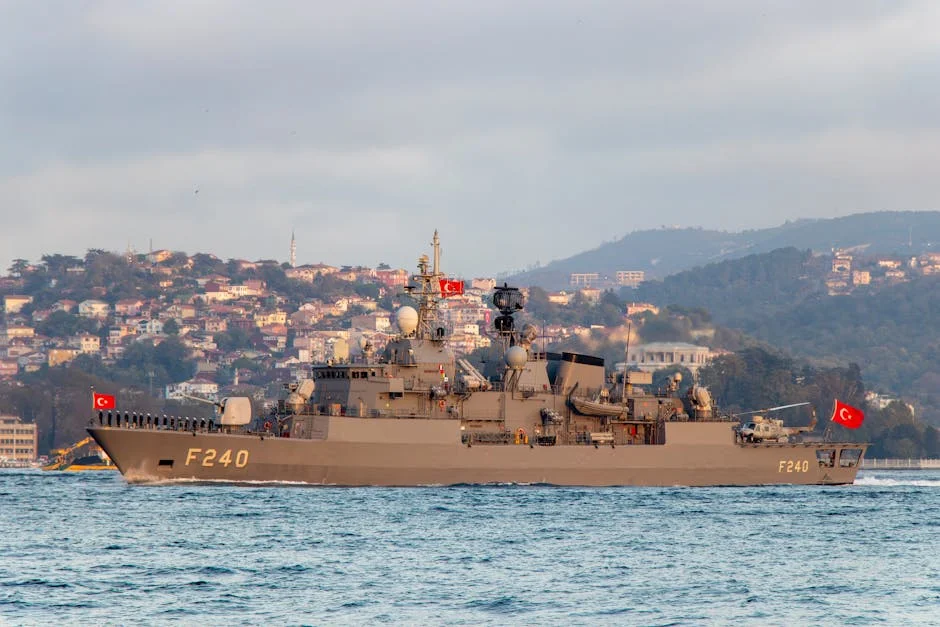
Iran’s foreign ministry denied the US claims, stating that no American vessels had transited the waterway. The denial came as diplomatic talks between the US and Pakistan continued, with Islamabad seeking to mediate between Washington and Tehran. President Donald Trump had previously expressed interest in a potential deal with Iran, though no official agreement has been reached.
The incident highlights the fragile balance of power in the region. Any disruption in the strait’s operations could send shockwaves through global energy markets, particularly for Asian economies that rely heavily on oil imports from the Middle East.
Market Reactions and Investor Concerns


Global markets reacted swiftly to the news, with oil prices rising by 1.2% on Friday as traders anticipated potential supply disruptions. The benchmark Brent crude oil price climbed to $78.50 per barrel, the highest level since early 2023. Investors are closely watching the situation, fearing that further escalation could lead to a spike in energy costs and inflationary pressures.
“The Strait of Hormuz is a flashpoint for global energy security,” said Dr. Amina Khoury, an economist at the International Institute for Strategic Studies. “Any military or diplomatic standoff in the region has direct implications for commodity markets and trade flows.”
Regional stock markets also showed volatility. The Singaporean Straits Times Index fell 0.6% as investors adjusted their portfolios in response to the geopolitical uncertainty. The incident has also prompted increased scrutiny of shipping routes and risk management strategies among multinational corporations.
Business Implications and Supply Chain Worries
For businesses, the situation in Hormuz raises concerns about supply chain stability. Companies that rely on oil and gas imports, particularly in Southeast Asia, are closely monitoring the situation. The region’s manufacturing sector, which is heavily dependent on energy inputs, could face higher costs if tensions escalate.
“We are not seeing any immediate disruption, but the uncertainty is causing us to reassess our logistics plans,” said Ravi Mehta, chief supply chain officer at a major Singapore-based trading firm. “If the situation deteriorates, we may need to divert shipments through alternative routes, which could add to our operational costs.”
Shipping companies are also preparing for potential delays. The International Chamber of Shipping reported that 12% of vessels have already rerouted their plans in response to the latest developments, with some opting to pass through the Suez Canal instead of the Strait of Hormuz.
What to Watch Next
The next 48 hours will be critical in determining the trajectory of the situation. US Secretary of State Antony Blinken is set to meet with Pakistani officials on Monday to discuss regional security and diplomatic efforts. Meanwhile, Iran has indicated it is open to dialogue but has not yet confirmed whether it will engage in direct talks with the US.
Investors should also watch for any new developments in the oil market, particularly the response from OPEC+ and major energy producers. The coming week could see further volatility as markets digest the latest geopolitical developments.
For businesses, the focus will remain on risk mitigation and contingency planning. Companies with operations in the region are advised to monitor the situation closely and consider alternative supply chain options.
Frequently Asked Questions
What is the latest news about iran denies us warships transit through hormuz amid islamabad talks?
US warships traversed the Strait of Hormuz on Saturday, a critical maritime chokepoint, as diplomatic discussions between Islamabad and Washington unfolded.
Why does this matter for politics-governance?
The incident has drawn immediate attention from global markets and investors, who closely monitor the strategic waterway for signs of instability.
What are the key facts about iran denies us warships transit through hormuz amid islamabad talks?
Its strategic significance makes it a focal point for international diplomacy and military posturing.