West Bengal's political landscape has been thrown into turmoil as Owaisi, leader of the All India Majlis-e-Ittehadul Muslimeen (AIMIM), severed ties with former Trinamool Congress (TMC) leader Humayun Kabir over a controversial proposal to build a Babri Masjid in Murshidabad. The decision comes as the state prepares for crucial elections, raising concerns about communal tensions and their potential impact on investor confidence and economic stability.
AIMIM's Break with Kabir Over Religious Controversy
Owaisi's move to cut ties with Kabir, who had previously been a TMC ally, highlights deepening divisions within West Bengal's political sphere. Kabir had proposed the construction of a Babri Masjid in Murshidabad, a move that sparked immediate backlash from Muslim and Hindu communities alike. The Babri Masjid, a site of historical and religious significance, has long been a flashpoint for communal conflict in India.
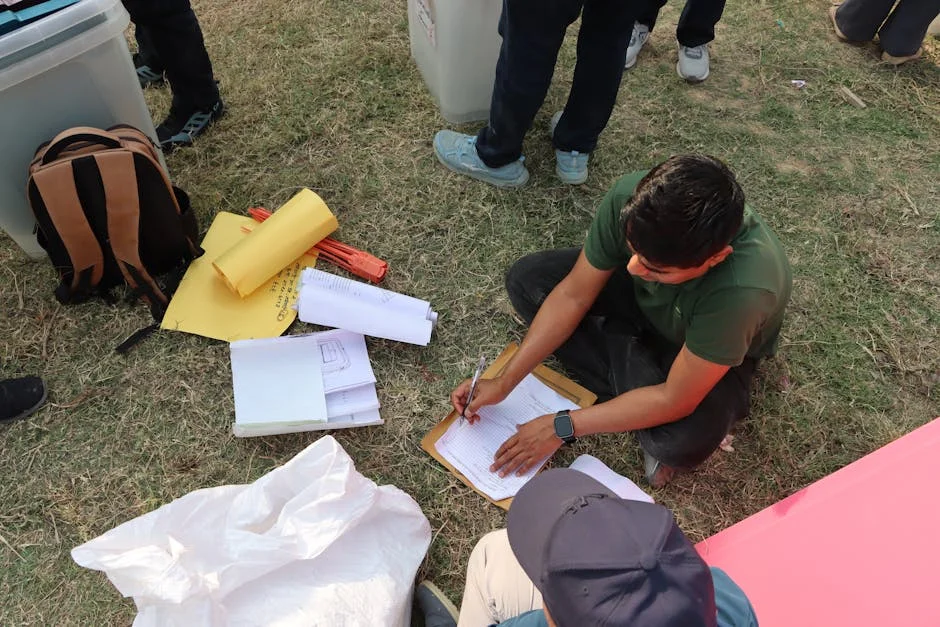
The AIMIM leader accused Kabir of exploiting religious sentiments for political gain, a claim Kabir denied. "This is not about religion, but about unity and progress," Kabir stated in a press conference. However, Owaisi's public rejection of the proposal signals a shift in the party's strategy, as it seeks to position itself as a moderate voice in a polarised political climate.
Impact on West Bengal's Political Dynamics

The fallout has intensified the already competitive race in West Bengal, where the TMC, BJP, and AIMIM are vying for influence. With the state's economy facing challenges such as rising inflation and stagnant industrial growth, political instability could further deter foreign investment. According to the West Bengal government, the state's GDP growth slowed to 4.2% in 2023, down from 5.8% in 2022, raising concerns about long-term economic resilience.
Analysts note that the Babri Masjid controversy could have a ripple effect on voter sentiment. A recent survey by the Centre for Policy Research found that 68% of West Bengal voters consider communal harmony a key factor in their decision-making. This could influence the performance of parties that are perceived as either promoting or undermining social cohesion.
Broader Implications for Businesses and Investors
Investors are closely watching the situation, as political unrest can lead to policy uncertainty and market volatility. The Indian stock market, particularly the Nifty 50, has shown sensitivity to regional political developments. In the last quarter, the Nifty 50 fell by 3.2% following reports of rising communal tensions in several states.
For businesses operating in West Bengal, the uncertainty could translate into delayed investments and slower expansion plans. Multinational corporations, including those in the manufacturing and retail sectors, have expressed concerns about the state's ability to maintain a stable business environment amid political turbulence.
What to Watch Next
As the election campaign intensifies, the Babri Masjid issue is likely to remain a central topic of debate. The next major milestone is the announcement of the election schedule, expected within the next two weeks. Investors and analysts will be closely monitoring how political parties respond to the growing tensions and whether any efforts are made to de-escalate the situation.
Businesses are also preparing for potential shifts in policy, with some considering relocating operations to more stable regions. The state government has yet to issue a formal statement on the matter, but officials have hinted at a commitment to maintaining law and order ahead of the elections.