The Southill Estate in Bedfordshire, England, has become the site of a historic ecological event as beavers returned to the area for the first time in 400 years. The reintroduction, led by the estate’s conservation team, marks a major shift in local biodiversity and has already sparked discussions among environmentalists, landowners, and investors about the long-term economic and ecological implications.
Historic Reintroduction Begins
On 15 April 2025, a pair of Eurasian beavers was released into a designated wetland area on the Southill Estate. The move followed a decade-long effort by the estate’s environmental team and local conservation groups. The beavers, originally from a sanctuary in the Scottish Highlands, were carefully monitored before being relocated to ensure their survival and to assess their impact on the local ecosystem.
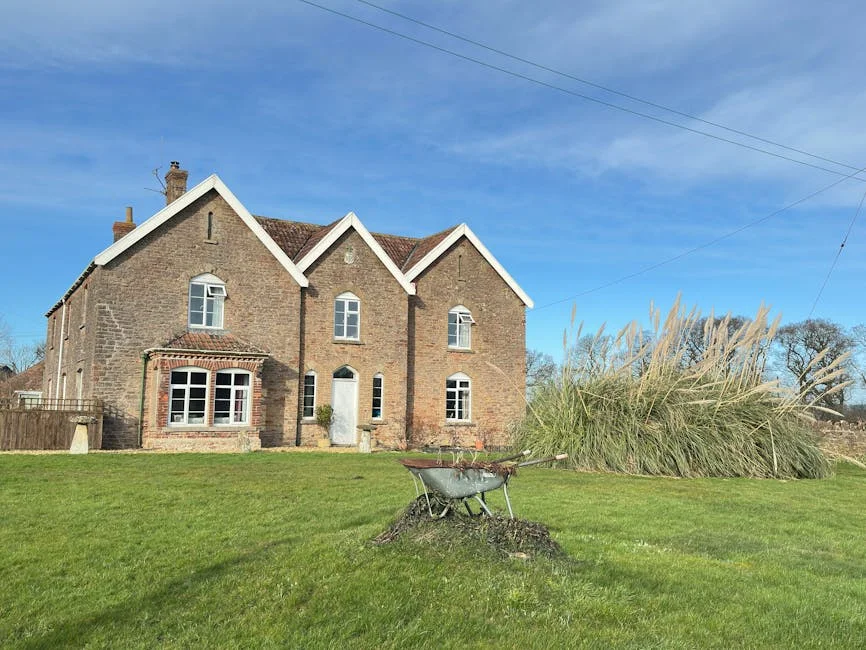
The Southill Estate, a 1,200-acre property managed by the Southill Estate Trust, has long been a hub for conservation initiatives. The reintroduction of beavers, once native to the region, is seen as a step toward restoring natural water systems and improving biodiversity. The estate’s director, Emma Langley, said the project aligns with broader environmental goals and could serve as a model for other landowners.
Economic and Market Implications


The return of beavers has already begun to influence local markets, particularly in the tourism and agriculture sectors. The estate has reported a 20% increase in visitor numbers since the beavers were released, with eco-tourism packages now including guided wildlife tours. This surge in interest has led to new partnerships with local businesses, including hotels and guided tour operators, creating a ripple effect in the regional economy.
Investors in green infrastructure and conservation projects have taken note. The Southill Estate Trust, which has raised £1.2 million in private and public funding for the project, is now being considered as a case study by environmental investment firms. The project’s success could encourage similar initiatives across the UK, potentially boosting demand for conservation-linked financial instruments.
Environmental Impact and Business Adjustments
While the ecological benefits of beaver reintroduction are widely acknowledged, the move has also raised concerns among some local farmers. Beaver activity can alter water flow and potentially flood fields, affecting crop yields. To address these issues, the Southill Estate has partnered with the University of Bedfordshire to monitor the animals’ impact and develop mitigation strategies.
Water Management and Agricultural Challenges
Beavers are known for building dams, which can create new wetlands but also disrupt existing drainage systems. The estate has already installed new water control structures to manage the flow of water in key areas. Local farmers have been invited to participate in a pilot program to test adaptive farming techniques that could reduce the impact of beaver activity.
Despite these challenges, many businesses are viewing the project as an opportunity. A local agri-tech startup, GreenFlow Solutions, has launched a new app to help farmers track water levels and predict potential flooding. The company’s CEO, James Carter, said the project has created a demand for innovative tools to support sustainable farming in the region.
Investment and Policy Outlook
The Southill Estate’s beaver reintroduction has drawn attention from policymakers and environmental investors. The UK government has expressed interest in expanding similar projects across the country, with a potential £50 million fund proposed for habitat restoration. This could create new investment opportunities in conservation and ecological management.
For investors, the project highlights the growing importance of nature-based solutions in sustainable finance. Analysts at the Green Finance Institute have noted that landowners who integrate biodiversity projects into their operations may see long-term financial benefits, including tax incentives and increased property value.
Looking Ahead: What’s Next for Southill Estate?
The Southill Estate Trust plans to release a second pair of beavers in the summer of 2025, with the goal of establishing a self-sustaining population. The estate will also host a public forum in June to discuss the long-term impact of the project and gather feedback from the local community.
As the beavers settle into their new home, the Southill Estate will serve as a key test case for the economic and environmental viability of reintroducing native species. Investors, businesses, and policymakers will be watching closely to see how this historic event unfolds and what lessons can be applied elsewhere.
Frequently Asked Questions
What is the latest news about southill estate welcomes beavers after 400 years ecosystem shifts begin?
The Southill Estate in Bedfordshire, England, has become the site of a historic ecological event as beavers returned to the area for the first time in 400 years.
Why does this matter for economy-business?
Historic Reintroduction Begins On 15 April 2025, a pair of Eurasian beavers was released into a designated wetland area on the Southill Estate.
What are the key facts about southill estate welcomes beavers after 400 years ecosystem shifts begin?
The beavers, originally from a sanctuary in the Scottish Highlands, were carefully monitored before being relocated to ensure their survival and to assess their impact on the local ecosystem.