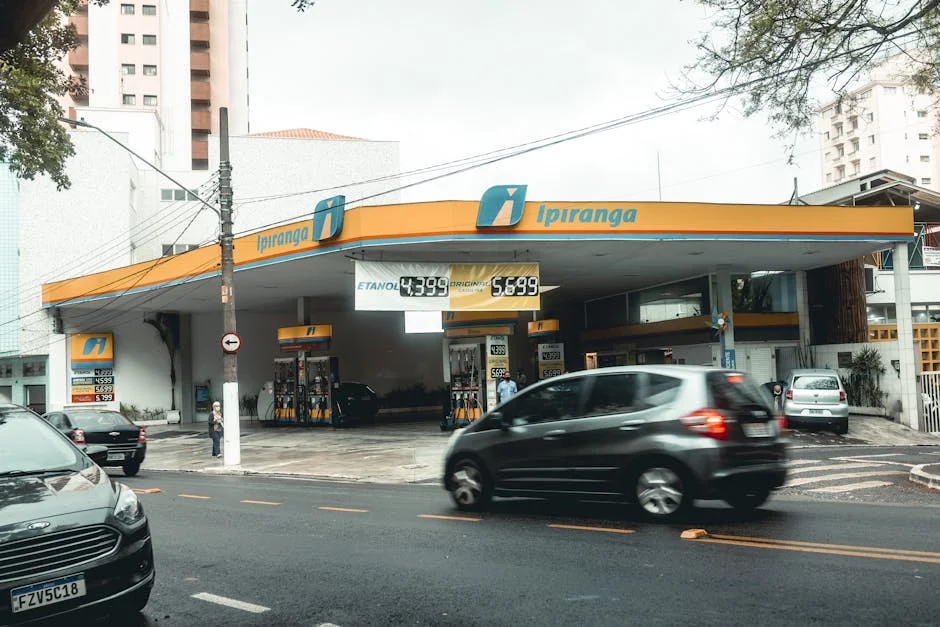
Portugal's government has unveiled a 600 million euro credit line to help businesses cover energy costs, offering a one-year grace period on repayments. The measure, announced by the Ministry of Economy and the Ministry of Industry, aims to ease the financial strain on companies amid rising energy prices. The initiative is part of a broader effort to stabilize the economy and support businesses during the ongoing energy crisis.
Government Response to Energy Crisis
The credit line, managed by the Portuguese Institute for Business Development (IPAD), is designed to provide immediate liquidity to companies struggling with energy bills. The government highlighted that the scheme will prioritize small and medium-sized enterprises (SMEs), which have been hit hardest by the surge in electricity and gas prices. The one-year grace period is intended to give businesses time to adjust their operations and stabilize cash flow.

Minister of Economy, João Gomes Ferreira, stated that the measure reflects the government’s commitment to supporting the private sector. “This initiative is a critical step in ensuring that businesses can continue operating without being burdened by unsustainable energy costs,” he said. The move comes as Portugal faces a sharp rise in energy prices, driven by global supply chain disruptions and high gas import costs.
Impact on Markets and Investors

The announcement has sent a positive signal to financial markets, with the PSI 20 index rising 1.2% in early trading. Investors welcomed the government’s proactive approach, viewing it as a sign of stability in an otherwise volatile economic environment. The credit line is expected to reduce the risk of business closures, which could otherwise lead to job losses and economic slowdowns.
However, some analysts caution that the long-term effectiveness of the scheme depends on broader energy reforms. “While the credit line is a welcome relief, it doesn’t address the root causes of the energy crisis,” said Ana Ferreira, an economic analyst at the Lisbon School of Economics. “Without a shift toward renewable energy and energy efficiency, businesses may face similar challenges in the future.”
Business Implications and Sector Reactions
Business associations have largely welcomed the measure, though some have called for more targeted support. The Portuguese Federation of Industry (FIP) praised the government for recognizing the sector’s struggles but urged for additional incentives to encourage investment in energy-efficient technologies. “We need not just short-term relief but also long-term solutions that make our industries more resilient,” said FIP President, Carlos Mendes.
Several sectors, including manufacturing and tourism, have been particularly affected by the energy crisis. The tourism sector, which accounts for 12% of Portugal’s GDP, has seen a decline in bookings due to rising operational costs. The credit line is expected to provide temporary relief, but industry leaders warn that without sustained policy support, the sector’s recovery may be delayed.
Energy Transition and Policy Challenges
While the credit line offers immediate relief, the government faces pressure to accelerate its energy transition strategy. Portugal has set a target of achieving 80% renewable energy by 2030, but progress has been slower than anticipated. The current energy mix still relies heavily on imported gas, leaving the country vulnerable to price fluctuations. Experts argue that the government must balance short-term support with long-term sustainability goals.
Minister of Industry, Ana Mendes, acknowledged these challenges during a recent press conference. “We are committed to a green transition, but we must ensure that it does not come at the expense of economic stability,” she said. The ministry is currently reviewing proposals for expanding solar and wind energy capacity, with a focus on reducing dependency on fossil fuels.
What to Watch Next
The implementation of the credit line is expected to begin in early 2025, with applications open to eligible businesses. The government has also announced plans to introduce a new energy efficiency fund, aimed at supporting companies in adopting cleaner technologies. Investors and industry leaders will be closely monitoring the rollout of these initiatives, as well as the broader economic impact of the energy crisis.
With the winter season approaching and energy prices expected to remain high, the government’s next steps will be crucial in determining the stability of the Portuguese economy. Businesses, investors, and policymakers alike will be watching for further announcements on energy policy and financial support measures in the coming months.