The Pentagon has come under fresh scrutiny after new evidence emerged linking U.S. missiles to a strike in Iran that killed 21 civilians, raising concerns about military accountability and regional stability. The incident, which occurred in the western Iranian city of Kermanshah on March 2, has intensified diplomatic tensions and sparked calls for a full investigation. The U.S. military has not yet issued a formal statement, but internal reports suggest the attack targeted an Iranian Revolutionary Guard unit, with collateral damage reported.
U.S. Military Under Fire
According to a classified document obtained by The New York Times, the missile strike was launched from a U.S. base in the Middle East and hit a residential area in Kermanshah. The report, dated March 5, states that the strike was authorized under a classified order issued by the U.S. Central Command. The Pentagon has not confirmed the accuracy of the report, but the evidence has prompted criticism from both U.S. lawmakers and international observers.
Senator Elizabeth Warren, a Democrat from Massachusetts, called for an immediate review of the military’s targeting procedures. "This is a serious breach of protocol that puts innocent lives at risk," she said in a statement. The incident has also raised questions about the effectiveness of U.S. intelligence in distinguishing between military and civilian targets, particularly in conflict zones where misinformation is common.
Regional Tensions Escalate


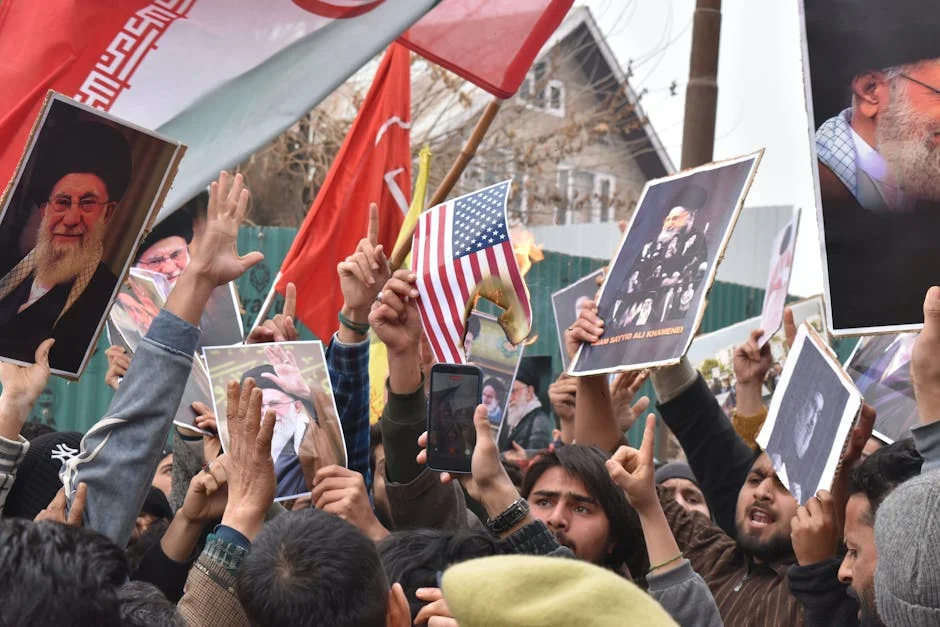
The Iranian government has condemned the strike, with Foreign Minister Hossein Amir-Abdollahian accusing the U.S. of "deliberate aggression." The attack has further strained relations between the two nations, which have been in a state of hostility since the 2018 U.S. withdrawal from the Iran nuclear deal. Kermanshah, a city in western Iran, has been a flashpoint for past clashes, with reports of increased military activity in the region over the past year.
Regional analysts warn that the incident could trigger a cycle of retaliation. "This is a dangerous precedent," said Dr. Ali Rezaei, a political analyst based in Tehran. "If the U.S. continues to act unilaterally, it could lead to a broader conflict that affects the entire region." The potential for escalation has already led to increased military posturing, with Iran reportedly deploying additional forces along its western border.
Market Reactions and Investor Concerns
Global markets reacted swiftly to the news, with the S&P 500 falling 1.2% in early trading as investors braced for potential disruptions in oil supply. The price of Brent crude rose by 2.5% to $89 per barrel, reflecting concerns over regional instability. In Singapore, the Straits Times Index dropped 0.8% as investors adjusted their portfolios to account for the increased geopolitical risk.
Investors are particularly worried about the potential for a broader conflict that could disrupt global trade routes. The Strait of Hormuz, a critical shipping lane, is located near the area where the strike occurred, raising fears of naval confrontations. "This is a wake-up call for investors," said Martin Lee, a portfolio manager at SG Private Bank. "We’re seeing a shift in risk appetite as the market tries to assess the long-term implications."
Impact on Businesses and Trade
The incident has also raised concerns for multinational corporations operating in the Middle East. Companies such as ExxonMobil and Shell have paused some operations in the region, citing the need to reassess security protocols. In Singapore, trade groups are urging the government to monitor the situation closely, as the city-state is a major hub for regional trade and financial services.
Local businesses are also feeling the ripple effects. According to the Singapore Business Federation, 15% of member companies have expressed concerns about supply chain disruptions due to the heightened tensions. "We are closely watching the situation," said Tan Seng Chuan, CEO of the federation. "Any prolonged instability could have a significant impact on our exports and investments."
What to Watch Next
The next key development will be the U.S. response to the allegations. A formal statement from the Pentagon is expected within the next 48 hours, and lawmakers are pushing for a congressional hearing. Meanwhile, the Iranian government has announced plans to file a formal complaint with the United Nations, which could lead to further diplomatic pressure on the U.S.
Investors and businesses will be closely monitoring the situation for any signs of escalation. The coming week will be critical in determining whether the incident leads to a broader conflict or if diplomatic efforts can de-escalate the situation. For Singapore, the focus will be on how the crisis affects regional trade and financial flows, with policymakers likely to issue further guidance in the coming days.