British Airways has announced plans to introduce the world’s largest business class configuration on its Airbus A380 fleet in 2026, featuring 110 Club Suite seats. The move aims to solidify the airline’s position as a leader in premium travel and attract high-net-worth passengers. The redesign will take place across the airline’s A380 aircraft, which operate key routes between London and destinations in Asia, the Middle East, and the Americas.
Market Implications for the Aviation Sector
The expansion of business class on the A380 reflects a broader trend in the aviation industry to enhance passenger experience and differentiate from low-cost carriers. Airlines are increasingly investing in premium offerings to offset rising fuel costs and competition. British Airways’ decision to upgrade its A380 fleet comes amid a global shift towards more personalized and luxurious travel options.
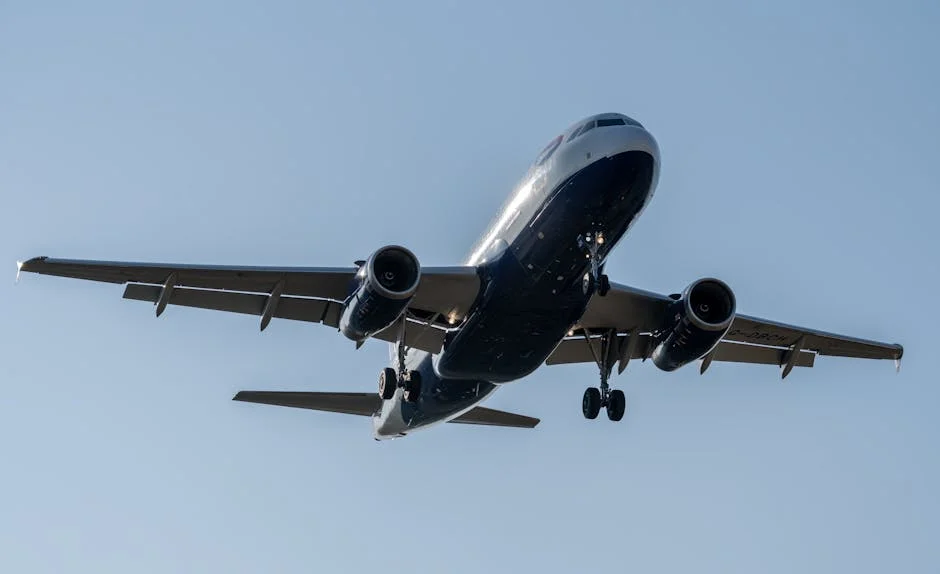
The move is expected to influence market dynamics, particularly in the business travel segment. According to a 2023 report by the International Air Transport Association (IATA), demand for business class seats has risen by 12% year-on-year, driven by corporate travel and high-income travelers. British Airways’ investment in the A380 could set a new benchmark for in-flight luxury, prompting competitors to follow suit.
Investor and Economic Impact


Investors are closely watching how British Airways’ A380 upgrades will affect its financial performance. The airline’s parent company, International Airlines Group (IAG), reported a 15% increase in revenue from premium cabin services in 2023. Analysts at J.P. Morgan note that premium cabin upgrades can significantly boost profitability, as business class passengers typically pay up to three times more than economy travelers.
The project also has economic implications for the UK. British Airways is a major employer and contributes billions to the national economy. The A380 business class expansion is expected to create new jobs in aircraft maintenance, cabin crew training, and hospitality services. Additionally, the upgrades could attract more international business travelers to the UK, boosting tourism and related industries.
Business and Traveler Perspectives
For business travelers, the new Club Suite seats on the A380 offer enhanced comfort, privacy, and technology. Each seat will feature a 32-inch touchscreen, adjustable lighting, and a fully flat bed. The upgrade is expected to appeal to executives and high-income individuals who prioritize comfort and productivity during long-haul flights.
However, the expansion may also lead to higher ticket prices. According to a recent survey by Skyscanner, 68% of business travelers are willing to pay more for premium services, but 32% are concerned about the cost. British Airways has not yet announced pricing changes, but the airline is likely to position the new business class as a premium offering with limited availability.
Operational Challenges and Opportunities
The A380’s retrofitting process presents both challenges and opportunities for British Airways. The airline must coordinate with Airbus and its maintenance partners to ensure the upgrades meet safety and regulatory standards. The project is expected to take 18 months, with the first aircraft reconfigured by mid-2026.
On the other hand, the upgrades could enhance the airline’s brand reputation and attract more corporate clients. British Airways has already secured partnerships with several global corporations, including HSBC and Goldman Sachs, to offer exclusive travel benefits. The new business class could further strengthen these relationships.
Looking Ahead
The A380 business class expansion is set to be a major milestone for British Airways and the broader aviation industry. With the first aircraft expected to be upgraded by 2026, the airline will need to manage the transition carefully to maintain service quality and customer satisfaction. Investors and industry observers will be watching closely for any updates on pricing, passenger feedback, and the overall impact on the airline’s financial performance.
As the aviation sector continues to evolve, British Airways’ decision to invest in its A380 fleet highlights the importance of innovation and customer experience in driving growth. The move could set a new standard for business travel and influence how other airlines approach their premium offerings in the years to come.