Sydney’s light rail operator Transdev has reportedly abandoned a pedestrian sensor trial after a whistleblower revealed the project was too costly to continue, according to an exclusive report. The trial, which aimed to improve safety at crosswalks near rail stations, was halted in early 2024, raising questions about the company’s decision-making and financial transparency. The move has drawn scrutiny from local officials and investors concerned about the long-term viability of public transport projects in the region.
Whistleblower Exposes Cost Concerns
A former Transdev employee, who requested anonymity, told the report that the pedestrian sensor trial was initially praised for its potential to reduce accidents. However, internal documents showed the project exceeded its budget by 40% within the first six months. The whistleblower said senior management ignored warnings about the financial burden, pushing ahead with the trial despite concerns over sustainability.

The trial was conducted in the inner-city areas of Sydney, particularly around the Central Station and Kings Cross corridors. Local authorities had supported the initiative as part of a broader push for smarter infrastructure. But with the project now scrapped, some residents are questioning whether the city will pursue similar safety measures in the future.
Market Reactions and Investor Concerns


Shares of Transdev, which operates public transport systems in multiple countries, saw a slight dip following the whistleblower’s claims. Analysts at JPMorgan noted the incident could raise doubts about the company’s ability to manage large-scale projects efficiently. “This highlights the risks associated with high-cost urban infrastructure initiatives,” said a spokesperson, adding that investors are closely watching how Transdev handles similar projects in other regions, including Singapore.
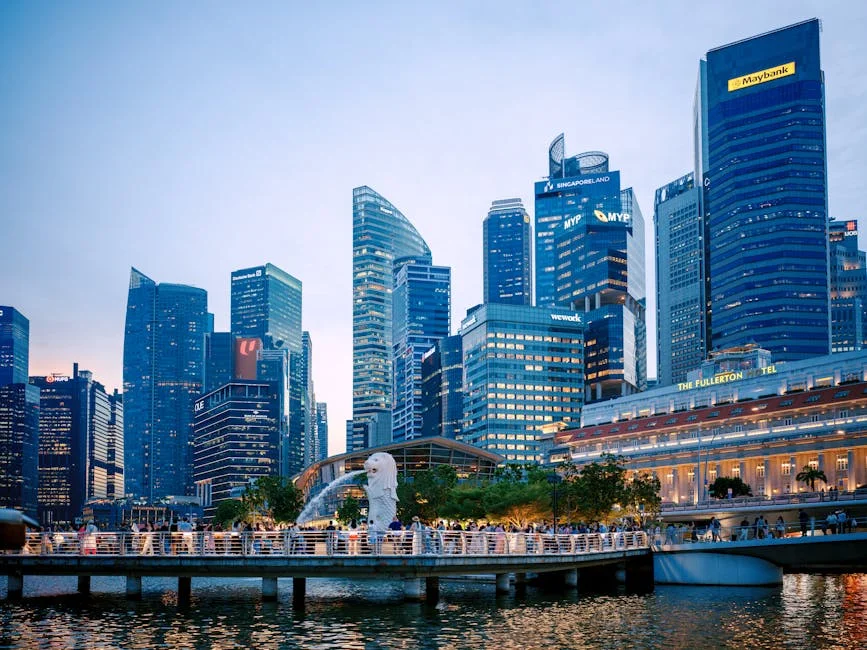
Investors in Singapore, where Transdev has a growing presence, are particularly interested in how this incident could influence the company’s strategy. The firm has been involved in several transport contracts in the city-state, including the maintenance of the Mass Rapid Transit (MRT) system. Any missteps could impact its reputation and future contracts in the region.
Impact on Public Transport Planning
The decision to scrap the pedestrian sensor trial has sparked debate among transport experts in Sydney. Dr. Emily Tan, a transportation policy analyst at the University of Sydney, said the move could slow down the adoption of smart technologies in public infrastructure. “This is a missed opportunity to enhance safety and efficiency,” she said. “Without clear financial planning, such initiatives risk being abandoned before they can deliver real benefits.”
The Australian Department of Infrastructure has not yet commented on the situation. However, the incident has prompted calls for greater oversight of public-private partnerships in transport projects. Local councils are now considering stricter budget controls for future initiatives, which could affect how companies like Transdev operate in the region.
What This Means for Singapore and Beyond
For Singapore, the Transdev case underscores the importance of transparency and fiscal responsibility in public infrastructure projects. The city-state has its own ambitious transport plans, including the development of autonomous vehicles and smart mobility solutions. Any missteps by foreign operators like Transdev could influence local policy and investor confidence.
Investors and policymakers in Singapore are also watching how the Australian government responds. If officials impose stricter regulations on transport contracts, it could affect the way companies like Transdev operate in the region. This is especially relevant given the growing interest in Singapore as a hub for sustainable transport innovation.
Next Steps and Future Implications
Transdev has not yet issued a public statement on the whistleblower claims, but the company is expected to release a detailed report on its project management practices in the coming weeks. Meanwhile, Australian officials are considering a review of all public transport contracts involving private operators. This could lead to new guidelines for cost management and project oversight.
For Singapore, the situation serves as a cautionary tale. As the city continues to expand its transport network, it will need to ensure that private partners like Transdev adhere to strict financial and operational standards. The coming months will be critical in determining how this incident shapes future public-private partnerships in the region.
Investors and policymakers in Singapore should closely monitor how this case unfolds, as it could have broader implications for transport contracts and infrastructure development in the region. The next few weeks will likely provide more clarity on Transdev’s response and the potential regulatory changes that may follow.