Nigeria's Trade Union Congress (TUC) has issued a stark warning that petrol prices could surge to N2,000 per litre without immediate government intervention. The warning comes as the country faces a deepening fuel crisis, with supply shortages and currency depreciation driving up costs. The TUC, a powerful voice in Nigeria's labour movement, raised the alarm during a meeting with the Ministry of Petroleum Resources on Thursday, urging policymakers to act before the situation spirals out of control.
Escalating Fuel Shortages and Currency Pressure
Analysts point to a combination of factors behind the rising fuel prices, including a weakened naira and a drop in crude oil production. The Nigerian National Petroleum Corporation (NNPC) has struggled to maintain stable supply, with reports of long queues at fuel stations across major cities like Lagos and Abuja. The TUC's warning is based on data from the Federal Road Safety Corps, which shows a 25% increase in fuel demand over the past six months, outpacing supply.
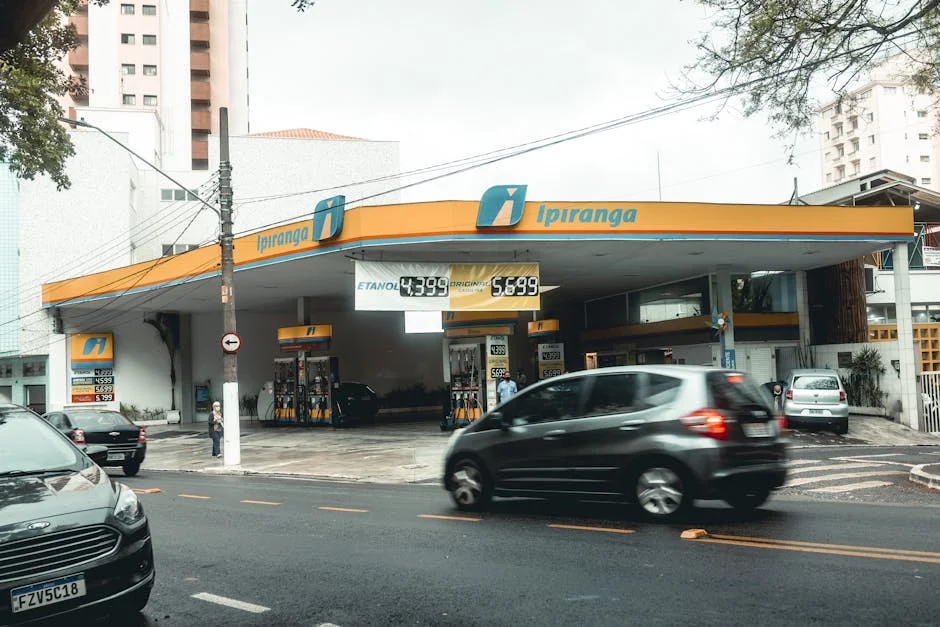
The currency crisis has further exacerbated the problem. The naira has lost nearly 40% of its value against the US dollar this year, making imports more expensive. As a result, the cost of importing Premium Motor Spirit (PMS) has risen sharply, pushing refiners to pass on the burden to consumers. The TUC’s research director, Dr. Chukwuma Nwosu, said the current pricing model is unsustainable for both businesses and households.
Market Reactions and Business Implications


The potential price hike has already sent ripples through Nigeria’s economy. Stock markets, particularly the Nigerian Stock Exchange (NSE), have shown signs of volatility, with energy sector stocks dropping by 6% in the past week. Investors are growing wary of the sector’s stability, with many shifting capital to more predictable assets. The fear of a fuel price shock has also led to increased inflation expectations, with the Central Bank of Nigeria (CBN) warning that consumer price growth could exceed 20% by the end of the year.
Businesses, especially those reliant on transportation, are bracing for the worst. Logistics companies have reported rising operational costs, and some have warned of potential layoffs if fuel prices continue to climb. The Nigerian Association of Chambers of Commerce, Industry, and Agriculture (NACCIMA) has called for a review of fuel subsidies, arguing that the current system is unsustainable and benefits a small segment of the population.
Investor Concerns and Policy Dilemmas
Investors are closely watching the government’s response to the crisis. The Ministry of Finance has hinted at potential reforms, including a partial removal of fuel subsidies, but has not provided a clear timeline. This uncertainty has led to a decline in foreign direct investment (FDI), with several multinational corporations delaying expansion plans. According to the World Bank, Nigeria’s FDI inflows fell by 15% in the first quarter of 2024, the steepest decline in over a decade.
The dilemma for policymakers is whether to maintain subsidies or allow market forces to dictate prices. Subsidies, while popular among consumers, are costly and often misallocated. On the other hand, removing them could trigger social unrest. The TUC has urged the government to find a middle ground, suggesting a phased approach to price adjustments that includes targeted support for low-income households.
Regional Impacts and Cross-Border Concerns
The fuel crisis is not confined to Nigeria alone. Neighboring countries, including Ghana and Benin, have reported increased smuggling of fuel, putting additional pressure on regional markets. The Economic Community of West African States (ECOWAS) has called for a coordinated response, with the regional body’s secretary-general, Jean-Claude Kassi Brou, warning that the situation could destabilise the entire region.
- Smuggling of fuel has increased by 30% in the past year
- ECOWAS has urged a regional fuel strategy
- Neighboring economies face inflationary pressure
What Comes Next?
With the TUC’s warning serving as a wake-up call, the Nigerian government faces mounting pressure to act. The next key step is a scheduled meeting between the Ministry of Petroleum Resources and key stakeholders, including the TUC and NACCIMA, on 20 June. Analysts suggest that any decision made at this meeting could determine whether the fuel crisis escalates further or is brought under control.
For investors, the coming weeks will be crucial. The NSE is expected to release its monthly market report on 15 June, which could provide further insight into the sector’s stability. Meanwhile, businesses are advised to monitor fuel price trends closely and consider cost-cutting measures where possible. As the country stands at a crossroads, the choices made in the coming days will have lasting consequences for the economy and the people who rely on it.