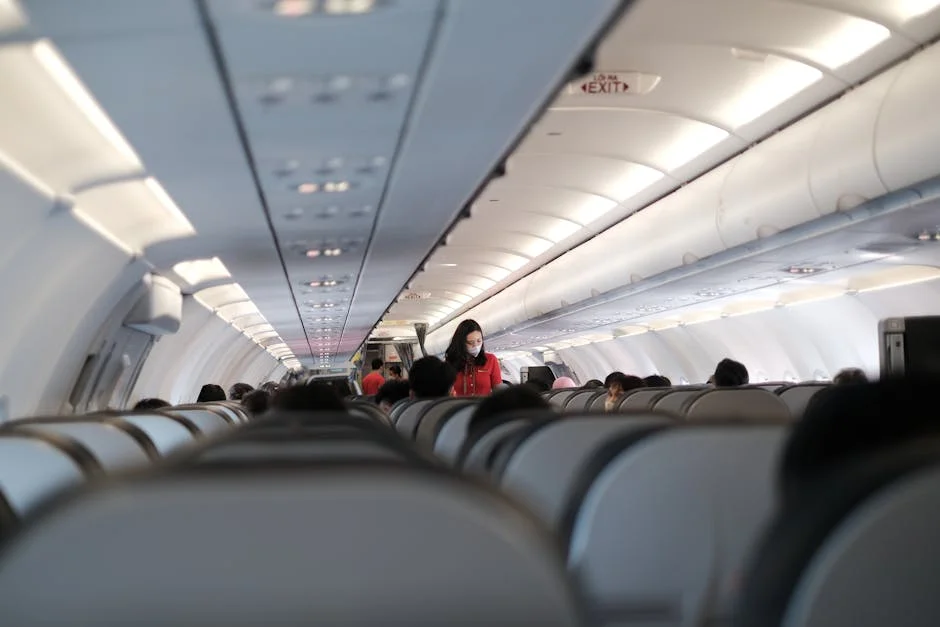
India’s Ministry of Civil Aviation has mandated that all commercial aircraft operating within the country must be upgraded by 2027 to shield them from potential interference caused by 5G and 6G signals. The directive, issued in December, comes as the nation accelerates its rollout of next-generation wireless technology, raising concerns about the compatibility of existing avionics systems with new frequencies. The move has triggered a wave of reactions from aviation companies, telecom firms, and investors who are now navigating the implications of this regulatory shift.
Regulatory Shift Sparks Tech Overhaul
The directive, issued by the Directorate General of Civil Aviation (DGCA), outlines a phased implementation plan to ensure all aircraft are equipped with updated avionics capable of filtering out 5G and 6G signals. The ministry cited studies showing that certain 5G frequencies could interfere with aircraft altimeters, potentially compromising flight safety. The requirement applies to both domestic and international carriers operating within India’s airspace.
The aviation sector faces a significant challenge in meeting the 2027 deadline. Airlines such as IndiGo and Air India have already begun assessing the cost of retrofitting their fleets, with estimates suggesting that the average retrofit could cost between $500,000 and $1 million per aircraft. This could add billions to the operational budgets of airlines already recovering from pandemic-related losses.
Telecom Industry Reacts to New Restrictions


The telecom sector has responded cautiously to the directive, acknowledging the need for safety while expressing concerns about the potential impact on 5G deployment. Bharti Airtel, one of India’s largest telecom providers, stated that the company is working closely with regulators to ensure that 5G networks are deployed in a way that minimises interference with aviation systems. However, some analysts warn that the restrictions could slow the rollout of 5G in the country, particularly in rural areas where the technology is expected to drive digital inclusion.
The DGCA has also announced that it will collaborate with international aviation authorities, including the Federal Aviation Administration (FAA) in the US and the European Union Aviation Safety Agency (EASA), to align India’s standards with global best practices. This cooperation may help streamline the retrofitting process and reduce costs for airlines.
Investor Sentiment and Market Reactions
Investor sentiment has been mixed, with some analysts viewing the directive as a necessary precaution, while others see it as a potential drag on the aviation and telecom sectors. The Indian stock market saw a slight dip in airline shares following the announcement, reflecting concerns over rising operational costs. However, the broader market remained stable, with investors focusing on the long-term benefits of 5G adoption.
On the other hand, the directive has sparked interest in companies offering avionics upgrades and signal filtering technologies. Firms such as Honeywell and Thales have expressed interest in supplying equipment to Indian airlines, highlighting the potential for foreign investment in this sector. This could create new opportunities for technology firms and increase competition in the aviation market.
Broader Economic Implications
The directive underscores the growing tension between technological advancement and safety regulations. As India moves forward with its 5G and 6G ambitions, the aviation industry will need to balance innovation with compliance. This could lead to a more robust regulatory framework for emerging technologies, setting a precedent for other developing economies.
The economic implications are far-reaching. The aviation sector is a key driver of trade and tourism, and any disruption to operations could have ripple effects across the economy. Meanwhile, the telecom sector’s ability to meet the new standards will determine the pace of 5G adoption, which is seen as critical for India’s digital transformation.
Global Comparisons and Lessons Learned
India is not the first country to grapple with the intersection of 5G and aviation safety. The United States and the European Union have also faced similar challenges, with the FAA and EASA implementing strict guidelines to prevent signal interference. In the US, the deployment of 5G near airports was delayed for several months to allow for further testing. India’s approach appears to be more proactive, with a clear timeline for upgrades.
However, the Indian government’s decision to set a 2027 deadline may not be sufficient to avoid disruptions. Some experts argue that a more flexible approach, with regular reviews of signal interference risks, could be more effective in the long run. This debate highlights the complexity of regulating emerging technologies in a rapidly evolving digital landscape.
What to Watch Next
The next key developments to watch include the progress of retrofitting efforts by major airlines, the pace of 5G deployment in India, and any potential changes to the 2027 deadline. The DGCA is expected to release a detailed implementation plan in the coming months, which will provide clarity on the requirements for aircraft operators. Investors and industry stakeholders should monitor these developments closely, as they will shape the future of aviation and telecom in India.
Frequently Asked Questions
What is the latest news about india bans 5g 6g signals on aircraft by 2027 aviation sector braces for tech overhaul?
India’s Ministry of Civil Aviation has mandated that all commercial aircraft operating within the country must be upgraded by 2027 to shield them from potential interference caused by 5G and 6G signals.
Why does this matter for technology-innovation?
The move has triggered a wave of reactions from aviation companies, telecom firms, and investors who are now navigating the implications of this regulatory shift.
What are the key facts about india bans 5g 6g signals on aircraft by 2027 aviation sector braces for tech overhaul?
The ministry cited studies showing that certain 5G frequencies could interfere with aircraft altimeters, potentially compromising flight safety.