Brazil's Central Bank has issued a sharp warning against unregulated cryptocurrency trading, triggering a wave of uncertainty across financial markets. The move comes as the South American nation grapples with inflation and capital flight, with the central bank urging investors to avoid digital assets that lack proper oversight. The announcement, made by Governor Roberto Campos Neto, has sent ripples through both local and international markets, especially affecting Singapore-based crypto firms with exposure to Brazilian investors.
Regulatory Crackdown Sparks Market Volatility
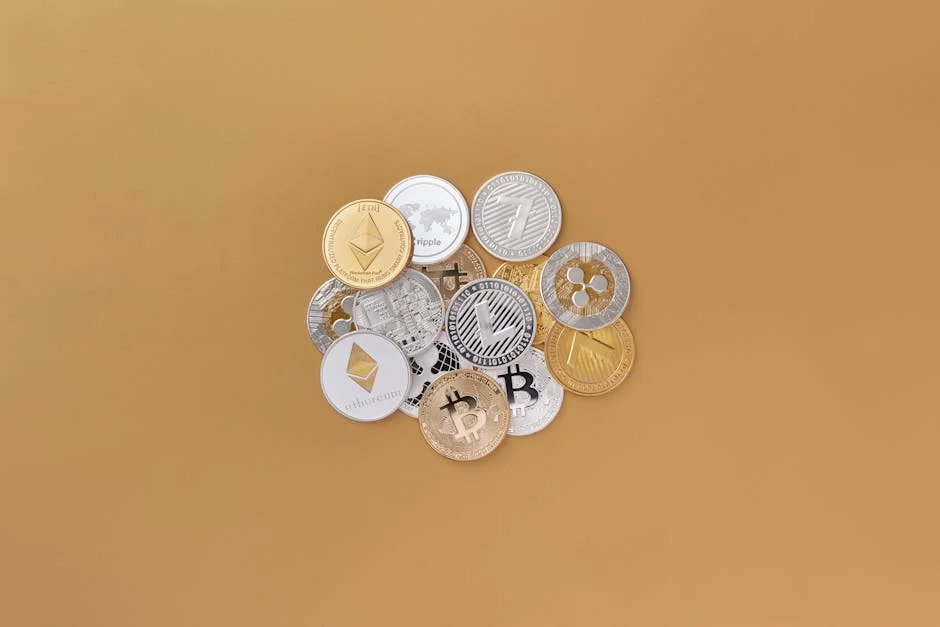
The Central Bank of Brazil released a statement on Monday, reiterating its stance that most cryptocurrencies do not meet the legal and financial requirements to be considered stable or secure. The statement cited a 35% increase in crypto-related fraud cases in 2023, with over 12,000 reported incidents in the first half of the year. This has led to a sharp drop in the value of major cryptocurrencies, with Bitcoin falling by 8% within hours of the announcement.
Investors in Singapore, a major hub for digital asset trading, are now closely watching how Brazilian authorities will enforce the new rules. Many firms, including local crypto exchanges, have already begun reviewing their compliance strategies. “The regulatory environment in Brazil is becoming more unpredictable,” said Maria Silva, a financial analyst at Singapore-based firm FinTech Solutions. “This could lead to a shift in where investors choose to allocate their digital assets.”
Impact on Businesses and Investors


Local businesses in Brazil are also feeling the pressure. The Central Bank's warning has led to a freeze in crypto-based transactions, affecting e-commerce platforms and startups that rely on digital currencies. According to a report by the Brazilian Institute of Economic Research (IBRE), over 200 small businesses have reported a 20% drop in sales since the announcement. This is particularly concerning for entrepreneurs in São Paulo, where the tech sector is a major economic driver.
For Singapore-based investors, the situation raises concerns about the stability of cross-border digital investments. Many have turned to traditional assets, such as gold and government bonds, as a safer alternative. “We’ve seen a significant shift in portfolio allocations,” said James Lee, a fund manager at SG Asset Management. “Investors are now prioritizing regulatory clarity over potential high returns.”
Broader Economic Consequences
The Central Bank’s move is part of a broader effort to stabilize the Brazilian economy, which has been hit by inflation rates exceeding 12% in 2023. By discouraging speculative crypto trading, officials hope to curb capital outflows and encourage more stable financial behavior. However, some economists warn that the crackdown could stifle innovation in the fintech sector. “There’s a fine line between protecting investors and stifling growth,” said Dr. Ana Carolina, an economist at the University of São Paulo.
The impact on Brazil’s GDP is yet to be fully measured, but early indicators suggest a slowdown in digital transactions. According to the National Institute of Statistics, the number of crypto transactions in Brazil fell by 18% in the week following the announcement. This could have long-term implications for the country’s digital economy and its ability to attract foreign investment.
What to Watch Next
The coming weeks will be critical for both Brazilian and international markets. The Central Bank is expected to release more detailed guidelines on crypto regulation by the end of the month, which could further shape investor behavior. In Singapore, regulators are also monitoring the situation closely, with the Monetary Authority of Singapore (MAS) preparing to issue its own guidance on cross-border digital asset investments.
Investors and businesses should remain vigilant as the regulatory landscape continues to evolve. The next major event to watch is the upcoming G20 summit, where global financial leaders will discuss digital currency policies. This could set the tone for future regulations and market trends in the region.