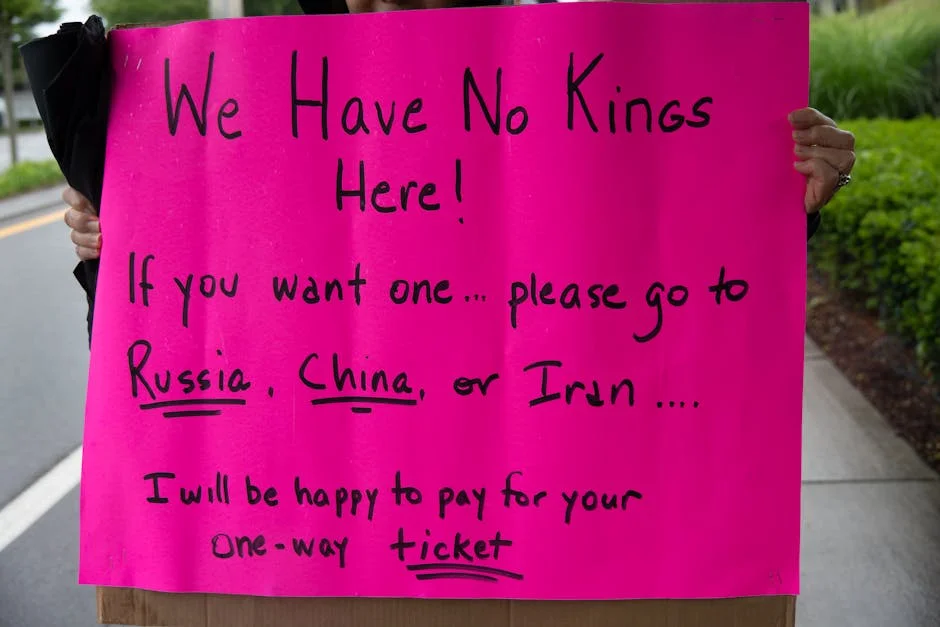
Portugal's Government has publicly called for a ceasefire between the United States and Iran, urging diplomatic de-escalation amid rising geopolitical tensions. The move comes as global markets remain volatile, with investors closely monitoring the situation for potential economic fallout. The statement, made by Foreign Minister Madalena Moreira, highlights Portugal's role as a neutral mediator in international conflicts.
Portugal's Role in Geopolitical Tensions
Madalena Moreira, Portugal's Foreign Minister, issued a statement on Thursday urging both the US and Iran to halt hostilities. "We call on all parties to prioritise dialogue over conflict," she said, adding that the situation risks destabilising global trade and energy markets. The statement follows recent clashes in the Middle East, where tensions between the two nations have escalated over regional security and nuclear issues.
Portugal, a key member of the European Union, has long positioned itself as a diplomatic bridge between major powers. Its call for a ceasefire is seen as part of a broader effort to prevent a wider conflict that could disrupt global supply chains. The country's strategic location and historical ties to both the US and Iran make its stance particularly significant in the current geopolitical climate.
Market Reactions to the Diplomatic Move

Global markets reacted cautiously to Portugal's statement, with the FTSE 100 and DAX indices showing minor fluctuations. The London-based investment firm Aviva reported that its portfolio managers are closely watching the situation, particularly how it might affect energy prices. "Any escalation in the Middle East could lead to a sharp rise in oil prices, which would have ripple effects across the global economy," said a spokesperson.
Oil prices, which had been stable for weeks, saw a slight increase following the announcement. Brent crude rose by 0.6% to $85.20 per barrel, according to data from the International Energy Agency. Analysts warn that even a short-term disruption in the Strait of Hormuz could send prices soaring, impacting businesses and consumers worldwide.
Business and Investor Implications
Businesses reliant on global trade are closely monitoring the situation. The Confederation of Portuguese Chambers of Commerce (CCP) issued a statement noting that any prolonged conflict could disrupt shipping routes and increase logistics costs. "Our members are concerned about potential supply chain disruptions, especially in sectors like manufacturing and agriculture," said CCP director João Ferreira.
Investors are also adjusting their strategies. The Portuguese stock exchange saw a 1.2% drop in the PSI 20 index on Friday, with analysts suggesting that risk-averse investors are shifting funds to safer assets. "This is a defensive move," said Maria Santos, an economist at the Lisbon School of Economics. "If tensions escalate, we could see a broader market correction."
What to Watch Next
Portugal's call for peace is likely to be followed by more diplomatic efforts from the EU and other international bodies. The European Commission has indicated it is preparing a statement on the situation, which is expected to be released by the end of the week. Investors should also watch for any changes in energy prices and how major economies respond to the evolving conflict.
As the situation develops, the economic implications for Portugal and the broader region remain unclear. The Government’s emphasis on diplomacy reflects a strategic effort to maintain stability, but the global market's reaction shows that the risks are still high. Investors and businesses must stay alert to any new developments in the coming days.