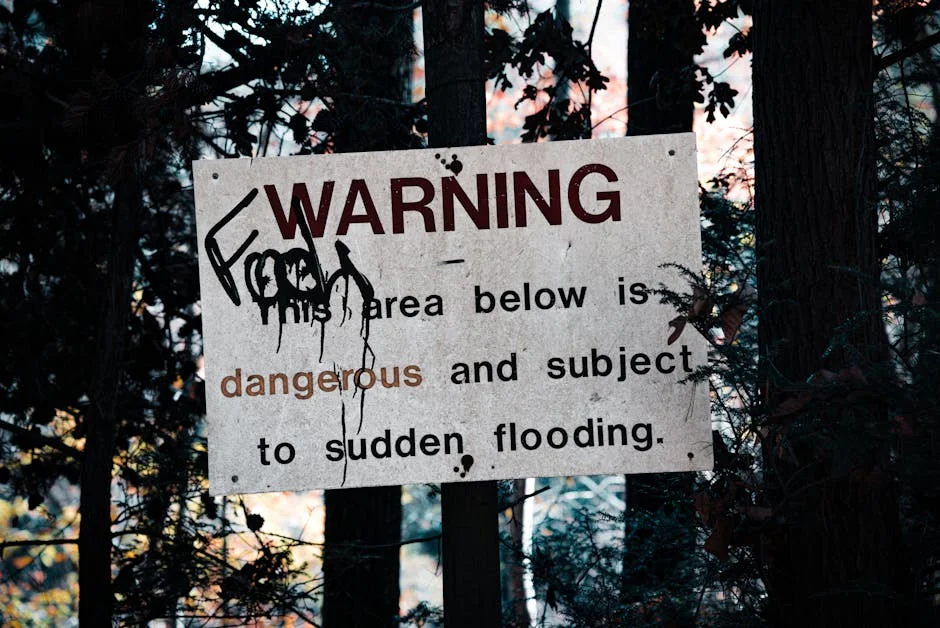
The South African Weather Service has issued severe storm warnings for the North West and Free State provinces, with heavy rainfall and strong winds expected to hit from April 12. The forecast, released on April 10, highlights the risk of flash floods and disrupted transport, prompting local authorities to prepare emergency response teams. The announcement comes as the region experiences one of the most unsettled April weather patterns in recent years, raising concerns among businesses and investors.
Storms Disrupt Agriculture and Transport
The North West province, a key agricultural hub, is particularly vulnerable to the extreme weather. Farmers in the region, including those in the Rustenburg area, are already reporting concerns over crop damage and delayed planting. "The timing is terrible," said Thandiwe Mokoena, a farmer from Mafikeng. "We were hoping for stable conditions to start the planting season, but these storms could set us back weeks."
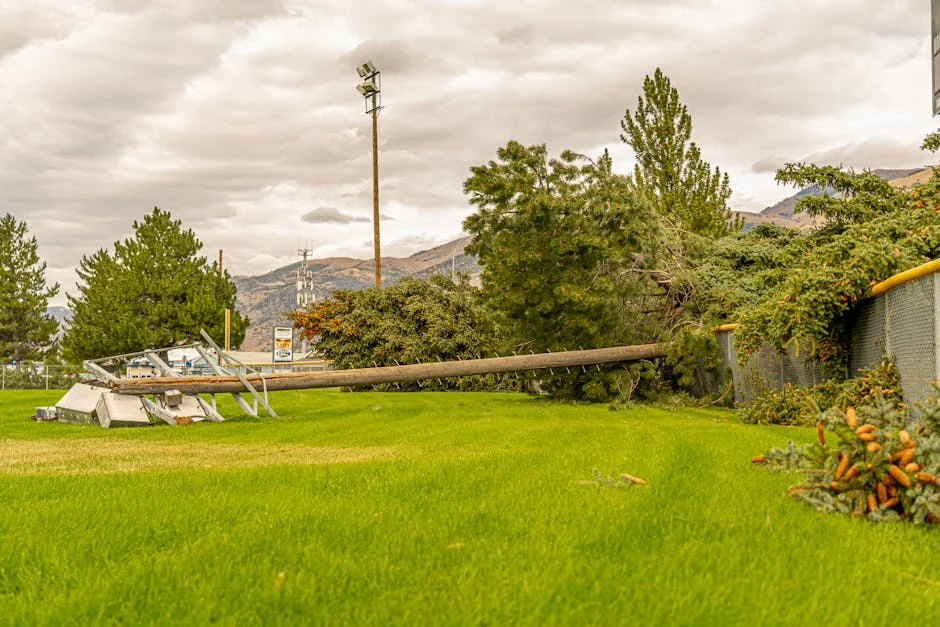
The transport sector is also feeling the pressure. The Department of Transport has warned that road networks, especially in the Free State, could face closures due to flooding. This could impact supply chains, particularly for companies reliant on regional distribution. Logistics firms have begun adjusting schedules, with some delaying shipments to avoid the worst of the weather. The disruption may lead to higher costs for businesses and, potentially, inflationary pressures in the short term.
Impact on Energy and Infrastructure


Energy providers are on high alert as the storms threaten to damage power lines and disrupt electricity supply. Eskom, the national power utility, has confirmed that it is monitoring the situation closely and is prepared to respond to outages. However, the potential for widespread power cuts could further strain the already fragile grid, which has struggled with load-shedding in recent months.
Infrastructure experts warn that the region’s aging drainage systems may not cope with the heavy rain. In the North West, cities like Mahikeng and Klerksdorp are among the most at risk. Local municipalities have begun inspecting flood barriers and drainage channels, but many residents remain skeptical about the effectiveness of the measures. "We’ve seen this before—when the rains come, the city floods," said David Nkosi, a resident of Mmabatho.
Businesses Prepare for Uncertainty
Local businesses, especially those in the retail and construction sectors, are taking precautions. Retailers in the Free State have increased stock levels of essential goods, anticipating potential supply chain delays. Meanwhile, construction projects have been paused in some areas as workers and equipment are moved to safer locations.
Investors are also watching closely. The uncertainty surrounding the weather has led to increased volatility in the Johannesburg Stock Exchange, with shares in utility and transport companies fluctuating. Analysts suggest that the market will remain cautious until the situation stabilizes. "The key question is how long the disruption lasts and whether it affects the broader economy," said Luvuyo Mthembu, an economist at the University of Pretoria.
Regional and Global Economic Implications
The North West and Free State provinces are major contributors to South Africa’s agricultural and mining output. Any prolonged disruption could have ripple effects on the national economy, particularly if exports are delayed. The region’s role in supplying crops such as maize and wheat makes it a key player in regional food security.
For Singaporean investors, the situation highlights the interconnectedness of global markets. South Africa is a major trading partner for Singapore, particularly in the agricultural and mineral sectors. A slowdown in production or export could affect supply chains and pricing in Southeast Asia. The Singapore Economic Development Board has issued a statement urging businesses to monitor the situation closely.
What to Watch Next
The South African Weather Service will provide updates every 12 hours, with the worst of the storms expected to pass by April 15. Local authorities are preparing for possible evacuations in high-risk areas, while businesses are advised to review contingency plans. Investors should keep an eye on the impact on the rand and commodity prices, which may fluctuate in response to the weather.
As April progresses, the full economic impact of the storms will become clearer. For now, the focus remains on preparedness and resilience in the face of unpredictable weather patterns.
Frequently Asked Questions
What is the latest news about north west braces for severe storms as weather service warns of flood risks?
The South African Weather Service has issued severe storm warnings for the North West and Free State provinces, with heavy rainfall and strong winds expected to hit from April 12.
Why does this matter for economy-business?
The announcement comes as the region experiences one of the most unsettled April weather patterns in recent years, raising concerns among businesses and investors.
What are the key facts about north west braces for severe storms as weather service warns of flood risks?
Farmers in the region, including those in the Rustenburg area, are already reporting concerns over crop damage and delayed planting.