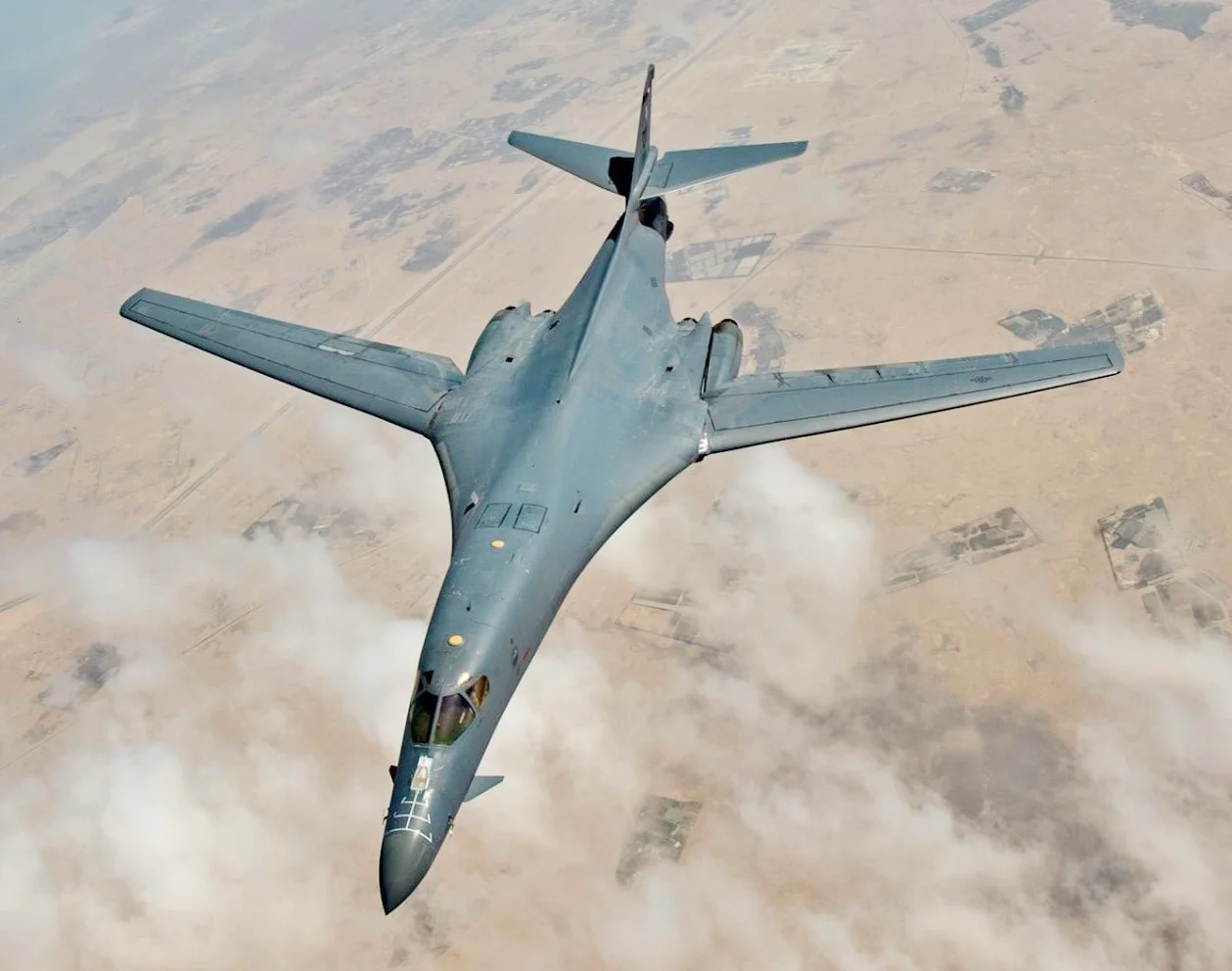
US and Israeli forces carried out a targeted strike in Damascus, killing Iranian Revolutionary Guard Corps (IRGC) intelligence chief Majid Khademi, according to Iranian state media. The attack, reported on Tuesday, marks a significant escalation in regional tensions and has immediately triggered market volatility across the Middle East and global financial centres.
Immediate Market Reactions
The strike sent shockwaves through financial markets, with the Dubai Financial Market index dropping 2.3% within hours of the news. Oil prices surged, with Brent crude rising over 4% as traders anticipated potential disruptions to supply routes in the region. The Israeli shekel also weakened, reflecting concerns about a broader conflict.
Investors are closely watching for signs of further escalation. The US dollar strengthened against regional currencies, with the UAE dirham losing 1.8% against the greenback. Analysts warn that any prolonged instability could lead to a sharp rise in global energy costs, impacting inflation and consumer spending.
Business Implications in the Region

Businesses in the Middle East are already feeling the ripple effects. A major logistics firm in Dubai, Almarai, announced it is reviewing its supply chain operations in response to the heightened security risks. "We are prioritising the safety of our employees and ensuring our operations remain resilient," said a company spokesperson.
Trade routes through the Suez Canal and the Strait of Hormuz are under increased scrutiny. The Suez Canal Authority reported a 15% increase in vessel traffic over the past week, as companies seek alternative shipping paths. This could lead to higher freight costs and delays in global trade.
Investor Sentiment and Portfolio Adjustments
Investors are reassessing their exposure to Middle East assets. The London-based investment firm PIMCO has shifted $200 million from regional equities to safer assets, citing the risk of further conflict. "The geopolitical landscape is becoming more unpredictable, and we need to protect capital," said a senior portfolio manager.
Regional stock markets have seen a wave of sell-offs, with the Tel Aviv Stock Exchange closing 3.1% lower. Some analysts suggest that the long-term impact on investor confidence could be more severe than the immediate market reaction.
Regional Political Fallout
The assassination of Majid Khademi has prompted a strong response from Iran. The Iranian Ministry of Foreign Affairs issued a statement condemning the attack as an "act of war" and warning of "severe consequences." This rhetoric has raised concerns about a potential retaliatory strike, which could further destabilise the region.
Neighbouring countries, including Saudi Arabia and the United Arab Emirates, have called for de-escalation. In a rare joint statement, the Gulf Cooperation Council (GCC) urged all parties to avoid actions that could lead to "widespread conflict." However, the situation remains volatile, with no clear resolution in sight.
Historical Context and Strategic Significance
Majid Khademi was a key figure in Iran's intelligence operations, playing a central role in managing the country's networks in Syria, Iraq, and Lebanon. His death is seen as a major blow to Iran's regional influence, particularly in its efforts to maintain control over proxy groups in the Levant.
Historically, the assassination of high-ranking Iranian officials has often led to retaliatory actions. In 2020, the killing of Qasem Soleimani in a US drone strike led to a significant escalation in tensions, including attacks on US facilities in Iraq. Analysts warn that the current situation could follow a similar trajectory.
What to Watch Next
The coming days will be critical in determining the trajectory of the conflict. Iran is expected to issue a formal response, and regional allies may take steps to bolster their military presence. The US and Israel are also likely to continue their surveillance and intelligence operations in the area.
Investors should monitor key indicators, including oil prices, regional currency movements, and geopolitical developments in the Middle East. A prolonged crisis could lead to a broader economic slowdown, particularly in emerging markets that are heavily reliant on global trade and energy imports.