Teenagers in Singapore are increasingly using AI chatbots for emotional support, role-playing, and even harassment, according to a recent survey by the Ministry of Social and Family Development. The report, released in early May, reveals that 42% of teenagers aged 13–18 have used chatbots for confidential conversations, with many describing the interactions as more trustworthy than talking to peers or adults.
Chatbots Offer New Form of Emotional Outlet
The rise of AI-driven chatbots has given young users a sense of anonymity and control, especially in a highly connected society like Singapore. The Ministry’s report highlights that 28% of teens use chatbots to role-play scenarios, while 15% engage in simulated conversations that mimic real-life relationships. This trend is particularly pronounced among students in the city’s secondary schools, where peer pressure and academic stress are common.
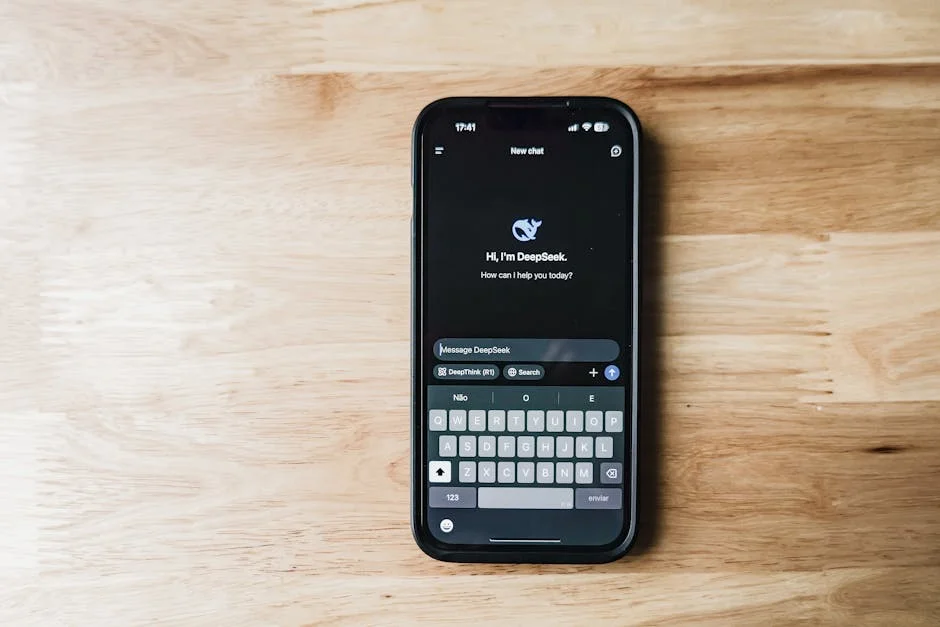
“These chatbots provide a safe space for teens to express themselves without fear of judgment,” said Dr. Lim Wei Lin, a psychologist at the Singapore Institute of Mental Health. “But the lack of human oversight raises concerns about emotional dependency and the potential for harmful interactions.”
Business Implications for Tech Companies

The growing reliance on chatbots has not gone unnoticed by tech firms. Companies like Alibaba Cloud and Google have seen increased interest in their AI platforms, with some developing chatbots specifically tailored for youth engagement. In Singapore, startups such as MindBloom and AIWellness are capitalising on this demand, offering mental health-focused AI tools that claim to provide real-time emotional support.
Investors are watching closely. A recent report by DBS Bank noted that AI-driven mental health platforms could become a $2 billion market in Southeast Asia by 2027. “This trend is reshaping the tech landscape, with a focus on ethical AI and user safety,” said analyst Rachel Tan. “Companies that fail to address these concerns risk losing trust and market share.”
Market Reactions and Investor Sentiment
Stocks of AI-focused firms have seen a modest rise following the Ministry’s findings. In May, the Singapore Exchange (SGX) recorded a 2.3% increase in shares of AI startups, with MindBloom’s stock rising 4.1% in a single week. Analysts suggest this is driven by growing interest in mental health tech and the potential for scalable solutions.
However, not all investors are optimistic. Some warn that the long-term viability of chatbot-based mental health tools remains uncertain. “These platforms may offer short-term relief, but they can’t replace professional therapy,” said financial advisor James Wong. “Investors should approach this sector with caution.”
Regulatory Challenges and Ethical Concerns
The surge in chatbot usage has also sparked regulatory debates. The Singapore Personal Data Protection Commission (PDPC) has begun reviewing data privacy policies for AI platforms, aiming to ensure that user information is protected. “We must balance innovation with responsibility,” said PDPC Commissioner Wong Yen Hui. “Teens deserve platforms that are both engaging and secure.”
Meanwhile, concerns over harassment and inappropriate content persist. A 2023 study by the National University of Singapore found that 12% of teens had encountered harmful or manipulative chatbot interactions. This has led to calls for stricter content moderation and clearer guidelines for AI developers.
Impact on Education and Social Services
The education sector is also feeling the ripple effects. Schools in Singapore have started incorporating AI literacy into their curriculums, teaching students how to engage with chatbots responsibly. “We need to prepare the next generation for a world where AI is everywhere,” said Principal Tan Mei Ling at Nanyang Girls’ High School. “But we also need to teach them to be critical of what they see and hear.”
Social services are adapting as well. The Ministry of Social and Family Development has launched a pilot programme to integrate AI tools into youth counselling, aiming to improve accessibility and reduce wait times for support.
What Comes Next?
As the use of AI chatbots among teens continues to grow, regulators, educators, and investors will need to work together to ensure that the technology is used ethically and effectively. The next major step will be the release of updated AI guidelines by the PDPC in late 2024, which could set new standards for chatbot developers across the region. Investors will also be watching for new funding trends and regulatory shifts that could shape the future of mental health tech in Singapore and beyond.