Telstra, Australia's largest telecommunications company, has faced growing criticism after announcing what customers are calling "unreasonable" price increases. The moves have sparked public backlash, with some users threatening to switch providers or cancel services altogether. The decision comes amid rising operational costs and inflation, but critics argue that the hikes are disproportionate and could erode customer trust.
The price adjustments, which include a 12% increase in mobile plans and a 9% rise in broadband services, were unveiled in late April. The company cited rising network maintenance costs and the need to invest in 5G infrastructure as key reasons for the hikes. However, the announcement has been met with skepticism, especially as competitors like Optus and Vodafone have kept their pricing relatively stable.
Telstra's Pricing Strategy and Market Reactions
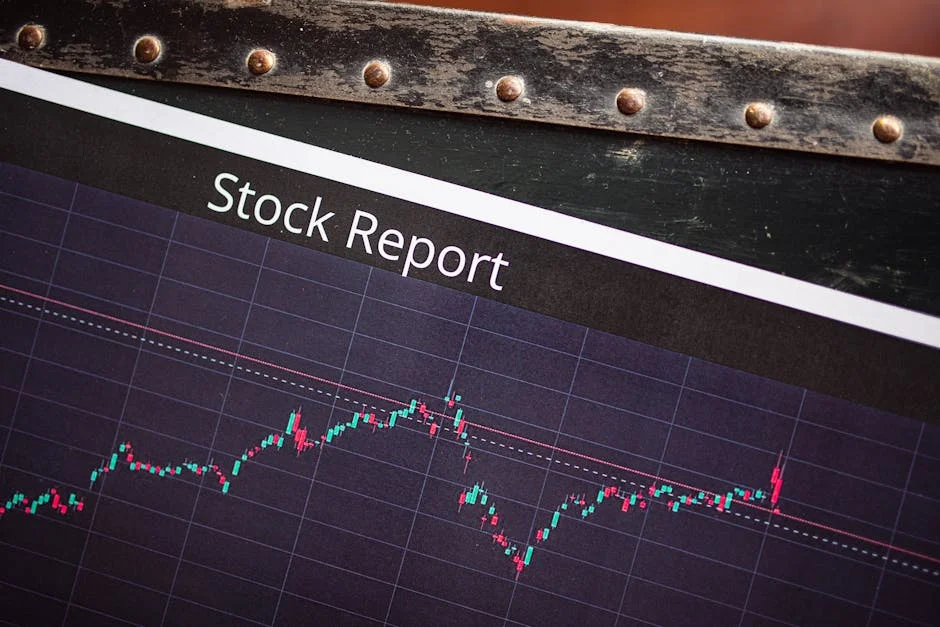
The pricing strategy has raised concerns among investors and industry analysts. Telstra's share price fell by 2.3% in the days following the announcement, reflecting investor uncertainty about the long-term impact on customer retention. The move also comes at a time when the Australian telecom market is highly competitive, with customers increasingly sensitive to price changes.
Market analysts have warned that if Telstra fails to balance cost management with customer satisfaction, it could face a significant loss of market share. "This is a wake-up call for Telstra," said Sarah Mitchell, a telecommunications analyst at SG Research. "If they don't address customer concerns, they risk losing a large portion of their user base to more affordable alternatives."
Impact on Businesses and Consumers


The price hikes are likely to have a ripple effect on businesses that rely on Telstra's services. Small and medium-sized enterprises (SMEs) that depend on stable and affordable connectivity may face increased operational costs. Some businesses have already begun exploring alternative providers, with a reported 15% increase in inquiries to Optus and Vodafone in the past month.
For consumers, the increases could lead to higher monthly expenses, especially for those on budget plans. The Australian Competition and Consumer Commission (ACCC) has been monitoring the situation closely, with officials suggesting that the regulator may need to step in if the pricing becomes anti-competitive.
Investor Perspective and Economic Implications
From an investment standpoint, the situation highlights the risks of overreaching in pricing strategies. Telstra's stock has been volatile in recent months, and the price hikes have only added to the uncertainty. Investors are now watching closely to see whether the company can maintain its market leadership or if the backlash will lead to long-term damage.
Economically, the issue reflects a broader challenge in the telecommunications sector. As inflation continues to rise, companies are under pressure to maintain profitability, but at the same time, they must balance this with customer expectations. If Telstra's strategy fails, it could set a precedent for other companies to reconsider their pricing models in the region.
What's Next for Telstra and the Market?
Telstra has not yet responded to the backlash, but the company may need to revise its strategy to retain customers and stabilize its share price. Some experts suggest that offering more flexible plans or discounts for long-term customers could help mitigate the damage. The company is also expected to provide more details on its long-term investment plans in the coming weeks.
For now, the situation remains a key focus for Telstra analysis SG and other regional observers. The outcome of this pricing strategy will not only determine the company's future but also shape the broader telecommunications landscape in Australia and beyond.