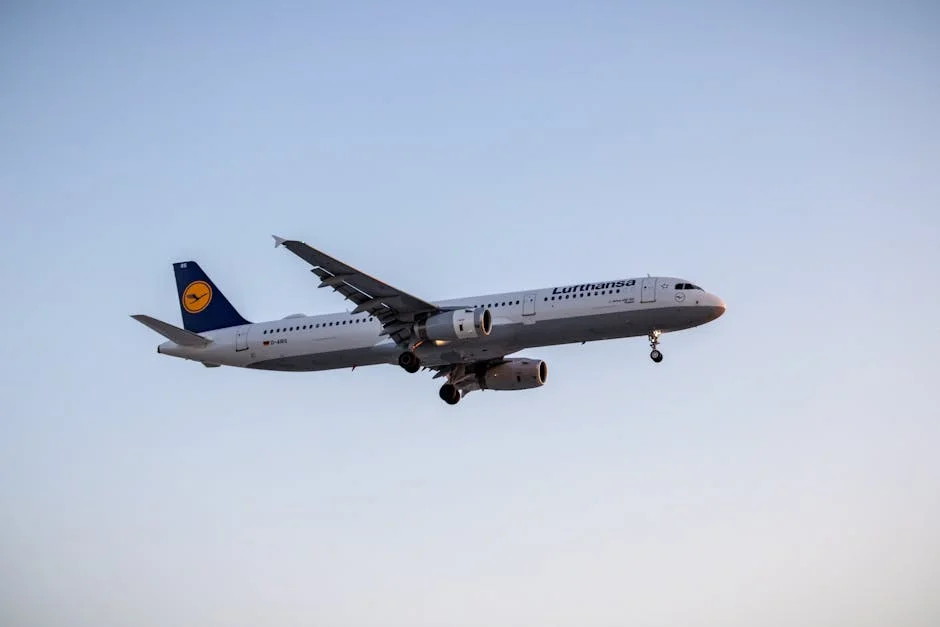
Europe's air travel sector faced another turbulent week as Lufthansa, Germany's largest airline, fell more than 3% following a broader decline in regional aviation stocks. The drop came as economic uncertainty and rising fuel costs weighed on the industry, with investors closely watching the airline's performance amid broader market instability. The situation has raised concerns about the sector's recovery, especially in the wake of the pandemic and ongoing geopolitical tensions.
Market Reactions and Investor Sentiment
Lufthansa's share price decline was part of a broader slump in Europe's aviation sector, with airlines across the region struggling to maintain profitability. The stock fell to its lowest level in months, reflecting fears over declining demand and operational challenges. Analysts noted that the airline's performance is being closely monitored by investors, who are wary of further losses as energy prices and inflation remain elevated.
The broader European stock market also saw weakness, with the Stoxx 600 Airlines index dropping 2.5% over the week. This has led to increased scrutiny of the sector's long-term viability, with some investors questioning whether airlines can sustain growth without significant cost-cutting measures. The situation has prompted a reevaluation of investment strategies in the travel and transportation sectors.
Operational Challenges and Financial Strain


Lufthansa has been grappling with a range of operational issues, including staff shortages and disruptions caused by strikes. The airline has also been hit by rising fuel costs, which have significantly increased its operating expenses. In a recent earnings report, the company warned that it may need to adjust its capacity in response to lower-than-expected demand, particularly in the corporate travel segment.
These challenges have led to calls for government support, with some industry leaders urging policymakers to provide additional financial aid to prevent further job losses. However, with many European countries facing their own economic pressures, the likelihood of immediate relief remains uncertain. This has left airlines like Lufthansa in a precarious position, with limited options for short-term recovery.
Impact on Businesses and the Economy
The decline in Lufthansa's stock has broader implications for businesses across Europe, particularly those reliant on air travel for trade and tourism. The airline's performance is a key indicator of the region's economic health, and its struggles could have a ripple effect on related industries, including hospitality, logistics, and retail.
For Singapore investors, the situation highlights the interconnectedness of global markets. As one of the world's major financial hubs, Singapore's economy is closely tied to European trade and investment flows. A prolonged downturn in the region's aviation sector could affect Singapore-based companies that operate in or depend on European markets.
What to Watch Next
Investors are now closely watching Lufthansa's next earnings report, which will provide further insight into the airline's financial health and its ability to navigate the current crisis. Analysts are also monitoring broader economic indicators, including inflation data and interest rate decisions, which could influence the sector's future outlook.
For Singapore investors, the situation underscores the importance of diversifying portfolios and staying informed about global market trends. With the aviation sector facing headwinds, it may be prudent to reassess investment strategies and consider alternative opportunities that offer more stability in the current economic climate.