Spain's Government has abruptly closed its airspace to all flights following a series of security threats reported by intelligence agencies. The decision, announced late Tuesday, has led to the immediate suspension of commercial and private air traffic across the country, affecting thousands of passengers and disrupting international trade routes. The move comes amid heightened concerns over potential attacks on critical infrastructure, with the Government citing "unprecedented security risks" as the primary reason.
Security Measures and Immediate Impact
The Spanish Government issued a directive through the National Aviation Safety Authority (AESA) to ground all flights, including those operated by major carriers like Iberia and Ryanair. Airports in Madrid, Barcelona, and Seville were quickly evacuated, with passengers stranded and logistics chains thrown into disarray. The measure has raised alarms among businesses reliant on air transport, particularly those in the logistics and tourism sectors.
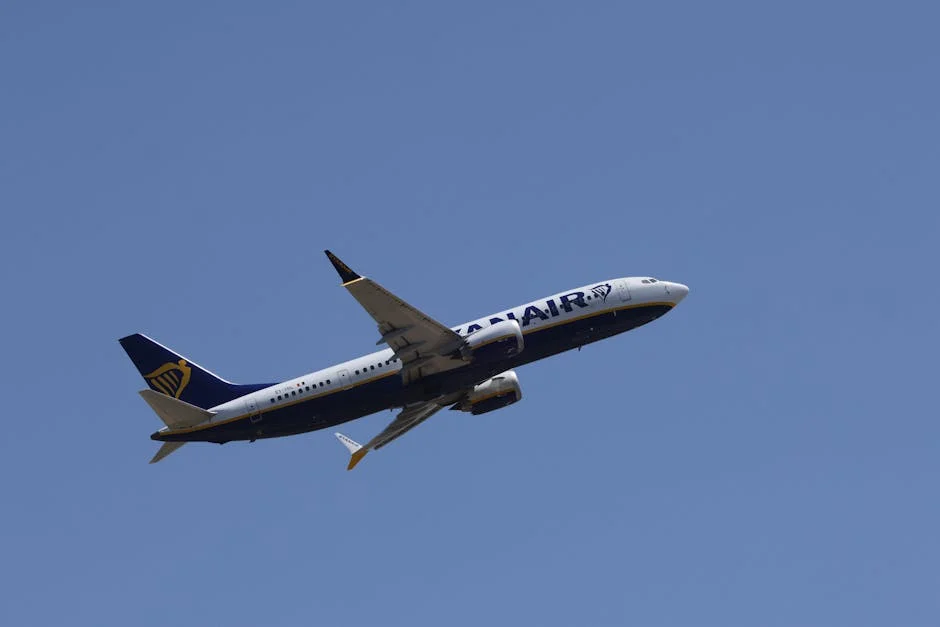
Spain's airspace closure is one of the most significant security-related disruptions in recent years. The Government has not disclosed the specific nature of the threat, but officials have confirmed that it involves "external actors with access to sensitive information." The move has also led to increased scrutiny of cybersecurity protocols in the aviation sector, with the Government promising to conduct an emergency review of all digital infrastructure.
Market Reactions and Investor Sentiment


Global markets reacted swiftly to the news, with European airline stocks experiencing sharp declines. Iberia's shares fell nearly 6% in early trading, while the broader European airline index dropped by 3.2%. Investors are now closely watching for any indication of how long the airspace closure will last and whether it could trigger broader economic repercussions.
The disruption is also having ripple effects on global supply chains. Spain is a key logistics hub, and the sudden halt in air traffic has led to delays in the movement of high-value goods, including pharmaceuticals and electronics. Some companies have already begun rerouting shipments through alternative routes, but this is expected to increase costs and reduce efficiency in the short term.
Business Implications and Sector Response
The tourism sector, which accounts for nearly 12% of Spain's GDP, is facing an immediate crisis. With flights suspended, travel agencies and hotel chains are reporting a sharp drop in bookings, particularly for international visitors. The Spanish Hotel Association has called for emergency support from the Government, warning that the sector could suffer long-term damage if the disruption continues.
Logistics companies are also preparing for extended delays. DHL and FedEx have announced that they are working with Spanish authorities to identify alternative routes, but the lack of air connectivity is forcing them to rely more heavily on sea and land transport, which is both slower and more expensive. This shift could lead to higher operational costs and reduced service levels for customers.
Economic and Investment Outlook
Analysts are warning that the airspace closure could have broader economic implications, particularly for Spain's trade relationships. The country is a major exporter of agricultural products, and the disruption in air freight could affect the timely delivery of perishable goods. This, in turn, could lead to increased prices and reduced consumer confidence.
Investors are now closely monitoring the Government's response. If the airspace remains closed for an extended period, it could lead to a reassessment of Spain's economic stability and security environment. This may impact foreign direct investment and increase borrowing costs for both the Government and private sector.
What to Watch Next
The Spanish Government has not yet provided a timeline for when the airspace might reopen. However, officials have indicated that the decision will be reviewed daily based on the evolving security situation. Meanwhile, international airlines are working to reschedule flights and provide alternative travel options for stranded passengers.
For investors and businesses, the key issue will be how quickly Spain can restore normal operations and whether the disruption leads to long-term changes in the country's security and logistics strategies. The situation also highlights the growing vulnerability of global supply chains to sudden, large-scale disruptions.