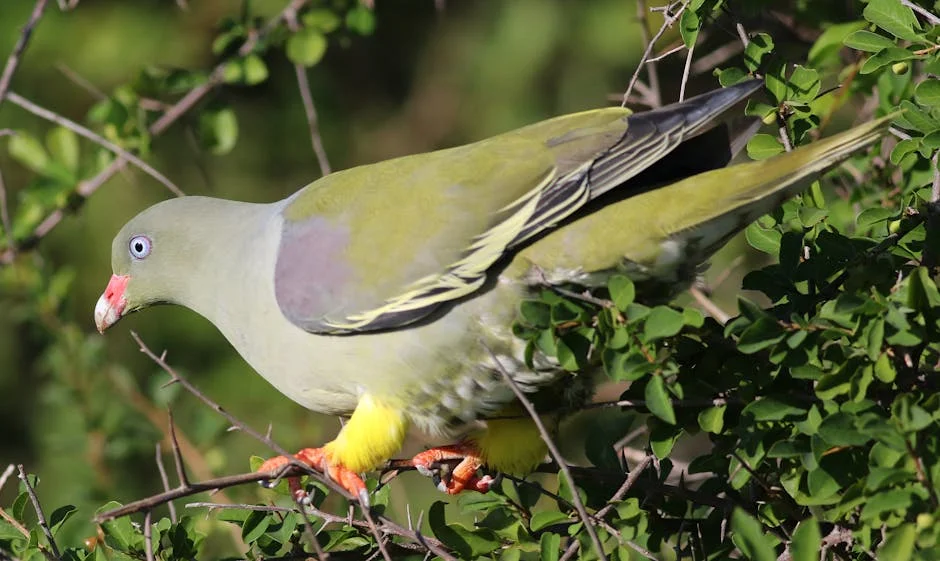
South Africa has halted the development of the Malachite Bird Hide in the Garden Route National Park, sparking concerns among conservationists and the tourism sector. The decision, announced by the Department of Forestry, Fisheries and the Environment, comes amid growing pressure to protect the region’s biodiversity. The site, located near the coastal town of Wilderness, was a key attraction for birdwatchers and eco-tourists, drawing visitors from across the globe, including Singapore and other Asian markets.
Conservation Concerns and Economic Impact
The Malachite Bird Hide, a popular spot for observing rare avian species, was set to be expanded to accommodate increasing visitor numbers. However, the project faced opposition from environmental groups who argued that the expansion would disrupt the delicate ecosystem. The government’s decision to halt the development is seen as a win for conservationists but a blow to local businesses that rely on tourism. The Garden Route National Park is a major economic driver in the region, contributing significantly to the local and national economy through job creation and revenue generation.
Local tour operators and hospitality providers have expressed concern over the impact on their businesses. “This decision could have a ripple effect on the entire tourism value chain,” said a representative from the Wilderness Tourism Association. “We are worried about the loss of potential revenue and the long-term effects on our community.” The move also raises questions about the government’s commitment to balancing conservation with economic growth, particularly in a country where tourism is a key source of foreign exchange.
Investor and Market Reactions


Investors in the South African tourism sector have reacted cautiously to the news. Shares of major tourism companies saw a slight decline following the announcement, as uncertainty loomed over the future of the industry. The decision has also raised concerns among foreign investors, particularly those from Singapore, where tourism is a key sector. “Any disruption to South Africa’s natural attractions could have a direct impact on investment flows,” said an analyst from a Singapore-based financial firm. “The region’s biodiversity is a major draw, and any setback could affect long-term growth prospects.”
The Malachite Bird Hide was not just a local attraction but also a key part of South Africa’s broader eco-tourism strategy. The country has been investing heavily in sustainable tourism initiatives, aiming to position itself as a top destination for nature-based travel. The halt in development could slow down these efforts, potentially affecting South Africa’s ability to compete with other African destinations that are more proactive in supporting tourism infrastructure.
Broader Implications for South Africa’s Economy
The decision to stop the Malachite Bird Hide expansion highlights the growing tension between environmental protection and economic development in South Africa. While conservation is critical for maintaining the country’s natural heritage, the tourism sector is a vital component of the economy, especially in rural areas. The government’s move has prompted calls for a more balanced approach that supports both environmental goals and economic growth.
Analysts suggest that the long-term impact will depend on how the government addresses the concerns raised by environmental groups. “If the focus is on sustainable development rather than outright opposition, there may still be a way forward,” said an economist specializing in African markets. “But without a clear strategy, the sector risks losing out on potential opportunities.”
What’s Next for Malachite Bird Hide?
As the debate over the Malachite Bird Hide continues, stakeholders are closely watching for further developments. Environmental groups are pushing for a more comprehensive environmental impact assessment, while business leaders are calling for dialogue to find a solution that benefits both the ecosystem and the economy. The outcome of this discussion could set a precedent for future projects in South Africa’s protected areas.
For investors and businesses, the situation underscores the importance of understanding the complex interplay between environmental policy and economic development. South Africa’s ability to navigate this balance will be crucial in maintaining its position as a key player in the global tourism market. The Malachite Bird Hide, once a symbol of natural beauty, now stands as a test case for the country’s commitment to sustainable growth.