The government announced temporary relief measures on Wednesday as fuel prices continued to rise, sparking concerns among businesses and investors about the broader economic impact. The decision comes amid growing pressure from consumers and industry groups who are struggling with the rising cost of living. The move aims to ease short-term financial strain but has raised questions about long-term policy and market stability.
The sudden increase in fuel prices, which took effect on Wednesday, has been attributed to global supply chain disruptions and fluctuating oil prices. The government's intervention includes a temporary reduction in excise duties, which will lower the price of petrol and diesel by approximately 10% for the next two months. While the measure is expected to provide immediate relief, analysts warn that it may not be enough to counter the broader inflationary pressures facing the economy.
Market Reactions and Investor Sentiment

Financial markets reacted cautiously to the announcement, with the local stock index showing a slight decline as investors weighed the implications of the temporary relief. The move has been seen as a short-term fix rather than a sustainable solution, leading to uncertainty among investors. Some analysts suggest that the government may need to consider more structural reforms to address the underlying causes of rising fuel costs.
Oil companies have also expressed mixed reactions. While some welcomed the temporary relief, others cautioned that the policy could lead to reduced investment in domestic refining capacity. This could further complicate the country's energy security in the long run. The impact on the stock prices of major fuel retailers remains to be seen, but early signs suggest a cautious approach from the market.
Business Implications and Supply Chain Concerns
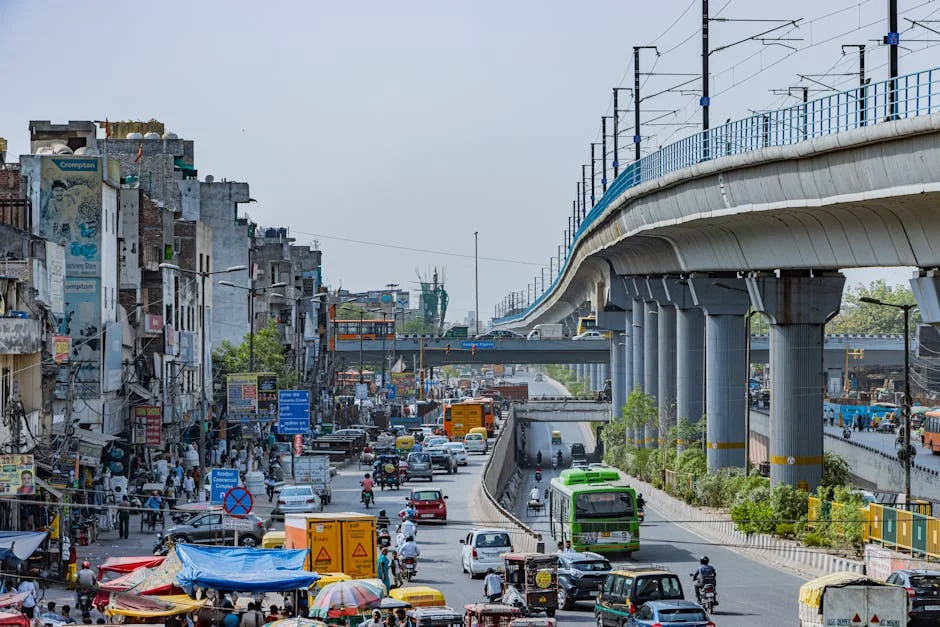

Businesses across various sectors are closely monitoring the situation, particularly those reliant on transportation and logistics. The rising cost of fuel has already begun to affect operating expenses, leading some companies to consider passing on the costs to consumers. This could further fuel inflation and reduce consumer spending, which is a key driver of economic growth.
Transportation and delivery firms are among the hardest hit, with many reporting increased costs that could lead to higher service charges. Small and medium-sized enterprises (SMEs) are particularly vulnerable, as they have limited capacity to absorb additional expenses. Industry leaders have called for more comprehensive support from the government to mitigate the impact on businesses and maintain economic stability.
Economic Outlook and Policy Challenges
Economists are closely watching the government's response to the fuel price surge, as it could have wider implications for inflation and economic growth. The central bank has already signaled concerns about the potential for sustained price increases, which could lead to tighter monetary policy in the coming months. This could, in turn, affect borrowing costs and investment levels across the economy.
The temporary relief measures highlight the challenges facing policymakers in balancing short-term relief with long-term economic stability. While the government has taken a proactive approach, the effectiveness of the measures will depend on how well they are implemented and whether they address the root causes of the fuel price increases. Analysts suggest that a more coordinated strategy involving energy diversification and infrastructure investment may be necessary to ensure long-term stability.
What to Watch Next
Investors and businesses should closely monitor the government's next steps, as well as the potential for further price adjustments. The outcome of upcoming energy sector reforms and international oil price trends will also play a crucial role in shaping the economic landscape. Additionally, the impact of the temporary relief on inflation and consumer behavior will be key indicators of the broader economic health.
As the situation continues to evolve, stakeholders across the economy will be looking for clarity and consistent policy direction. The government's ability to manage the fuel price crisis effectively could have lasting implications for market confidence and economic growth. For now, the focus remains on how the temporary relief measures will translate into real benefits for consumers and businesses alike.
Frequently Asked Questions
What is the latest news about government announces fuel price relief amid rising costs?
The government announced temporary relief measures on Wednesday as fuel prices continued to rise, sparking concerns among businesses and investors about the broader economic impact.
Why does this matter for politics-governance?
The move aims to ease short-term financial strain but has raised questions about long-term policy and market stability.
What are the key facts about government announces fuel price relief amid rising costs?
The government's intervention includes a temporary reduction in excise duties, which will lower the price of petrol and diesel by approximately 10% for the next two months.