The United Nations General Assembly has passed a historic resolution condemning modern slavery and human trafficking, marking a significant shift in global policy and legal frameworks. The vote, led by the Caribbean and African nations, has sent shockwaves through international markets and raised questions about the economic and political implications for businesses and investors across the globe.
The resolution, which received overwhelming support from member states, calls for stricter enforcement of anti-slavery laws and greater transparency in global supply chains. It also urges countries to adopt measures that prevent forced labor and ensure ethical labor practices. The move comes amid growing concerns over the exploitation of workers in industries such as agriculture, mining, and manufacturing, particularly in developing regions.
Caribbean Leadership Drives Global Change
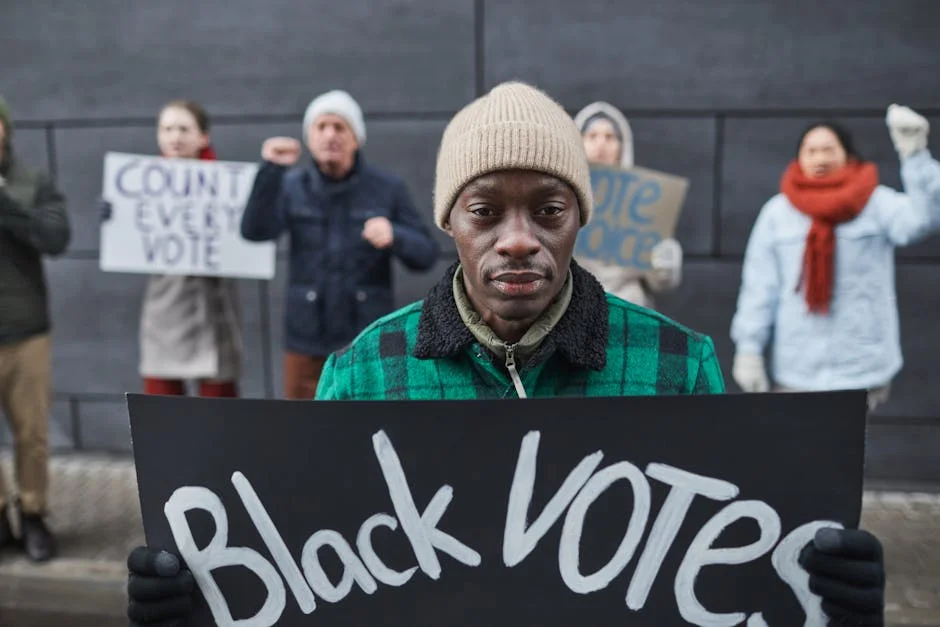
The Caribbean nations, including Jamaica, Trinidad and Tobago, and Barbados, played a pivotal role in drafting and pushing the resolution forward. The region has long been a vocal advocate for human rights and has historically been affected by the legacy of slavery. The resolution is seen as a long-overdue step toward addressing historical injustices and ensuring that modern labor practices align with international human rights standards.
Caribbean analysts in Singapore and beyond have noted that this move could influence regional trade policies and investment decisions. Companies operating in the Caribbean may now face increased scrutiny over labor practices, leading to potential changes in sourcing strategies and supply chain management.
African Nations Emphasize Global Accountability

African countries, including Nigeria, Kenya, and South Africa, supported the resolution, highlighting the need for global accountability in the fight against slavery. The continent has been a focal point for anti-slavery efforts, with several nations already implementing strict labor laws and international cooperation agreements.
Investors and businesses with operations in Africa are now closely monitoring the implications of the resolution. The potential for increased regulatory compliance costs and changes in labor laws could impact profitability, particularly in industries reliant on low-cost labor. However, the move may also open new opportunities for ethical investment and sustainable business practices.
Market Reactions and Investor Concerns
Following the UN vote, global stock markets saw mixed reactions. Shares of companies with significant operations in the Caribbean and African regions experienced slight declines, as investors weighed the potential regulatory and operational challenges. Meanwhile, ESG (Environmental, Social, and Governance) investment funds saw a surge in interest, as the resolution aligns with growing demand for socially responsible investing.
Analysts suggest that the resolution could lead to increased pressure on corporations to disclose their labor practices and ensure compliance with international standards. This could result in higher costs for some businesses but may also enhance brand reputation and long-term sustainability.
What's Next for Businesses and Investors?
The resolution is expected to prompt further action at the national and regional levels. Countries may introduce new legislation to align with UN standards, potentially leading to more stringent labor laws and increased oversight of multinational corporations. Businesses will need to adapt their operations to meet these evolving requirements, which could affect supply chain strategies and cost structures.
For investors, the resolution underscores the importance of incorporating social and ethical considerations into investment decisions. As the global focus on human rights and labor practices intensifies, companies that fail to meet these standards may face reputational damage and financial losses. Conversely, those that embrace ethical practices may gain a competitive advantage in an increasingly conscious market.