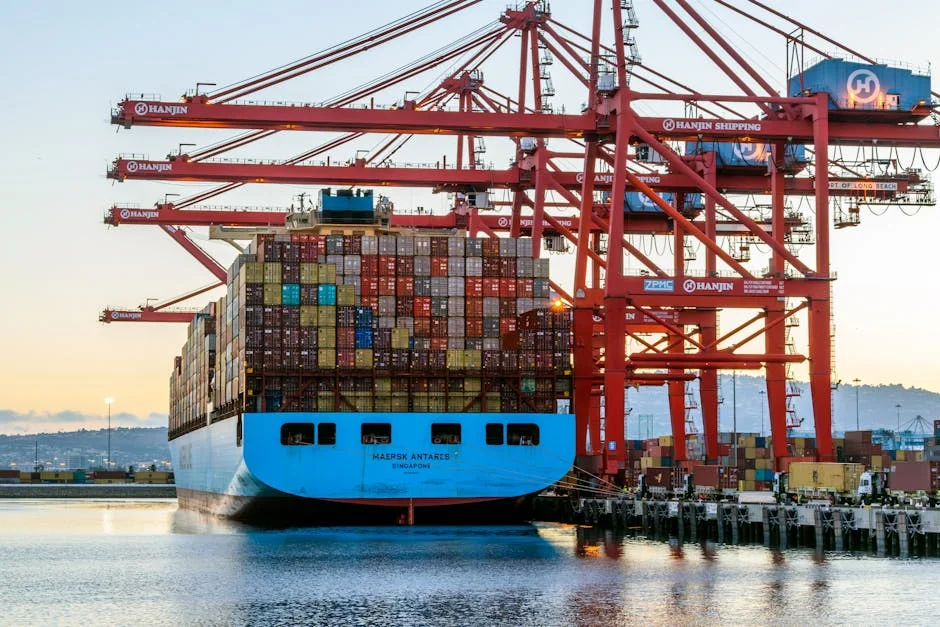
Brazil has abruptly halted beef exports to Southeast Asia, triggering immediate price spikes in the region and raising concerns about global supply chain disruptions. The move, announced by the Brazilian Ministry of Agriculture on Monday, comes amid a domestic shortage caused by a severe drought affecting cattle farming. The decision has sent shockwaves through regional markets, with traders and investors scrambling to adjust to the sudden shift in supply dynamics.
Brazil's Export Ban and Immediate Market Reactions
The export ban, which took effect immediately, was justified by Brazilian authorities as a measure to stabilize domestic beef prices and ensure food security. However, the abrupt nature of the decision has left Southeast Asian importers in disarray. In Singapore, where beef imports account for over 70% of the market, prices for cuts such as sirloin and ribeye have already increased by 12% within a week. Traders in Malaysia and Indonesia have reported similar trends, with some retailers forced to raise prices to offset the higher costs of imported beef.

Market analysts say the export ban is likely to have a ripple effect across the region. “This is a major disruption for the Southeast Asian beef industry, which relies heavily on Brazilian imports,” said Tan Li Hui, an agricultural economist at the Singapore Institute of Trade and Industry. “With supply constrained and demand steady, we can expect prices to continue rising in the short term.”
Business Implications for Southeast Asian Countries


For businesses in Singapore and beyond, the export ban poses a significant challenge. Restaurants, supermarkets, and food processors that depend on Brazilian beef are now facing higher costs, which could be passed on to consumers. Some companies have already begun sourcing alternative supplies from Argentina and Australia, but these options are more expensive and less readily available.
Local meat producers in Southeast Asia are also feeling the pressure. While some are considering increasing domestic production, the process is slow and costly. “We’re not in a position to immediately replace Brazilian beef,” said Lim Wei Heng, CEO of a major Singapore-based food distributor. “This will likely lead to higher retail prices and reduced profit margins for the next few months.”
Investor Concerns and Market Volatility
Investors are closely watching the situation, with stock prices of major food and agricultural companies in Southeast Asia showing increased volatility. Shares of companies like Jardine Matheson and Wilmar International have dipped slightly in the past week, reflecting uncertainty over future supply and pricing trends. Analysts warn that the situation could worsen if the export ban is extended or if other countries follow Brazil’s lead.
“This is a clear example of how geopolitical and agricultural policies can impact global markets,” said Aisha Khan, an investment analyst at DBS Bank. “Investors should be prepared for increased price fluctuations in the meat sector and consider diversifying their portfolios to mitigate risk.”
Economic Consequences and Long-Term Outlook
The economic consequences of the export ban extend beyond the immediate price hikes. For Singapore, which is a major trading hub, the disruption could affect broader trade relations and economic stability. The country’s reliance on imported food makes it vulnerable to such sudden policy shifts, highlighting the need for more resilient supply chains.
Looking ahead, the situation underscores the importance of diversifying import sources and investing in local food production. Experts suggest that Southeast Asian nations should explore partnerships with other beef-producing countries and invest in sustainable agriculture to reduce dependency on a single supplier. “This is a wake-up call for regional economies to rethink their food security strategies,” said Dr. Rajiv Mehta, a senior policy advisor at the Singapore Economic Development Board.
What to Watch Next
As the situation unfolds, key indicators to monitor include the duration of Brazil’s export ban, the response from other beef-exporting nations, and the long-term impact on regional food prices. Investors and businesses must remain vigilant, as the ripple effects of this decision could extend far beyond the immediate market reaction.
For Singapore and the broader Southeast Asian region, the story serves as a stark reminder of the interconnected nature of global markets and the vulnerability of food supply chains to sudden policy changes. How the region adapts to this challenge will shape economic outcomes for months to come.
Frequently Asked Questions
What is the latest news about brazil halts beef exports and prices surge in southeast asia?
Brazil has abruptly halted beef exports to Southeast Asia, triggering immediate price spikes in the region and raising concerns about global supply chain disruptions.
Why does this matter for economy-business?
The decision has sent shockwaves through regional markets, with traders and investors scrambling to adjust to the sudden shift in supply dynamics.
What are the key facts about brazil halts beef exports and prices surge in southeast asia?
However, the abrupt nature of the decision has left Southeast Asian importers in disarray.