India's fertiliser supplies are under severe strain as global conflicts disrupt shipping routes, triggering concerns over agricultural production and food security. Analysts warn that the crisis could lead to higher prices and reduced crop yields, impacting both local farmers and international markets.
Global Conflicts Disrupt Fertiliser Supplies
The ongoing conflicts in key regions like Ukraine and the Middle East have disrupted the global supply chain for fertilisers, particularly nitrogen-based products. India, one of the world's largest consumers of fertilisers, relies heavily on imports from these regions. With shipping delays and increased costs, the country is facing a critical shortage that could affect its agricultural sector.

According to the latest data from the Indian government, imports of nitrogen fertilisers fell by 12% in the first quarter of 2024 compared to the same period last year. This decline has been attributed to rising shipping costs and reduced availability of raw materials. Analysts note that the situation is further exacerbated by a slowdown in domestic production, which has not kept pace with growing demand.
Impact on Farmers and Food Prices

Small and medium-sized farmers are the most vulnerable to the fertiliser shortage. Many have reported delays in receiving their allocated supplies, forcing them to reduce planting or use lower-quality alternatives. This could lead to lower crop yields and, in turn, higher food prices for consumers across the country.
"The situation is alarming," said Ravi Sharma, a farmer from Punjab. "We are not getting the fertilisers we need, and without them, our crops will suffer. This could lead to a food crisis, especially in rural areas where people depend on agriculture for their livelihood."
Market Reactions and Investment Concerns
Investors are closely monitoring the situation, as the fertiliser crisis could have broader economic implications. The Indian stock market has seen increased volatility, with shares of agri-input companies fluctuating based on news of supply disruptions. Analysts warn that the uncertainty could deter foreign investment in the agricultural sector.
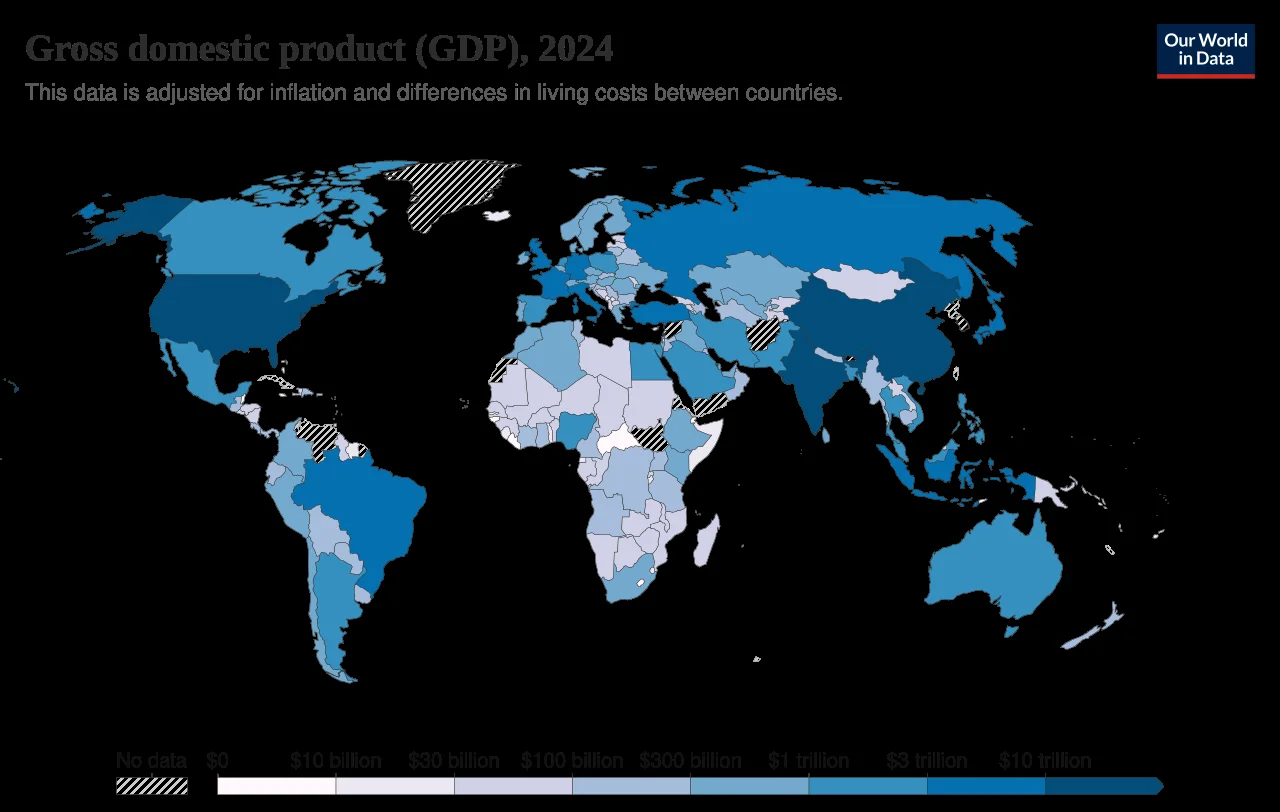
According to a recent report by the Indian Institute of Management, the fertiliser shortage could reduce the country's GDP growth by up to 0.5% in the coming months. This is because agriculture contributes around 17% to India's GDP, and any disruption in this sector could have a ripple effect on other industries.
Government Response and Future Outlook
The Indian government has announced measures to address the fertiliser shortage, including increased domestic production and strategic stockpiling. However, analysts caution that these efforts may take time to show results. In the short term, the focus is on ensuring that fertilisers reach the most affected regions first.
"The government needs to act quickly to prevent a deeper crisis," said Priya Kapoor, an economic analyst. "If the situation worsens, it could lead to inflationary pressures and social unrest, especially in rural communities that are already struggling."
What to Watch Next
Investors and policymakers will be closely watching the next few months for any signs of improvement in the fertiliser supply chain. Key indicators to monitor include shipping costs, domestic production levels, and government interventions. Additionally, the impact on food prices and inflation will be critical in determining the overall economic outlook for India.
As the global situation continues to evolve, the fertiliser crisis in India serves as a reminder of the interconnected nature of global markets. The outcome of this crisis will not only affect the country's agricultural sector but also have broader implications for regional and global economic stability.