Churches in Damascus have cancelled their traditional Palm Sunday processions following a violent clash in a Christian-majority neighbourhood on Saturday, raising concerns over the stability of religious communities in the capital. The unrest, which left at least three people dead and dozens injured, has triggered a broader debate about security, religious tolerance, and the potential economic fallout for the region.
Unrest Shakes Religious Communities
The violence erupted in the Christian quarter of Damascus after a dispute between local residents and security forces, according to reports from Vanguard News. The clash led to a rapid escalation, with gunfire and clashes reported in the area. In response, church leaders decided to cancel the annual Palm Sunday processions, a key event in the Christian calendar that draws large crowds and has significant cultural and religious importance.
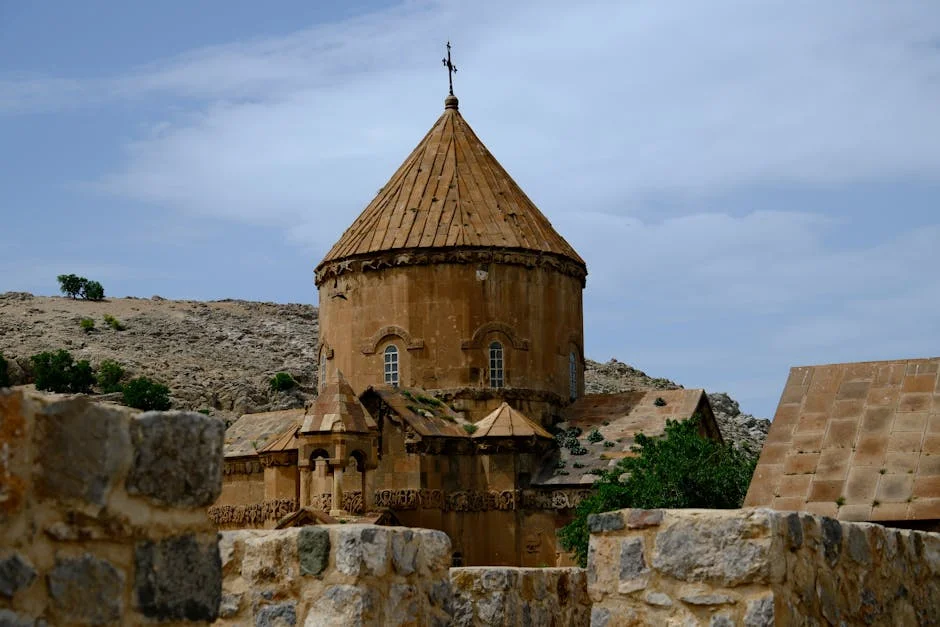
The cancellation has sent shockwaves through the Christian community, which has long been a minority in Syria. Many fear that the incident could lead to further tensions, particularly in a country already grappling with economic instability and political uncertainty. The decision to cancel the processions has also sparked concerns about the broader impact on religious tourism and local businesses that rely on the influx of visitors during the holiday.
Impact on Local Businesses and Tourism

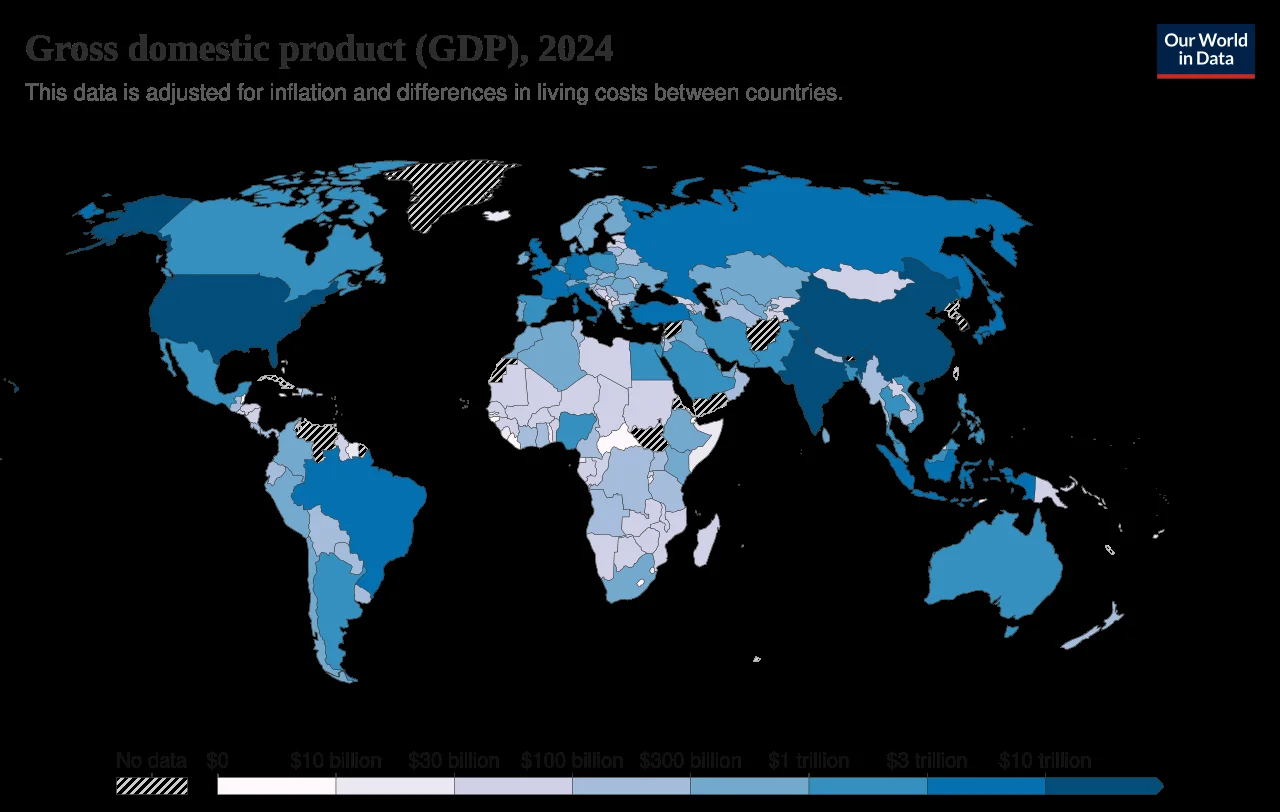
Local business owners in the Christian quarter of Damascus have expressed alarm over the cancellation of the Palm Sunday processions. The event typically brings in a significant amount of revenue for shops, restaurants, and hotels. With the procession now called off, many fear a sharp decline in foot traffic and sales in the coming days.
“This is a big blow to our businesses,” said a shop owner in the area. “The Palm Sunday celebrations are a key part of our annual income. Without them, we’re worried about how we’ll make ends meet.” The uncertainty surrounding the event has also led to a drop in bookings for hotels and tour operators, who were expecting a surge in visitors.
Investor Concerns and Economic Uncertainty
The violence and subsequent cancellation of the Palm Sunday processions have raised concerns among investors and economic analysts. Syria’s economy has been in decline for years, and any additional instability could further deter foreign investment and slow down recovery efforts. The Christian community, which has historically played a role in trade and commerce, is now under increased pressure.
“This incident adds to the growing list of risks facing the Syrian economy,” said an economist based in Singapore. “Investors are already wary of the political and security situation, and this development could make them even more cautious. The impact on business confidence and foreign direct investment could be significant.”
Broader Regional and Global Implications
The situation in Damascus has drawn attention from regional and international observers, with many questioning how the Syrian government will handle the growing tensions. The incident also highlights the fragility of religious coexistence in the country, which has seen a decline in Christian populations over the years due to conflict and migration.
For investors and businesses in Singapore and beyond, the developments in Damascus serve as a reminder of the interconnected nature of global markets. Any instability in the Middle East can have ripple effects on trade, investment, and security. As the situation continues to unfold, stakeholders will be closely watching for signs of resolution or further escalation.