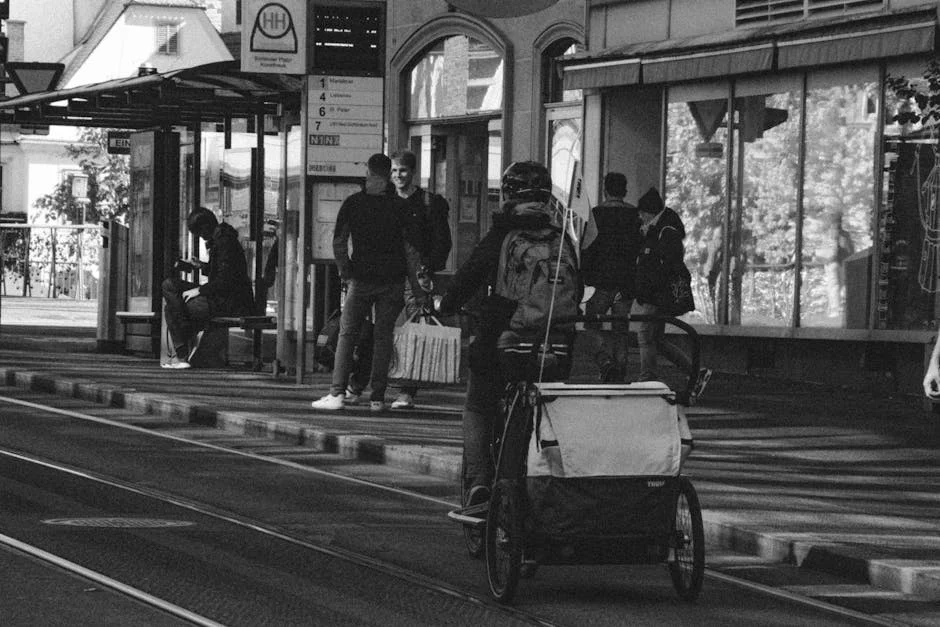
Rising transport costs are significantly altering the daily routines of Singapore commuters, who are now opting for alternative routes and modes of travel to cut expenses. The increase, driven by higher fuel prices and operational costs, has placed additional financial pressure on individuals and businesses alike, prompting a shift in consumer behavior and corporate strategies.
The surge in transport costs has been attributed to a combination of global fuel price volatility and local operational inefficiencies. According to the Land Transport Authority (LTA), public transport fares have increased by 4.5% in the past year, while private transport costs have risen by over 10%. These figures are prompting many to reconsider their commuting habits.
Market Reactions and Investor Sentiment
The rising costs have not gone unnoticed by investors. Shares of public transport operators have seen mixed reactions, with some analysts warning of potential long-term impacts on consumer spending. "As commuters look for cheaper alternatives, the demand for traditional public transport may decline, affecting revenue streams," said a financial analyst at DBS Bank.
Investors are also watching closely how companies adapt to these changes. Businesses that rely on employee mobility are beginning to explore flexible work arrangements, such as remote work and staggered hours, to mitigate the financial burden on their workforce. This shift could have broader implications for urban planning and infrastructure development.
Business Implications and Operational Adjustments

For businesses, the rising transport costs are translating into higher operational expenses. Companies are now reevaluating their logistics strategies, with some opting for local suppliers to reduce transportation overheads. This trend could lead to a more localized supply chain, which may have long-term implications for Singapore's trade dynamics.
Additionally, the cost of commuting is affecting employee retention and recruitment. A recent survey by the Singapore Business Federation found that over 30% of employees are considering switching jobs due to the rising cost of living, particularly the expense of commuting. This could lead to a talent drain if companies fail to address the issue effectively.
Economic Consequences and Policy Considerations
The economic impact of rising transport costs extends beyond individual commuters and businesses. The government is under pressure to implement measures that can ease the financial burden on the public. Potential solutions include subsidies for public transport, tax incentives for carpooling, and investments in infrastructure to improve efficiency.
Experts suggest that without intervention, the rising costs could dampen consumer spending and slow economic growth. "Transport is a key enabler of economic activity, and any increase in costs can have a ripple effect across sectors," said an economist at the National University of Singapore.
What to Watch Next
As the situation evolves, it will be crucial to monitor how both the government and private sector respond. The next few months will be critical in determining whether the current trends are temporary or indicative of a long-term shift in commuting patterns and economic behavior.
Investors and businesses should remain vigilant, as the impact of rising transport costs could extend beyond the immediate financial strain. The ability to adapt to these changes will be a key factor in maintaining competitiveness and economic resilience in the coming years.
Frequently Asked Questions
What is the latest news about rising transport costs force sg commuters to seek cheaper routes?
Rising transport costs are significantly altering the daily routines of Singapore commuters, who are now opting for alternative routes and modes of travel to cut expenses.
Why does this matter for economy-business?
The surge in transport costs has been attributed to a combination of global fuel price volatility and local operational inefficiencies.
What are the key facts about rising transport costs force sg commuters to seek cheaper routes?
These figures are prompting many to reconsider their commuting habits.