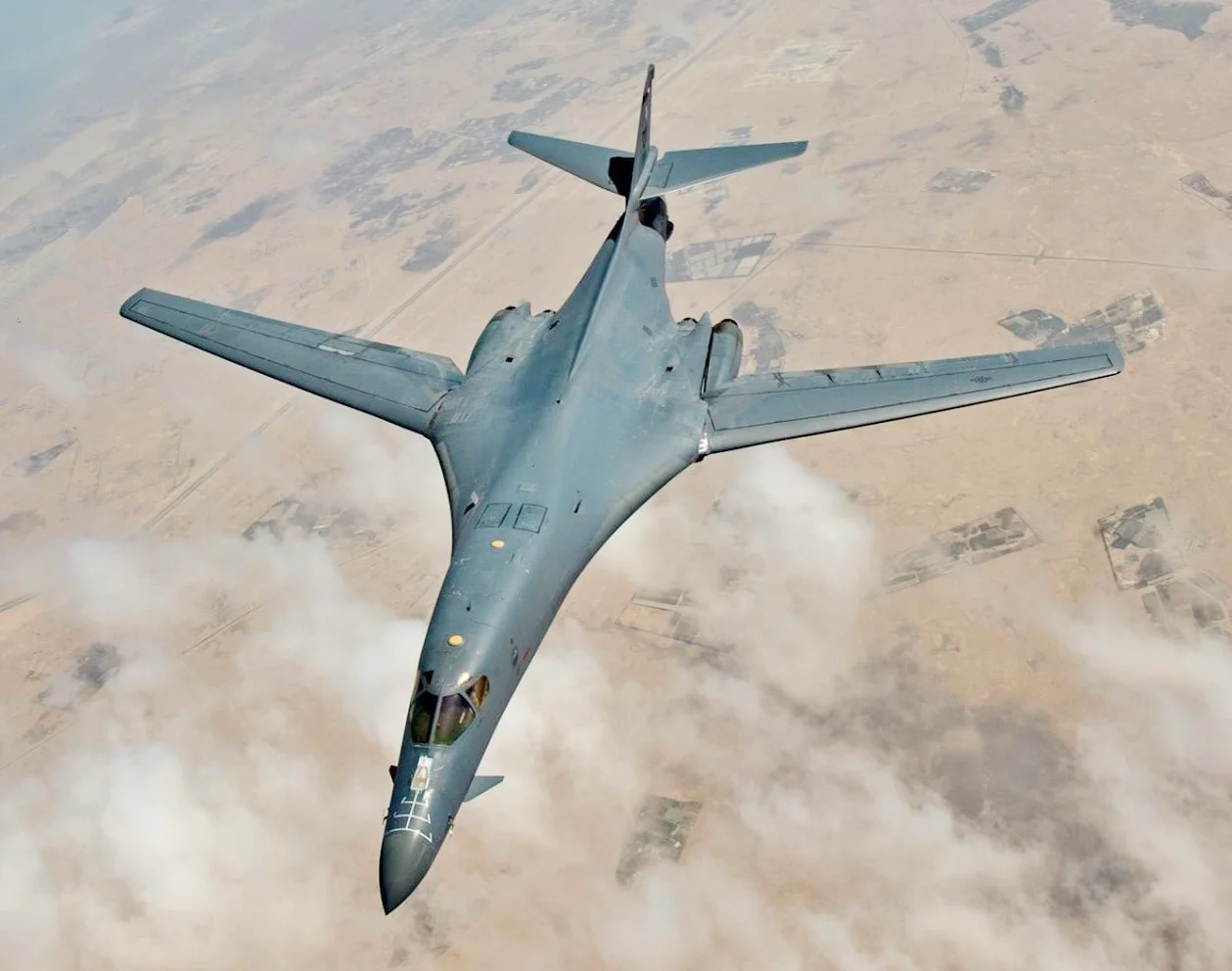
Iran has rejected US peace proposals, sending shockwaves through global markets and intensifying fears of renewed conflict in the Middle East. The move comes amid rising tensions between the US and Iran, with both sides exchanging sharp rhetoric over regional security and nuclear ambitions. Investors are now bracing for increased volatility as uncertainty looms over energy prices and global trade flows.
The rejection of US peace talks by Iran has triggered immediate reactions in financial markets. On the day of the announcement, the S&P 500 fell by 1.2%, while the FTSE 100 dropped 0.8%. Oil prices surged to $92 per barrel, driven by fears of supply disruptions in the Strait of Hormuz. The move has also led to increased demand for safe-haven assets, with gold prices climbing to a 14-month high of $1,980 per ounce.
Market Volatility and Investor Sentiment

Global markets have been particularly sensitive to developments in the Middle East, given the region's pivotal role in energy supplies. The rejection of US peace talks has raised concerns about the potential for military escalation, which could disrupt global trade routes and increase the cost of oil. This has led to a flight to safety, with investors shifting funds into bonds and gold, while equity markets remain under pressure.
Analysts warn that the situation could have far-reaching implications for the global economy. "Tensions in the Middle East are a major risk factor for global markets," said Sarah Lin, a financial strategist at Global Markets Insights. "If the situation escalates, we could see a sharp rise in energy prices, which would hit consumers and businesses across the world."
Business and Economic Implications


For businesses, the uncertainty surrounding Iran's stance could lead to higher operational costs, particularly for companies reliant on energy and global shipping. Multinational corporations with operations in the Middle East are already reassessing their risk management strategies. In Southeast Asia, where Singapore plays a key role in regional trade, businesses are closely monitoring the situation for any signs of disruption.
The impact on the Singapore economy is also a concern. As a major global trade hub, any disruption to shipping routes or energy prices could affect Singapore's exports and manufacturing sectors. "SG businesses are particularly vulnerable to supply chain shocks," said Rajiv Mehta, an economist at the Singapore Institute of International Affairs. "A prolonged conflict in the region could lead to higher inflation and reduced consumer confidence."
Investment Perspective and Risk Management
Investors are now reevaluating their portfolios in response to the heightened geopolitical risks. Diversification has become a key strategy, with many investors increasing their exposure to defensive assets such as utilities and healthcare stocks. Meanwhile, those with exposure to energy and transportation sectors are closely monitoring the situation for potential losses.
For Singapore-based investors, the situation underscores the importance of a balanced and resilient investment approach. "In times of uncertainty, it's crucial to maintain a diversified portfolio," said Mei Ling Tan, a financial advisor at SG Wealth Management. "Investors should consider hedging against potential market swings and focusing on long-term growth opportunities."
What to Watch Next
Looking ahead, the key developments to watch include any further statements from Iran or the US, as well as the response from other regional powers. The role of international organizations such as the United Nations and the International Atomic Energy Agency will also be critical in shaping the next phase of the conflict. Additionally, market reactions to any changes in oil prices and geopolitical tensions will continue to influence global economic conditions.
As the situation unfolds, businesses, investors, and policymakers must remain vigilant. The rejection of US peace proposals by Iran has not only heightened regional tensions but also introduced new challenges for the global economy. The coming weeks will be crucial in determining the long-term impact of this development on markets and economic stability.