The United States has banned the use of foreign-made routers in critical infrastructure, triggering immediate market reactions and raising concerns among global tech firms. The move, announced by the Department of Commerce, targets equipment from countries deemed a national security risk, including China and Russia. The decision comes amid growing geopolitical tensions and a push for domestic tech supply chain resilience.
The ban has sent shockwaves through the tech sector, with major semiconductor and networking companies experiencing sharp declines in stock prices. Investors are now closely watching how the policy will affect global trade flows and the availability of critical technology components. The move also highlights the increasing role of national security in shaping economic and trade policies, which could lead to further disruptions in global supply chains.
Impact on Global Markets
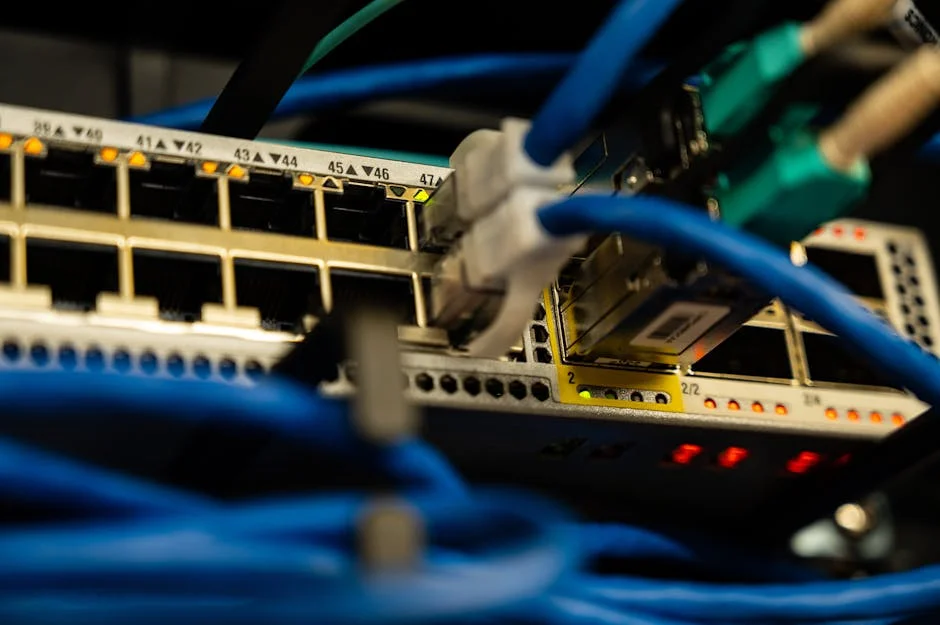
The immediate market reaction to the ban was dramatic. Shares of companies like Huawei, ZTE, and other foreign tech firms saw steep declines, while U.S. tech stocks, particularly those with strong domestic manufacturing capabilities, experienced a brief rally. The Nasdaq and S&P 500 both dipped slightly as traders weighed the implications of the policy on global trade and corporate earnings.
Analysts suggest that the ban could lead to higher costs for U.S. businesses that rely on foreign-sourced technology. With fewer options available, companies may need to invest in alternative suppliers or shift production to the U.S., increasing operational expenses. This could lead to inflationary pressures and reduced competitiveness for some firms, particularly in the telecommunications and cybersecurity sectors.
Business Implications and Supply Chain Concerns


For businesses, the router ban represents a significant shift in procurement strategies. Companies that previously sourced routers from foreign manufacturers now face the challenge of finding compliant alternatives. This could lead to delays in critical infrastructure projects and increased costs for network upgrades. Small and medium-sized enterprises (SMEs) are particularly vulnerable, as they may lack the resources to quickly adapt to the new regulations.
Major U.S. telecom providers, including Verizon and AT&T, have already begun reviewing their supply chains to ensure compliance. Some have started sourcing equipment from domestic manufacturers or partnering with European tech firms. However, the transition is not without challenges, as the U.S. currently lacks the capacity to meet the full demand for secure, domestically produced routers.
Investment Perspective and Economic Outlook
From an investment standpoint, the ban has created both risks and opportunities. While some tech stocks have fallen, others have seen gains as investors bet on increased demand for U.S.-made technology. Companies specializing in cybersecurity and network infrastructure are likely to benefit from the policy shift. However, the long-term impact on the global tech sector remains uncertain.
Investors are advised to monitor how the policy evolves and how it affects trade relations with key partners. The ban could also trigger retaliatory measures from affected countries, further complicating global trade dynamics. For Singapore-based investors and businesses with exposure to U.S. tech markets, the situation underscores the importance of diversifying supply chains and staying informed about regulatory changes.
What to Watch Next
As the ban takes effect, the focus will shift to its implementation and enforcement. The Department of Commerce is expected to issue further guidelines on compliance, which could provide clarity for businesses and investors. Additionally, the long-term implications for U.S. tech innovation and global trade will be closely watched.
For now, the router ban serves as a stark reminder of how national security concerns can reshape economic and market landscapes. As the U.S. continues to prioritize domestic technology, businesses and investors must remain agile in navigating the evolving regulatory environment. The ripple effects of this policy will likely be felt across global markets for years to come.
Frequently Asked Questions
What is the latest news about us bans foreign routers and tech stocks plummet?
The United States has banned the use of foreign-made routers in critical infrastructure, triggering immediate market reactions and raising concerns among global tech firms.
Why does this matter for economy-business?
The decision comes amid growing geopolitical tensions and a push for domestic tech supply chain resilience.
What are the key facts about us bans foreign routers and tech stocks plummet?
Investors are now closely watching how the policy will affect global trade flows and the availability of critical technology components.