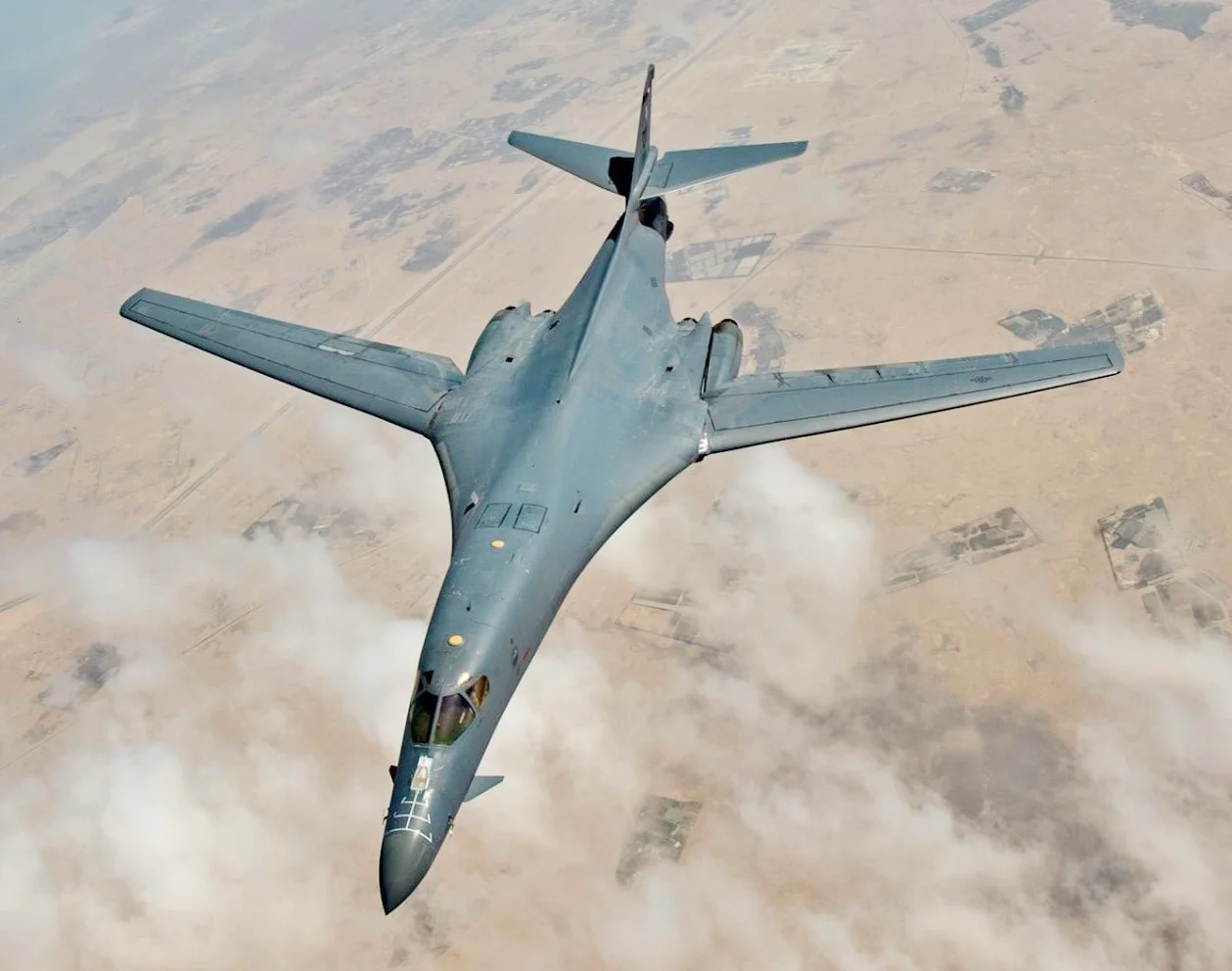
European leaders have issued urgent warnings about the potential economic fallout following a major US and Israeli military strike on Iran. The attack, which targeted key military and energy infrastructure, has sent shockwaves across global markets and raised concerns about regional instability. The European Union, Germany, and Italy have all expressed deep unease, emphasizing the risk of soaring energy prices and disrupted supply chains.
The strike, which took place late last week, was reportedly aimed at crippling Iran’s nuclear program and its military capabilities. While the US and Israel have not officially confirmed the operation, intelligence reports and satellite imagery suggest a coordinated effort. The attack has already led to a sharp rise in oil prices, with Brent crude surging over 10% in the first 24 hours. This has prompted immediate responses from European leaders, who fear the ripple effects on their economies.
Europeans Latest News: Market Volatility and Investor Anxiety
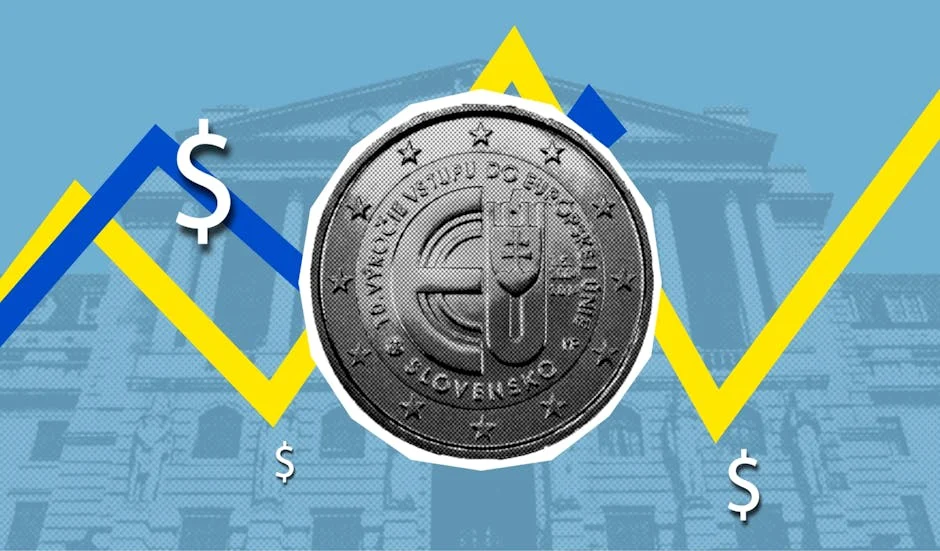
European stock markets reacted swiftly to the news, with the FTSE 100 and DAX indices both plunging in early trading. Investors are now bracing for further volatility as uncertainty surrounding the conflict persists. The European Central Bank has also been forced to reassess its inflation outlook, with officials warning that the attack could trigger a new wave of energy price hikes.
“This attack could have far-reaching consequences for the global economy,” said a senior EU official, speaking on condition of anonymity. “We are closely monitoring the situation and preparing contingency plans to mitigate the impact on European businesses and consumers.” The official added that the EU is in contact with key allies, including the US and Arab states, to de-escalate tensions and prevent further regional conflict.
Why Europeans Matters: Energy Security and Economic Vulnerability
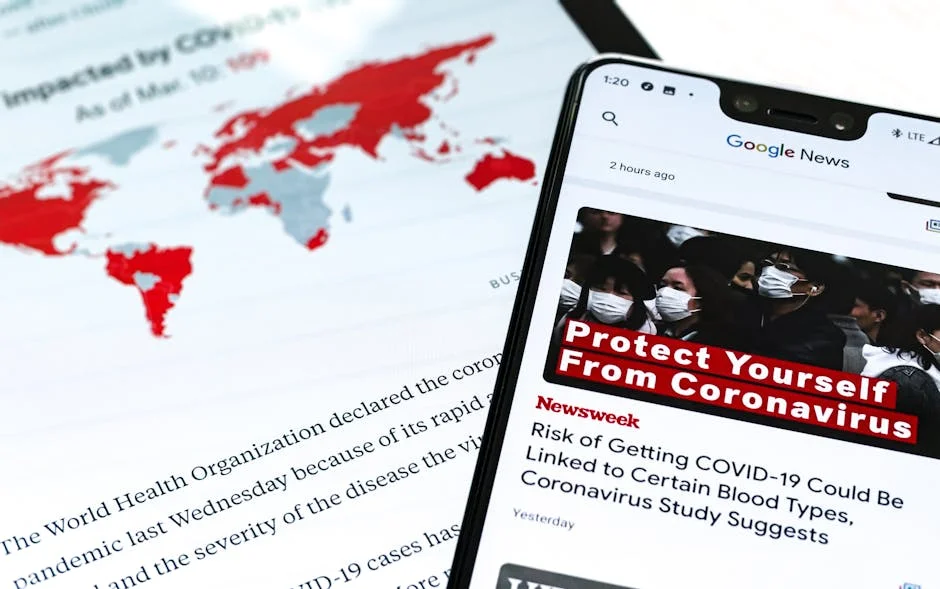

Europe’s reliance on Middle Eastern energy sources has long been a point of concern, particularly following the war in Ukraine. The attack on Iran has heightened fears that the region’s energy markets could become even more volatile. With gas prices already at record highs, the possibility of further supply disruptions has left many European governments scrambling to secure alternative energy sources.
Italy, in particular, has been vocal about its concerns. The country’s energy minister has called for an emergency meeting with EU partners to discuss long-term energy security strategies. “We cannot afford another energy crisis,” he said. “Our industries and households are already under immense pressure.” Germany, which has been heavily dependent on Russian gas, has also expressed fears that the situation could lead to a new energy bottleneck.
Leaders Impact on SG: Regional and Global Market Reactions
For Singapore, the implications of the attack are significant. As a key player in global trade and finance, the island nation is closely watching how the crisis unfolds. The Singapore Exchange (SGX) has seen increased volatility in its energy and commodity indices, with investors hedging against potential disruptions in the Middle East.
“The situation in the Middle East has always been a critical factor for global markets, and this attack only adds to the uncertainty,” said a local investment analyst. “SG investors are particularly sensitive to energy price fluctuations, and this could lead to a shift in portfolio allocations.” The analyst added that Singapore-based companies with exposure to European markets are also being closely monitored for potential risks.
Leaders Developments Explained: What to Watch Next
As the situation continues to evolve, the focus will be on how the international community responds. The United Nations has called for an emergency session to address the escalating tensions, while regional powers like Saudi Arabia and the UAE are expected to play a key role in any diplomatic efforts. Meanwhile, the EU is preparing for a potential economic fallout, with member states already discussing emergency aid packages for vulnerable sectors.
Investors and businesses are advised to stay alert to further developments. The European Union has already begun assessing the potential for increased inflation, supply chain disruptions, and geopolitical risks. For Singapore and other global markets, the next few weeks will be crucial in determining the long-term impact of this unprecedented escalation in the Middle East.