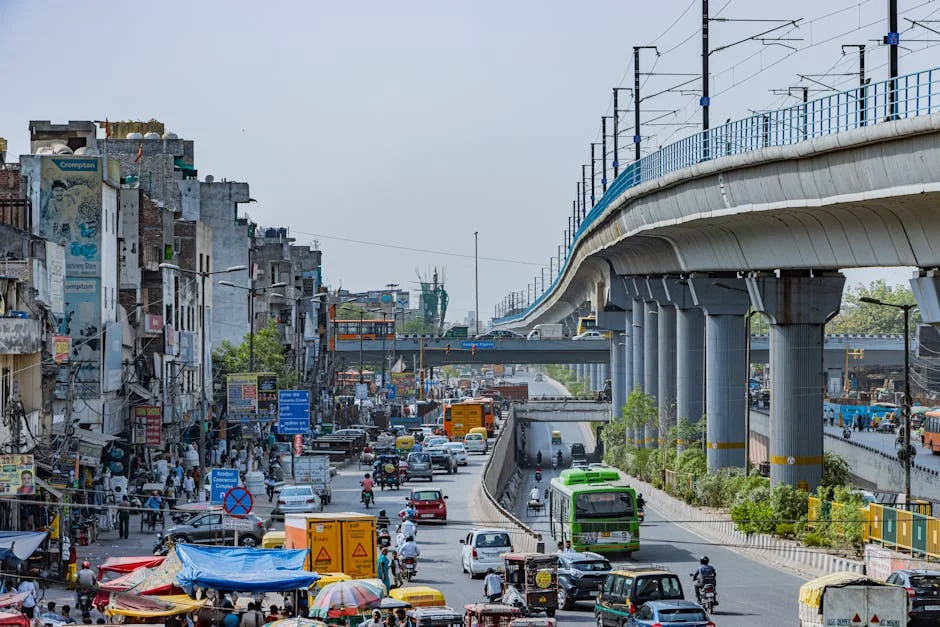
The Bharatiya Janata Party (BJP) has unveiled its manifesto for the 2026 Tamil Nadu Assembly elections, focusing on decentralised governance, stricter anti-drug measures, and policies that prioritise Tamil identity. The party’s proposals, released in Chennai, aim to reshape the state’s political and economic landscape, with implications for businesses, investors, and the broader economy. The manifesto has already sparked discussions about its potential impact on Tamil Nadu’s development trajectory.
Manifesto Details and Political Context
The BJP’s Tamil Nadu manifesto outlines a vision for greater local governance, proposing the creation of more district-level administrative units to enhance decision-making. It also includes plans for stricter anti-drug campaigns, with a focus on curbing the rising use of synthetic drugs in urban areas. These policies reflect the party’s broader national agenda but are tailored to address local concerns in Tamil Nadu, a state that has long been a stronghold of regional parties like the Dravida Munnetra Kazhagam (DMK) and All India Anna Dravida Munnetra Kazhagam (AIADMK).

Analysts note that the BJP’s emphasis on Tamil-centric policies marks a strategic shift. While the party has historically been seen as a national force, its manifesto includes provisions for promoting Tamil language and culture in education and public life. This could resonate with younger, urban voters who are increasingly concerned with identity and governance. However, it also raises questions about how such policies might affect the state’s economic openness and business environment.
Economic Implications and Market Reactions
Investors and market analysts are closely watching the BJP’s proposals, particularly the emphasis on decentralised governance. While this could lead to more efficient local administration, it may also complicate state-level policy coordination. For businesses, especially those operating across multiple districts, a more fragmented administrative structure could increase compliance costs and slow down project approvals.
The anti-drug measures, if implemented effectively, could have a positive impact on the workforce and public health, potentially improving productivity and reducing healthcare burdens. However, the success of such policies depends on effective implementation and adequate funding, areas where the BJP has yet to provide detailed plans. The market is waiting for clearer signals on how these initiatives will translate into economic growth and stability.
Business and Investor Perspectives
Business leaders in Tamil Nadu are cautious about the manifesto’s implications. While the focus on anti-drug measures and local governance could improve the state’s image, the lack of concrete economic reforms has raised concerns. Many companies, particularly in the manufacturing and IT sectors, are looking for policies that support ease of doing business, infrastructure development, and tax incentives.
Investors are also considering the political dynamics of the state. Tamil Nadu has historically been a key market for both domestic and international firms, but the rise of regional parties has often led to policy shifts that create uncertainty. The BJP’s approach, if it leads to more stable governance, could attract more long-term investment. However, the party’s national ideology may not align with the state’s unique economic and cultural context, posing a challenge for its appeal.
What to Watch Next
The coming months will be crucial for the BJP’s campaign in Tamil Nadu. The party will need to address concerns about its ability to govern a state with a complex political and social fabric. The success of its manifesto will depend on its ability to translate promises into actionable policies that benefit both the economy and the people.
For investors and businesses, the key will be monitoring how the BJP’s proposals evolve and how they are received by voters. The state’s economic performance in the coming years will also be a critical indicator of whether the party’s vision can deliver on its promises. As Tamil Nadu continues to play a vital role in India’s economic growth, the 2026 elections will be a key test for both the BJP and the state’s political landscape.