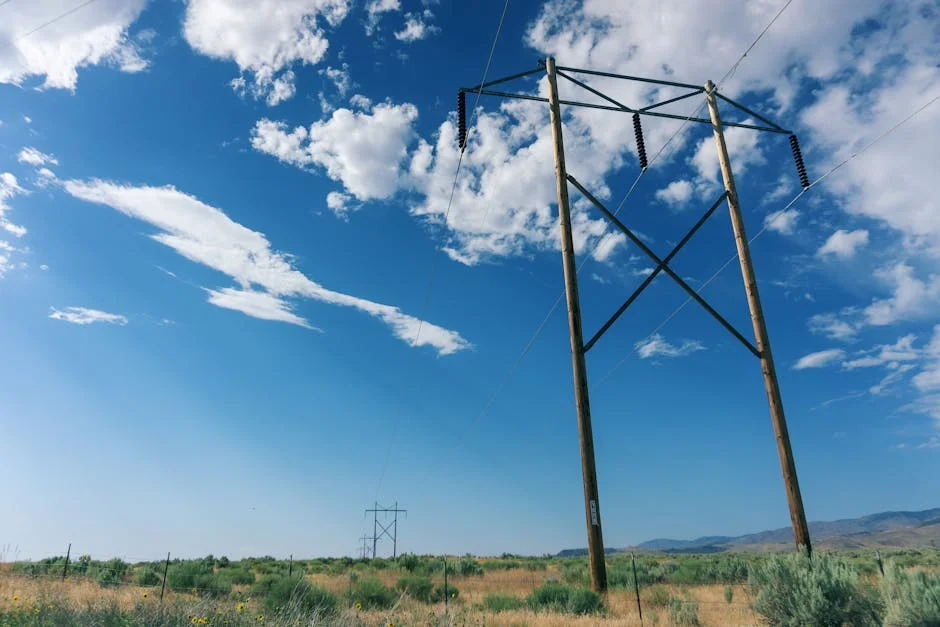
Ikeja Electric, Nigeria's largest electricity distribution company, has attributed recent power outages in Lagos to a significant drop in power generation, prompting widespread disruptions across the city. The outage, which began last week, has left businesses, households, and industries struggling with inconsistent electricity supply. The company cited aging infrastructure and insufficient fuel supply as primary causes, though critics argue systemic inefficiencies and underinvestment have long been the root of the problem.
The situation has raised concerns about the stability of Nigeria's energy sector, which has been plagued by chronic underperformance. Lagos, as the economic hub of West Africa, is particularly vulnerable to power disruptions, which can have ripple effects across the region, including Singapore, where businesses rely on Nigerian markets and supply chains.
Power Outages Disrupt Business Operations
Businesses in Lagos, from small retailers to multinational corporations, have been hit hard by the power cuts. Many have had to rely on expensive generators, increasing operational costs and reducing profitability. According to a recent survey by the Lagos Chamber of Commerce and Industry, over 60% of businesses reported a decline in productivity due to the outages. This has led to fears of a broader economic slowdown, with potential implications for foreign investment and trade in the region.
Investors are closely monitoring the situation, as power shortages can deter long-term commitments. The Nigerian stock market has already seen a slight dip in utility sector shares, reflecting growing uncertainty. Analysts warn that prolonged outages could lead to a loss of confidence in the country's ability to manage critical infrastructure, potentially affecting its economic outlook.
Channels Television Reports on the Crisis
Channels Television, a leading Nigerian news outlet, has been covering the power crisis extensively, highlighting the struggles of Lagos residents and the government’s response. The network’s reports have drawn attention to the lack of transparency and accountability in the energy sector. In a recent segment, the channel quoted a Lagos resident who said, “We’ve been living like this for years. It’s frustrating and expensive.”
The coverage has also sparked public debate on the role of private utility companies like Ikeja Electric. While the company claims it is doing its part, many argue that it has not invested adequately in infrastructure to meet the growing demand. This has led to calls for greater government intervention and oversight in the energy sector.
Economic and Market Implications
The power outages are expected to have a direct impact on Nigeria’s GDP growth, which has been sluggish in recent quarters. According to the World Bank, the energy sector’s inefficiencies cost the economy an estimated 4% of GDP annually. With the current crisis, this figure could rise, affecting both local and international investors.
For Singapore-based businesses with operations in Nigeria, the situation is a cause for concern. Companies reliant on Nigerian suppliers or markets may face delays and increased costs. Additionally, investors in the region are likely to reassess their exposure to Nigerian assets, potentially leading to capital flight or a shift in investment strategies.
What’s Next for Ikeja Electric and Lagos?
Despite the challenges, Ikeja Electric has pledged to restore power supply as soon as possible, citing ongoing repairs and fuel procurement efforts. However, without a long-term solution to the energy crisis, the problem is likely to persist. Experts suggest that diversifying energy sources and increasing investment in renewable energy could be key steps toward stability.
The situation in Lagos serves as a stark reminder of the fragility of Nigeria’s energy infrastructure and the need for urgent reforms. As the crisis continues, markets and investors will be watching closely to see whether the government and private sector can deliver the necessary changes to prevent further disruptions.