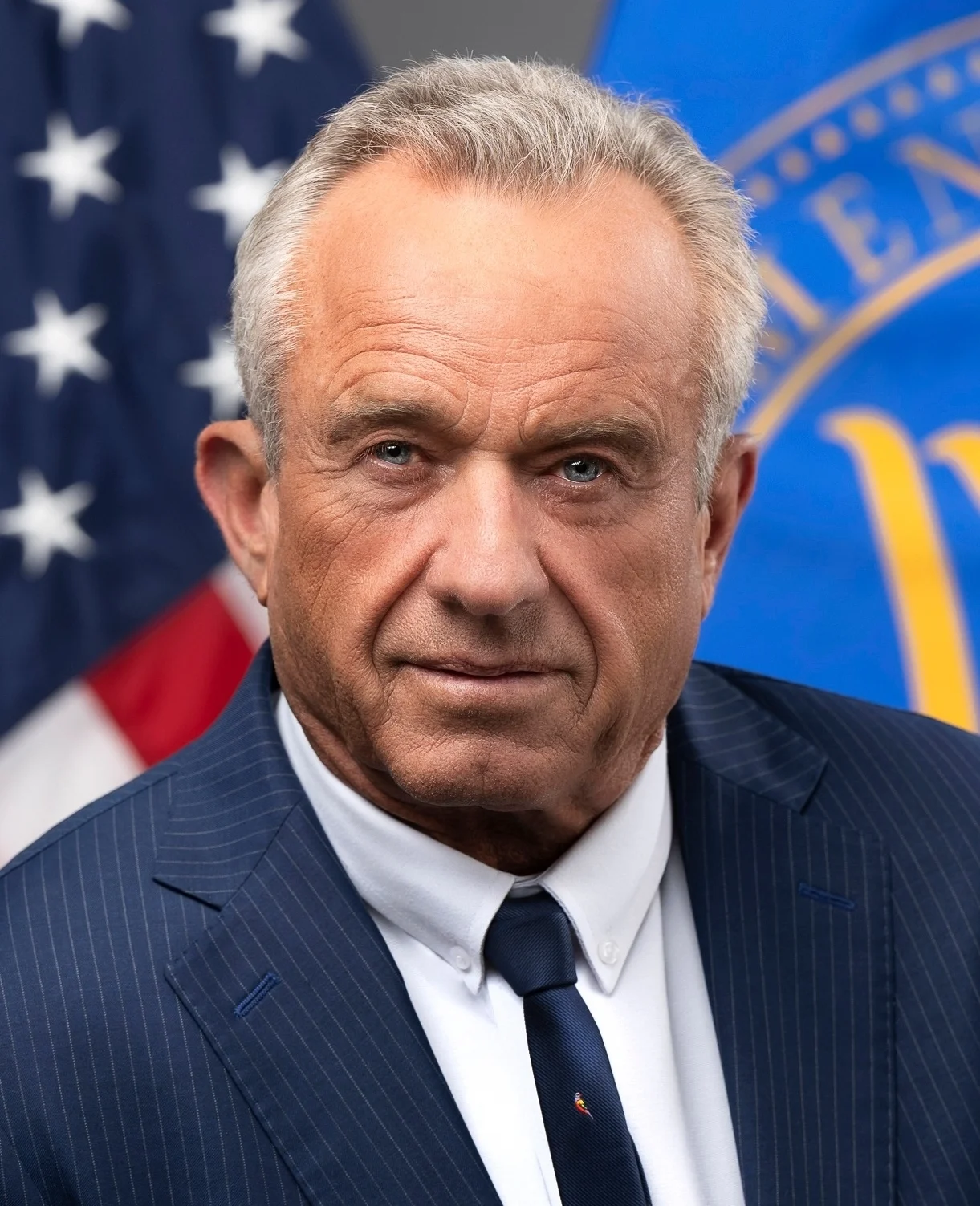
Team Trump has warned that the United States has sufficient financial resources to sustain a prolonged conflict with Iran, raising concerns over the economic and geopolitical implications of such a scenario. The comments come amid heightened tensions between the US and Iran, with both sides engaging in a series of escalatory actions. The statement has sparked immediate reactions from financial markets and investors, who are closely monitoring the potential fallout.
The remarks were made by a senior member of the Team Trump network, who emphasized that the US government has the fiscal capacity to continue funding military operations in the Middle East without significant constraints. This assertion comes as the US faces mounting pressure to address regional instability, with Iran's nuclear programme and proxy conflicts in the region remaining key points of contention.
What Does This Mean for the Markets?
The financial markets have reacted with caution to the Team Trump statement, with investors closely watching for any signs of increased military spending or economic strain. Analysts suggest that prolonged conflict could lead to higher oil prices, which may trigger inflationary pressures and impact global trade. The US dollar has seen slight fluctuations, with some investors shifting towards safe-haven assets amid the uncertainty.
Stocks related to energy and defense sectors have experienced mixed performance, with some investors viewing the potential for increased military spending as a positive for certain industries. However, the broader market remains wary of the economic risks associated with a protracted conflict, particularly in a global economy already grappling with inflation and supply chain disruptions.
Impact on Businesses and Investors


For businesses operating in the Middle East or reliant on global trade, the possibility of a prolonged US-Iran conflict poses significant risks. Companies in the energy sector, in particular, may face increased volatility in oil prices, which can affect profit margins and investment strategies. Investors are advised to diversify their portfolios to mitigate potential losses from geopolitical instability.
Investment firms have begun reassessing their risk models, incorporating the possibility of extended military engagement into their forecasts. Some analysts warn that a protracted conflict could lead to a reallocation of capital away from emerging markets and towards more stable economies, further complicating the investment landscape for global investors.
What Is Iran and Why Does It Matter?
Iran is a major regional power in the Middle East, known for its strategic location, oil reserves, and geopolitical influence. Its nuclear programme and involvement in regional conflicts have made it a focal point of international concern. The country has been at odds with the US for decades, with tensions flaring in recent years over its nuclear ambitions and support for proxy groups in the region.
The Iran developments have significant implications for global security and economic stability. A military confrontation between the US and Iran could disrupt global oil supplies, trigger a spike in energy prices, and destabilize financial markets worldwide. As such, the situation is being closely monitored by governments, businesses, and investors across the globe.
What to Watch Next
Investors and analysts will be closely watching for any further statements from the Team Trump network, as well as developments in US-Iran relations. The next few weeks could be critical in determining the trajectory of the conflict and its economic impact. Market reactions will likely depend on how the situation evolves and whether diplomatic efforts can de-escalate tensions.
Additionally, the broader economic implications of sustained military engagement will be a key focus. Increased defence spending could lead to higher government deficits, which may affect interest rates and economic growth. Investors are advised to stay informed and adjust their strategies accordingly as the situation unfolds.