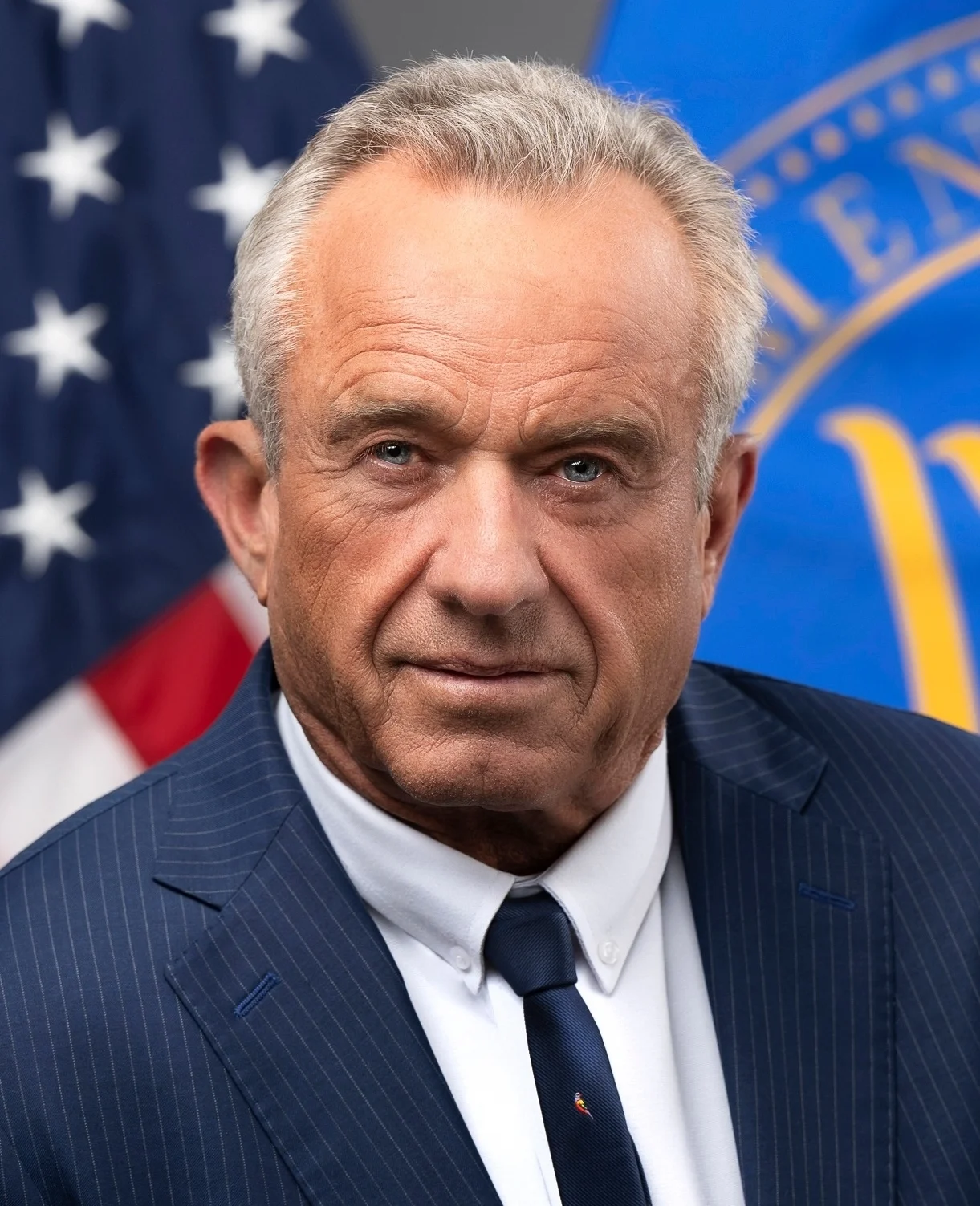
Faisal Islam, a prominent financial analyst, has warned that the escalating tensions between Iran and the Gulf region are having a dramatic impact on the UK economy. The conflict, which has seen rising oil prices and increased geopolitical uncertainty, is affecting global markets and investor confidence, particularly in the UK. The situation has raised concerns about inflation, supply chain disruptions, and the potential for further economic instability.
The UK’s economic outlook has been further complicated by the ongoing conflict in the Gulf, which has led to volatility in global energy markets. As one of the world’s largest oil importers, the UK is particularly vulnerable to price shocks that could lead to higher costs for consumers and businesses. Faisal Islam highlighted that the ripple effects of the conflict are being felt across multiple sectors, including manufacturing, transport, and retail.
Market Reactions to Regional Tensions

Global financial markets have reacted sharply to the escalating situation in the Gulf. The London Stock Exchange saw a decline in shares of energy and transport companies, as investors grew wary of the potential for prolonged conflict. Oil prices have surged, with Brent crude hitting a two-year high, which is expected to increase inflationary pressures in the UK. This has led to increased scrutiny from the Bank of England, which is now facing pressure to consider further interest rate hikes.
Investors are also reassessing their exposure to international markets, with many shifting funds to safer assets such as gold and government bonds. Faisal Islam noted that the uncertainty has led to a flight to quality, with UK-based pension funds and institutional investors recalibrating their portfolios. This shift could have long-term implications for the UK’s financial sector, as well as for the broader economy.
Business Implications and Supply Chain Concerns
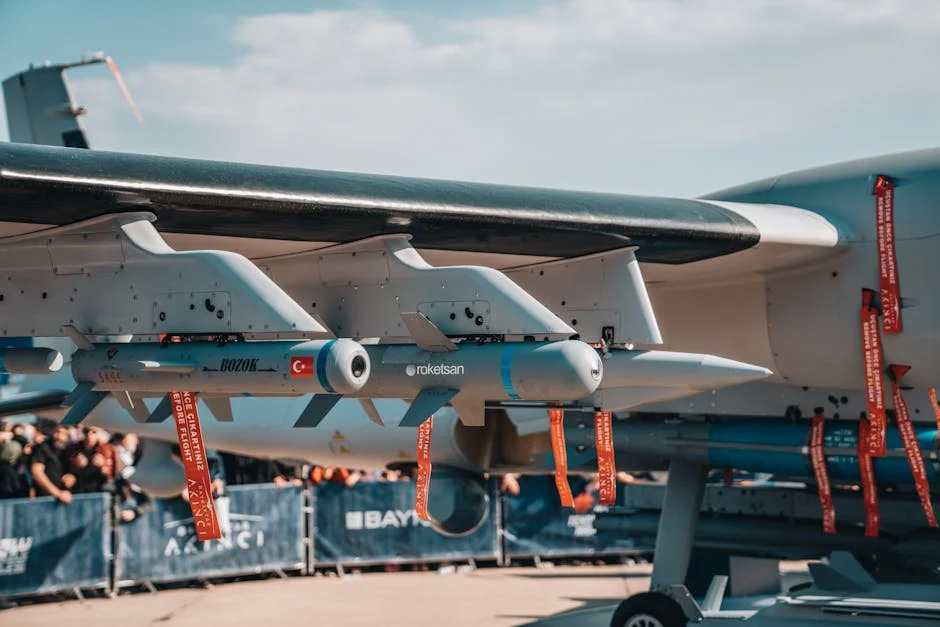

Businesses across the UK are increasingly concerned about the impact of the Gulf conflict on their operations. Supply chain disruptions, particularly in the energy and manufacturing sectors, have already begun to take a toll. Companies that rely on imports from the region are facing higher costs and potential delays, which could lead to reduced production and higher consumer prices.
Logistics firms have also been affected, with shipping routes through the Gulf experiencing increased security risks. This has led to higher insurance costs and longer transit times, further complicating trade. Faisal Islam emphasized that the UK’s reliance on global supply chains makes it especially vulnerable to regional conflicts, and businesses must now factor in these risks when making strategic decisions.
Investment Perspective and Policy Response
From an investment perspective, the situation in the Gulf is forcing a reevaluation of risk and return across asset classes. Faisal Islam advised investors to remain cautious, particularly in sectors exposed to energy and geopolitical risk. He also highlighted the importance of diversification, suggesting that investors should consider alternative markets and assets to mitigate the impact of regional instability.
The UK government has been under pressure to respond to the economic fallout from the Gulf conflict. While no major policy changes have been announced, there are growing calls for increased support for energy-intensive industries and measures to stabilize inflation. Faisal Islam noted that the government’s ability to manage the economic fallout will be a key factor in determining the UK’s resilience in the coming months.
Economic Outlook and What to Watch Next
Looking ahead, the economic impact of the Gulf conflict is expected to persist, with potential for further volatility in energy markets and inflationary pressures. Faisal Islam warned that the UK’s economic recovery remains fragile and could be derailed by further geopolitical shocks. He urged policymakers and business leaders to remain vigilant and prepared for potential challenges in the months to come.
As the situation in the Gulf continues to evolve, the UK’s economic and market response will be closely watched by investors, businesses, and policymakers. The next few months will be critical in determining how effectively the UK can navigate the challenges posed by the region’s instability and its global economic consequences.