Delhi Chief Minister Rekha Gupta has announced a major infrastructure push on the eve of presenting her second budget, signaling a bold move to boost economic growth and attract investment. The plan, revealed on Tuesday, includes significant allocations for transport, energy, and urban development, aiming to transform the capital into a global economic hub. The announcement comes amid heightened investor interest in India’s key cities, with Delhi playing a pivotal role in the nation’s economic landscape.
Infrastructure Focus to Drive Growth
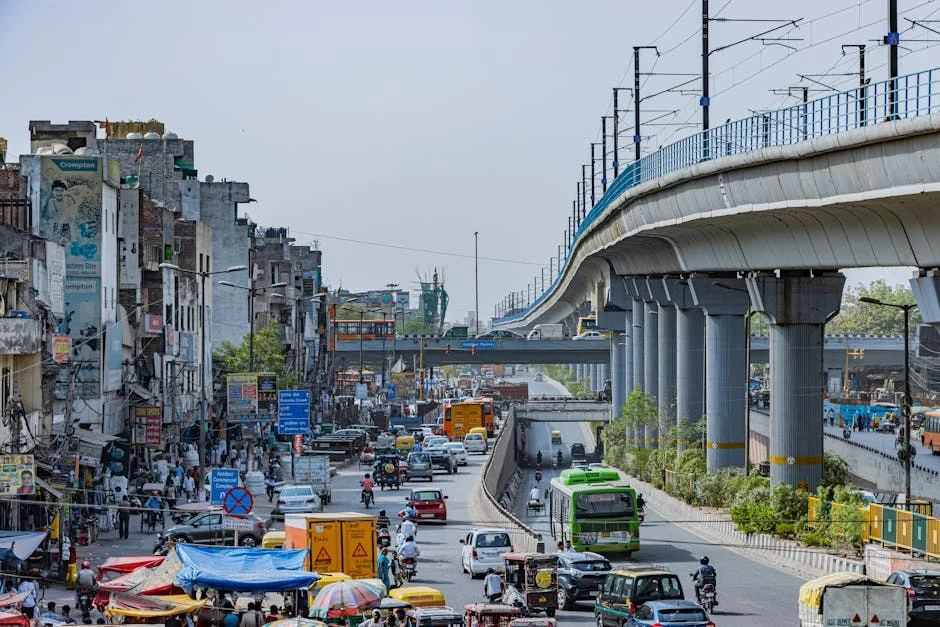
The new infrastructure initiative, which includes plans for expanded metro lines, renewable energy projects, and smart city developments, is expected to create thousands of jobs and stimulate local industries. Gupta emphasized that the projects will be funded through a mix of public and private investments, with a strong emphasis on foreign direct investment (FDI). This approach is seen as a strategic move to attract global investors looking for stable and growing markets in India.
Industry analysts suggest that the infrastructure push could have a ripple effect on the construction, real estate, and technology sectors. The government has already begun engaging with several multinational corporations to explore partnerships, signaling a shift towards more collaborative economic strategies. This move is likely to be closely watched by investors, who are always on the lookout for signs of economic stability and growth potential in key Indian markets.
Market Reactions and Investor Sentiment


Following the announcement, local stock indices showed a modest rise, with infrastructure and construction-related stocks leading the gains. Analysts at a leading investment firm noted that the move could provide a much-needed boost to investor confidence, particularly in the wake of global economic uncertainties. The focus on renewable energy and sustainable development also aligns with international trends, making the Delhi plan more appealing to ESG (Environmental, Social, and Governance) investors.
However, some experts caution that the success of the plan will depend on efficient implementation and transparency. The previous budget faced criticism for delayed projects and mismanagement, which could impact investor trust. Nevertheless, the commitment to infrastructure development is seen as a positive step, with many investors viewing it as a long-term investment in Delhi’s economic future.
Business Implications and Economic Outlook
For businesses operating in Delhi, the infrastructure push offers both opportunities and challenges. The expansion of transport networks and urban development projects is expected to improve connectivity and reduce operational costs for many firms. This could lead to increased productivity and competitiveness, particularly in the logistics and manufacturing sectors.
At the same time, the focus on public-private partnerships may lead to more regulatory scrutiny and compliance requirements. Businesses will need to adapt to new policies and ensure they are aligned with the government’s vision for sustainable growth. The overall economic outlook for Delhi remains positive, with the infrastructure plan likely to play a key role in driving long-term economic stability and growth.
What to Watch Next
Investors and analysts are closely monitoring the implementation of the infrastructure plan, particularly the allocation of funds and the progress of key projects. The government has pledged to release detailed project timelines and funding mechanisms in the coming weeks, which will be critical for assessing the plan’s viability. Any delays or mismanagement could dampen investor enthusiasm and impact the overall economic outlook.
The success of the initiative will also depend on the broader economic environment, including global market conditions and India’s overall economic performance. As Delhi continues to position itself as a key economic player, the coming months will be crucial in determining the long-term impact of Gupta’s infrastructure ambitions on the city’s economy and the wider market.