The suspended South African Police Minister, Senzo Mchunu, has demanded evidence from KwaZulu-Natal (KZN) Police Commissioner Lieutenant General Nhlanhla Mkhwanazi as political tensions escalate within the country’s law enforcement sector. The dispute, which has drawn widespread attention, comes amid a broader struggle for control over policing strategies and accountability, raising concerns about governance and stability in one of South Africa’s most populous provinces.
The situation has intensified after Mchunu, who was placed on leave by President Cyril Ramaphosa, accused the KZN Police Commissioner of failing to uphold national policing standards. Mkhwanazi, who has not publicly responded to the allegations, faces mounting pressure from both the national government and local leaders, who are worried about the impact on public safety and the economy.
Political Tensions and Governance Concerns
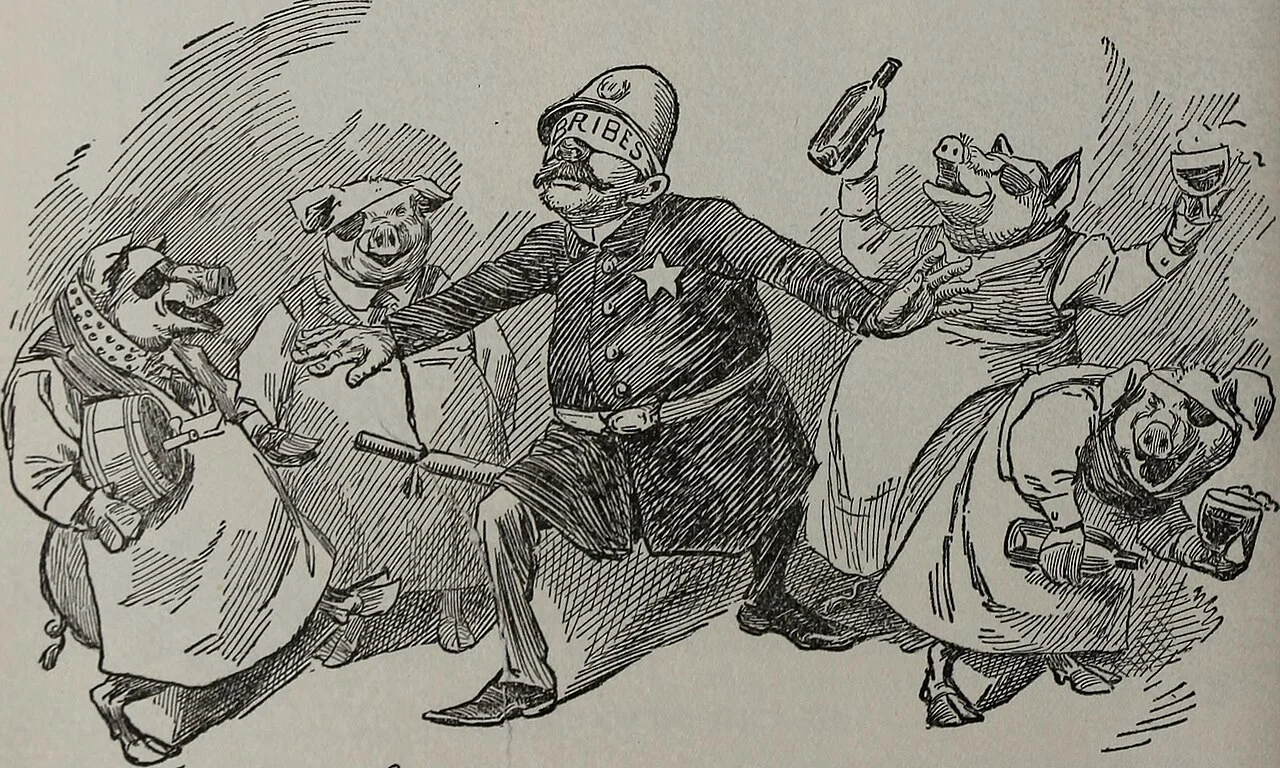
The conflict between Mchunu and Mkhwanazi highlights deeper political divisions within South Africa’s security apparatus. Mchunu, a long-time ally of President Ramaphosa, has been vocal about his commitment to reforming the police force. His suspension has been interpreted by some as a move to weaken his influence, while others see it as a necessary step to address corruption and inefficiency.
Mkhwanazi, who has led the KZN police force for several years, has been a key figure in managing security during times of unrest, including the 2021 riots that devastated parts of the province. His role has been critical in maintaining order, but the recent allegations have raised questions about his leadership and the broader challenges facing the police sector.
Market and Economic Implications
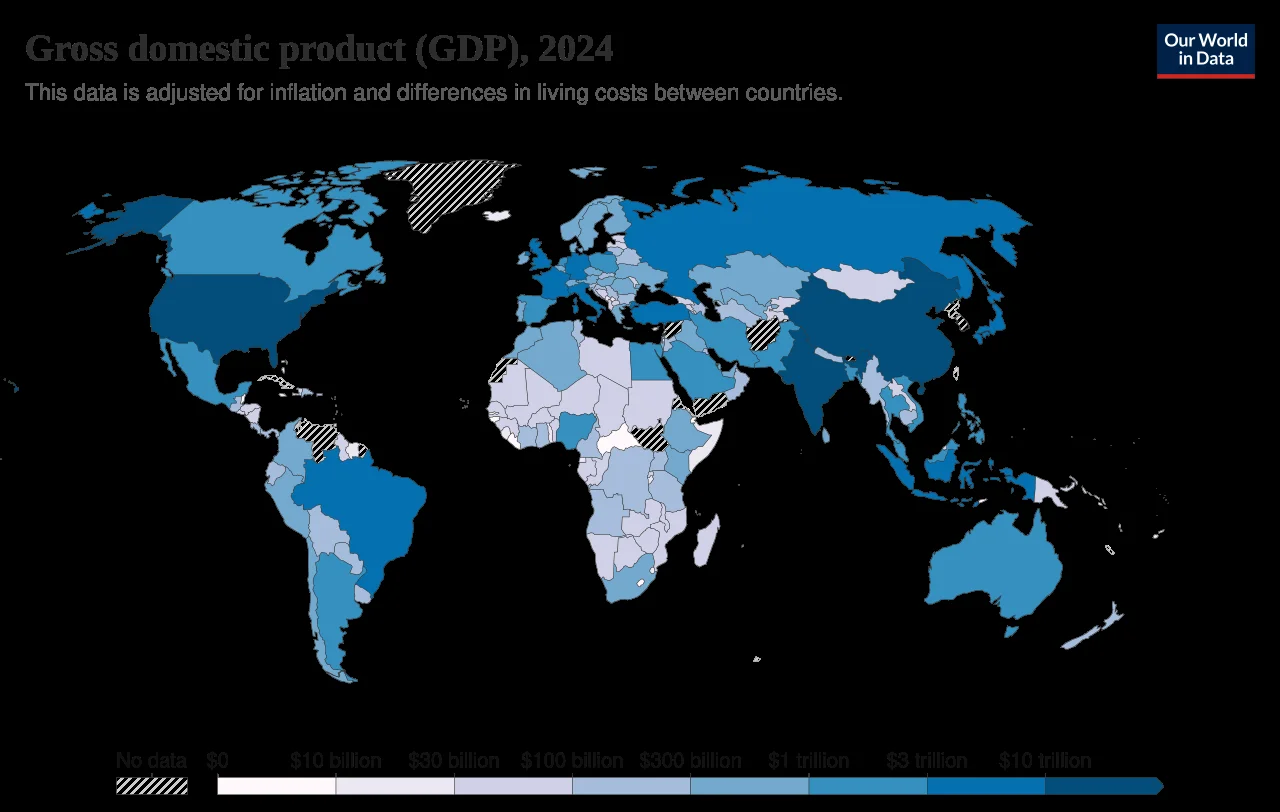
Political instability within the police force can have significant economic consequences. Investors are closely watching the situation, as uncertainty over governance and law enforcement can deter foreign investment and disrupt business operations. KZN is a major economic hub, home to key ports, industries, and trade routes, making stability in the region a priority for both local and international stakeholders.
Market analysts suggest that prolonged tensions could lead to increased volatility in the rand and affect investor confidence. The South African Reserve Bank has warned that political instability may hinder economic recovery, particularly in sectors reliant on secure and predictable conditions.
Business and Investor Perspectives
For businesses operating in KZN, the situation presents both risks and opportunities. Companies in the logistics, manufacturing, and retail sectors are closely monitoring developments, as any disruption in security could impact supply chains and consumer confidence. Some investors are already reassessing their exposure to the region, while others are looking for long-term strategies to navigate the uncertainty.
“The police force plays a crucial role in ensuring a stable business environment,” said a representative from a local investment firm. “Any perceived weakness in leadership could lead to a loss of trust among investors, which is a major concern for the economy.”
What’s Next for South Africa’s Police Sector?
The outcome of the dispute between Mchunu and Mkhwanazi will likely shape the future of South Africa’s police reforms. The government has reiterated its commitment to strengthening accountability and transparency, but the current situation underscores the challenges of implementing change in a deeply politicized environment.
As the investigation into the allegations continues, the focus will remain on how the government handles the crisis. The resolution of this conflict could set a precedent for how political and administrative tensions are managed in the future, with far-reaching implications for governance and economic stability.