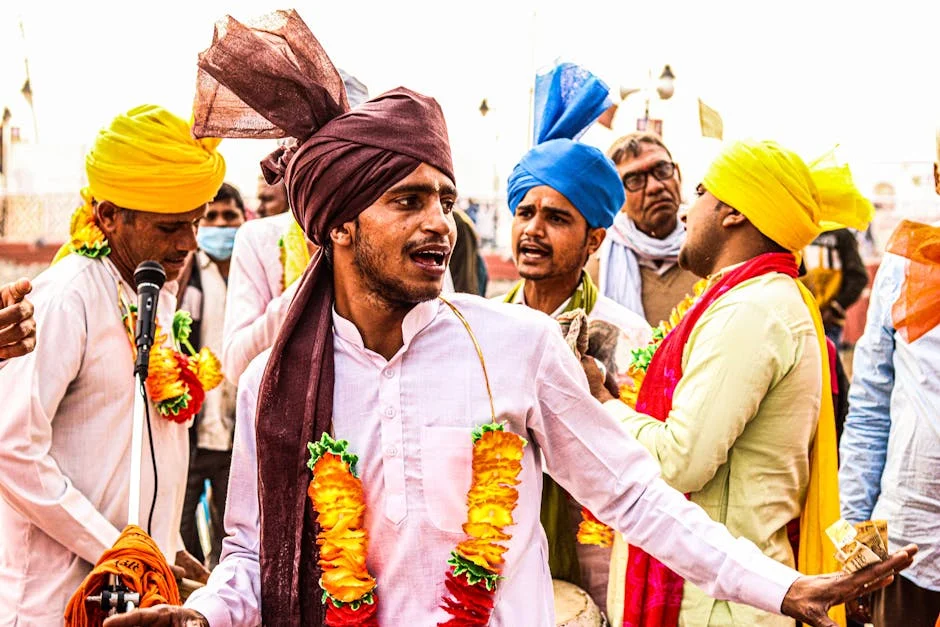
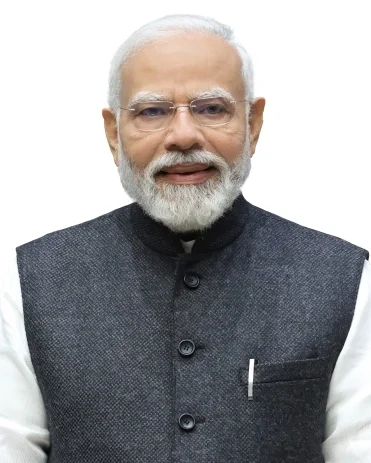
Manipur Chief Minister N. Biren Singh met with leaders of the Kuki community on Monday to address escalating tensions between the Kuki and Tangkhul Naga groups. The meeting, held in Imphal, aimed to restore peace and prevent further violence in the state. The talks come after weeks of clashes in the Churachandpur district, which have disrupted local economies and raised concerns about regional stability.
Peace Talks Aim to De-escalate Violence
The meeting included representatives from the Zo Council, the main political body representing the Kuki people in Manipur. Chief Minister Singh reiterated his government’s commitment to ensuring security and promoting dialogue between the communities. The Kuki group expressed concerns over alleged incursions by Tangkhul Naga militants, which they claim have led to the displacement of thousands of residents.
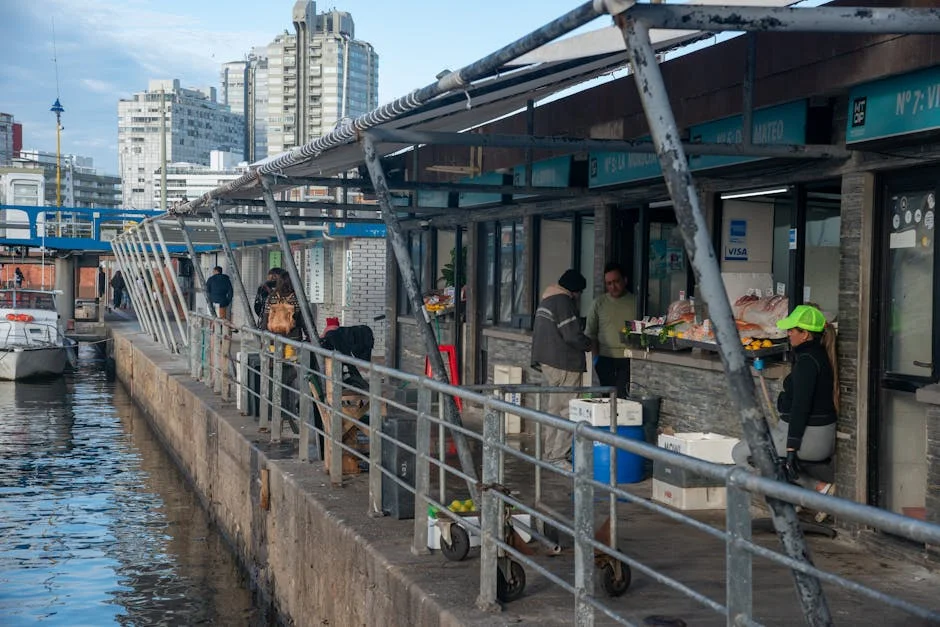
Local businesses in Churachandpur have been severely impacted by the unrest, with many shops and markets forced to close. The disruption has led to a sharp decline in trade, affecting not only local vendors but also supply chains that rely on the region’s agricultural and textile industries.
Impact on Regional Economy and Investor Confidence
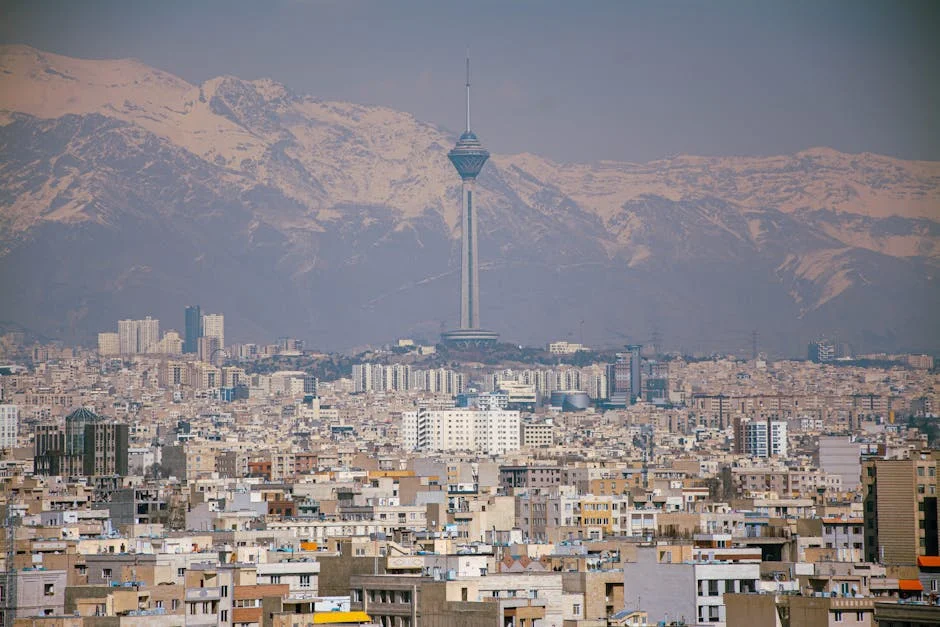
The ongoing violence has raised concerns among investors and business leaders in Manipur. The state, known for its rich biodiversity and cultural heritage, has seen a decline in tourism and agricultural exports due to the instability. Investors are now closely watching how the government handles the crisis, as prolonged conflict could deter future investments.
Analysts note that the economic consequences of such ethnic clashes are far-reaching. Disruptions in transportation, reduced consumer spending, and increased security costs are all factors that could slow down the state’s economic growth. The situation also highlights the need for stronger governance and conflict resolution mechanisms to protect economic interests.
Historical Context and Political Implications
The tensions between the Kuki and Tangkhul Naga groups are not new. Historical grievances over land rights and political representation have long fueled disputes in Manipur. The Zo Council, which represents the Kuki community, has been a key player in these conflicts, often demanding greater autonomy and recognition.
The state government has faced criticism for its handling of the situation, with some accusing it of favoring one group over another. The recent peace talks are seen as a critical step in addressing these concerns and rebuilding trust among the communities.
What to Watch Next
Investors and market analysts will be monitoring the outcome of the talks closely. If the situation stabilizes, it could lead to a recovery in local markets and renewed interest in the region’s economic potential. However, if tensions persist, the impact on trade, tourism, and investment could be long-lasting.
For businesses operating in Manipur, the current situation underscores the importance of risk management and diversification. Companies reliant on the region’s resources or workforce may need to adjust their strategies to mitigate the impact of future disruptions.
Frequently Asked Questions
What is the latest news about manipur chief minister holds peace talks amid kukitangkhul naga tensions?
Biren Singh met with leaders of the Kuki community on Monday to address escalating tensions between the Kuki and Tangkhul Naga groups.
Why does this matter for politics-governance?
The talks come after weeks of clashes in the Churachandpur district, which have disrupted local economies and raised concerns about regional stability.
What are the key facts about manipur chief minister holds peace talks amid kukitangkhul naga tensions?
Chief Minister Singh reiterated his government’s commitment to ensuring security and promoting dialogue between the communities.