The Bank has issued a warning that it may raise interest rates if rising oil prices driven by escalating tensions in Iran persist, signaling potential ripple effects across global markets and economies. The statement came as policymakers closely monitor the situation in the Middle East, where the risk of conflict has surged, threatening to disrupt supply chains and inflationary pressures.
The Bank’s decision comes amid heightened geopolitical uncertainty, with oil prices already climbing due to fears of a broader regional conflict. This has prompted central banks worldwide to reassess their monetary strategies, as rising energy costs could fuel inflation and dampen economic growth. The Bank’s stance reflects a growing concern that volatile markets may require tighter monetary policy to stabilize the economy.
Global Market Reactions
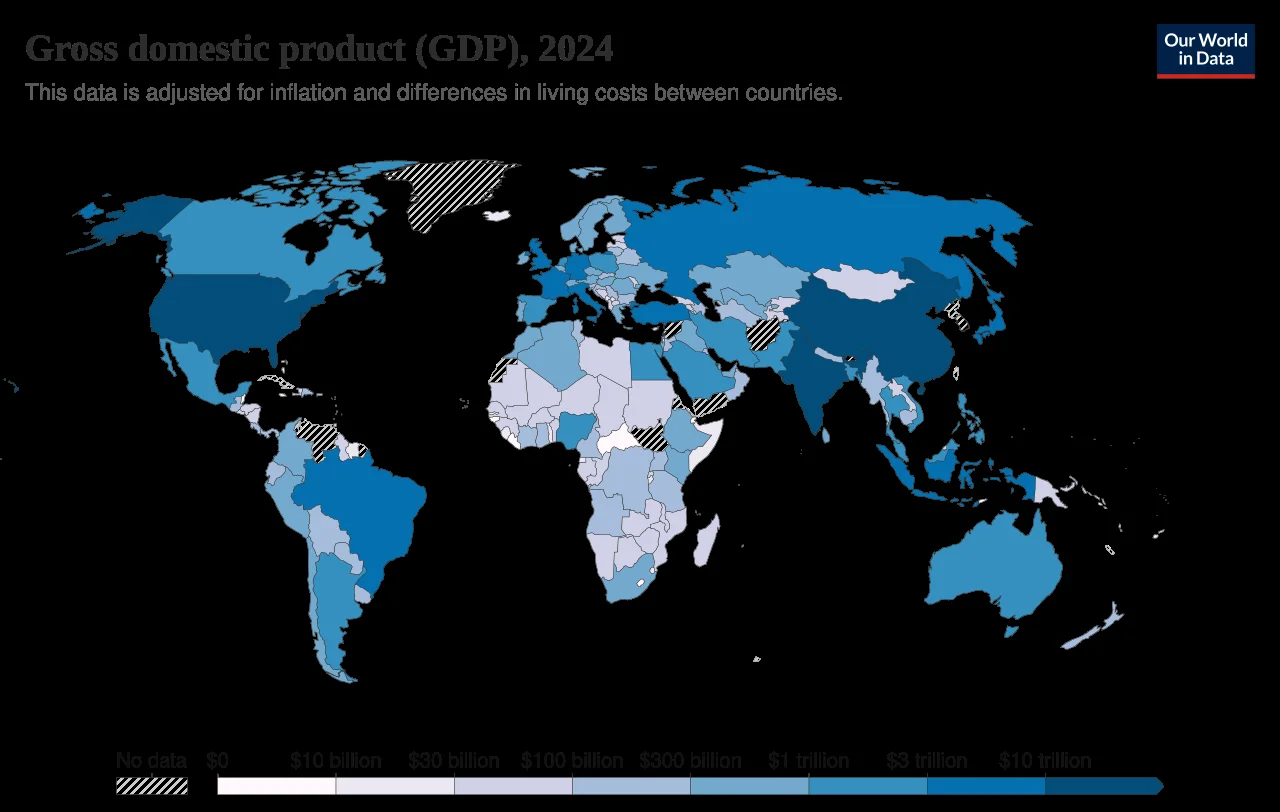
Global stock markets reacted swiftly to the Bank’s warning, with major indices experiencing volatility as investors braced for potential rate hikes. The FTSE 100 and S&P 500 both saw declines, as traders anticipated higher borrowing costs and reduced corporate profits. In Singapore, the Straits Times Index also dipped, reflecting concerns over the impact of higher interest rates on local businesses and consumer spending.
Foreign exchange markets were similarly affected, with the US dollar strengthening against other major currencies. This trend is often seen as a flight to safety amid geopolitical uncertainty. The Bank’s potential rate hike could further strengthen the dollar, making imports more expensive for Singaporean businesses and potentially affecting trade balances.
Business Implications

For businesses in Singapore, the prospect of a rate hike could mean increased borrowing costs and tighter credit conditions. Small and medium-sized enterprises (SMEs), which often rely on short-term loans, may face challenges in maintaining operations. The manufacturing and export sectors, which are sensitive to interest rate changes, could see reduced demand as higher financing costs filter through to product prices.
On the other hand, the banking sector might benefit from higher interest rates, as it could lead to increased net interest margins. However, this would depend on the extent and timing of the rate hike, as well as the overall economic environment. Businesses are advised to closely monitor the Bank’s policy decisions and adjust their financial strategies accordingly.
Investment Perspective
Investors are increasingly focusing on how central banks will respond to geopolitical risks, with a particular emphasis on the Bank’s policy direction. Fixed-income investors may seek to adjust their portfolios to account for potential rate increases, while equity investors may look for resilient sectors that can withstand higher borrowing costs.
The Bank’s warning has also sparked discussions about the broader implications of geopolitical tensions on global markets. Analysts suggest that investors should diversify their portfolios and consider hedging strategies to mitigate risks associated with oil price shocks and interest rate volatility. The focus is now on how quickly and effectively policymakers can respond to these challenges.
What to Watch Next
The coming weeks will be critical for policymakers as they assess the evolving situation in Iran and its impact on global markets. The Bank is expected to provide further guidance on its monetary policy stance, which could influence investor sentiment and market dynamics. Any significant escalation in tensions could prompt a more aggressive response from central banks worldwide.
For Singapore, the key will be how effectively the economy can adapt to potential rate hikes and energy price shocks. Businesses and investors are urged to stay informed and proactive in navigating the changing landscape. The Bank and Policymakers will remain central figures in shaping the economic outlook, with their decisions having far-reaching consequences for the region and beyond.