The Supreme Leader of Iran, Mojtaba Khamenei, has called for retaliation following the assassination of a senior information minister, sending shockwaves through regional markets and raising concerns about the stability of the country's economy. The incident, which occurred in Tehran on Tuesday, has intensified fears of escalating geopolitical tensions in the Middle East. The move comes amid a backdrop of heightened military activity and diplomatic uncertainty in the region.
The assassination of the information minister, a key figure in Iran's media and intelligence operations, has triggered a strong reaction from the country's leadership. Mojtaba Khamenei, the son of former Supreme Leader Ayatollah Khomeini, has issued a public statement demanding immediate and severe retaliation, though the exact targets remain unspecified. Analysts suggest that the statement could signal a shift in Iran's foreign policy, with potential implications for global trade and investor confidence.
Market Reactions and Investor Sentiment

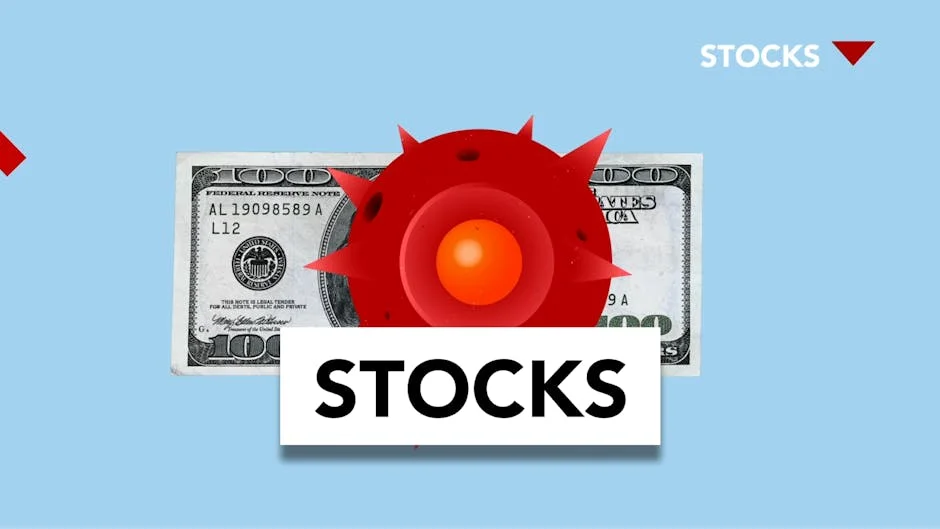
Following the statement, regional stock markets, including those in Dubai and Istanbul, experienced a sharp decline as investors braced for potential disruptions. The Dubai Financial Market fell by 2.1% in early trading, while the Istanbul Stock Exchange dropped 1.8%, reflecting growing anxiety over the possibility of military escalation. Oil prices also rose, with Brent crude hitting a two-week high of $88 per barrel, as traders anticipated supply-side risks.
Investors in Singapore and other Asian markets have also taken notice. Local fund managers noted that the situation could lead to increased volatility in global markets, particularly in sectors reliant on Middle East stability. "This is a worrying development," said one Singapore-based portfolio manager. "The uncertainty surrounding Iran's next move could lead to higher commodity prices and increased risk premiums for investors."
Business Implications for the Region

The potential for conflict has raised alarms among businesses operating in the Middle East, particularly in sectors such as energy, logistics, and finance. Multinational corporations with operations in Iran or nearby regions are reassessing their risk strategies. Some have already begun to hedge against potential disruptions, while others are considering shifting supply chains to more stable markets.
Logistics firms have also been affected. Shipping companies are rerouting vessels away from the Strait of Hormuz, a critical chokepoint for global oil trade. This has led to increased shipping costs and delays in cargo deliveries. "We are monitoring the situation closely," said a spokesperson for a major shipping firm. "Any escalation in tensions could have a direct impact on our operations and costs."
Economic Outlook and Policy Responses
Economists are warning that the situation could have long-term implications for Iran's already fragile economy. Sanctions, inflation, and currency instability have already placed significant pressure on the country's financial system. A military response could further strain its resources and deepen its economic isolation. The International Monetary Fund has urged caution, warning that any new conflict could derail recent economic reforms and lead to a deeper crisis.
Regional governments are also preparing for possible consequences. The United Arab Emirates and Saudi Arabia have both issued statements calling for de-escalation, while the European Union has reiterated its support for diplomatic solutions. In Singapore, economic analysts are closely watching the situation, as it could affect trade relations and investment flows between the region and the Middle East.
What to Watch Next
The next few days will be critical in determining the trajectory of the situation. Investors and policymakers will be closely monitoring any further statements from the Supreme Leader or other Iranian officials. Military movements in the region, as well as diplomatic efforts from international actors, will also be key indicators of how the crisis unfolds.
For Singapore investors, the situation underscores the importance of diversifying portfolios and maintaining a cautious approach to emerging market exposure. As the global economy remains sensitive to geopolitical shifts, staying informed and adaptable will be essential in navigating the potential fallout from this escalating crisis.